If you are planning to launch a tea brand, one of the first decisions you may need to make is whether to choose white label tea or private label tea.
Both models allow a business to sell tea under its own brand without owning a tea manufacturing facility. However, the level of product development, customisation and control can be very different.
For businesses in the United States, Europe and Australia, understanding the difference can help you choose a tea manufacturing model that matches your budget, timeline, product strategy and long-term brand goals.
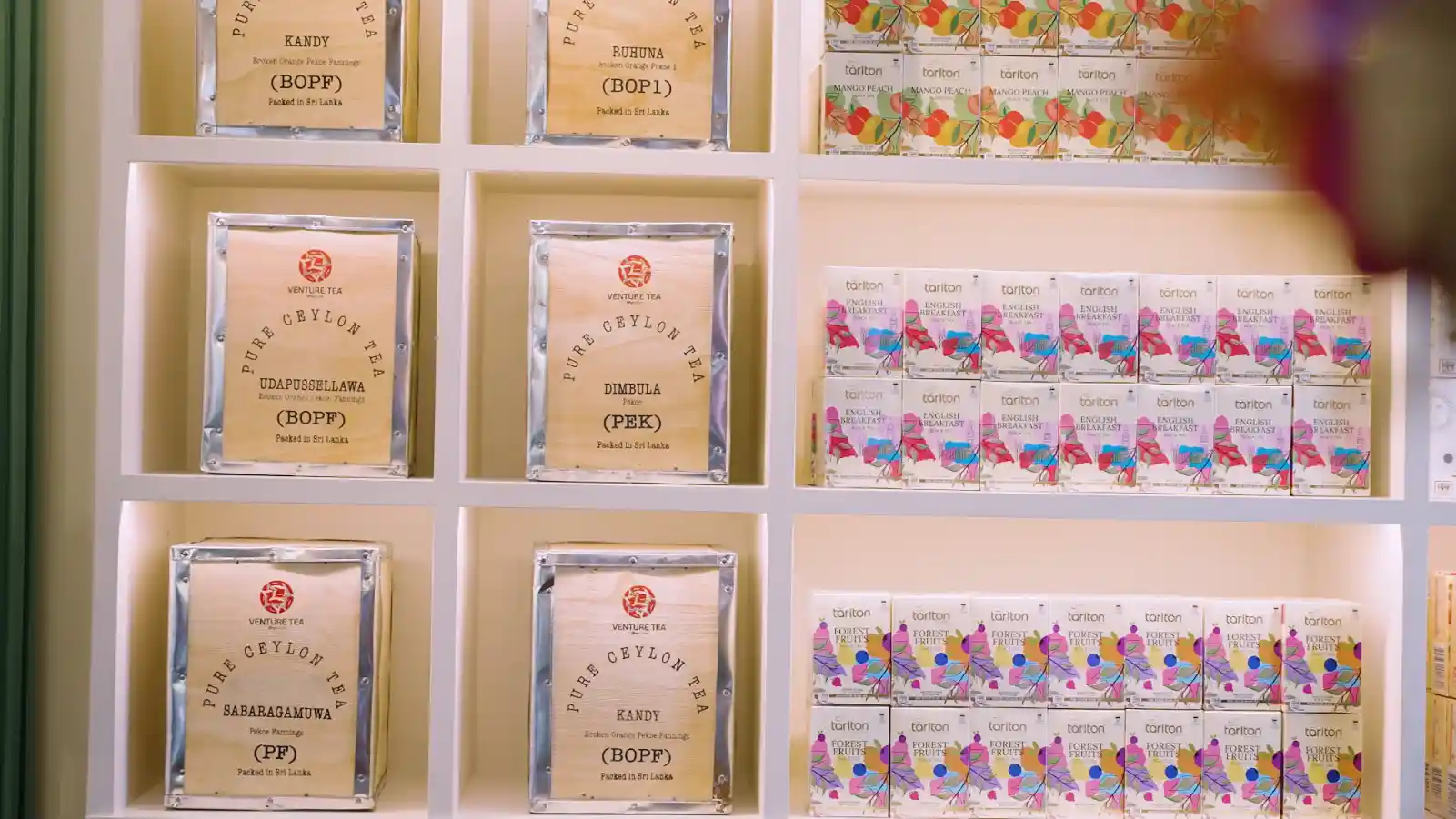
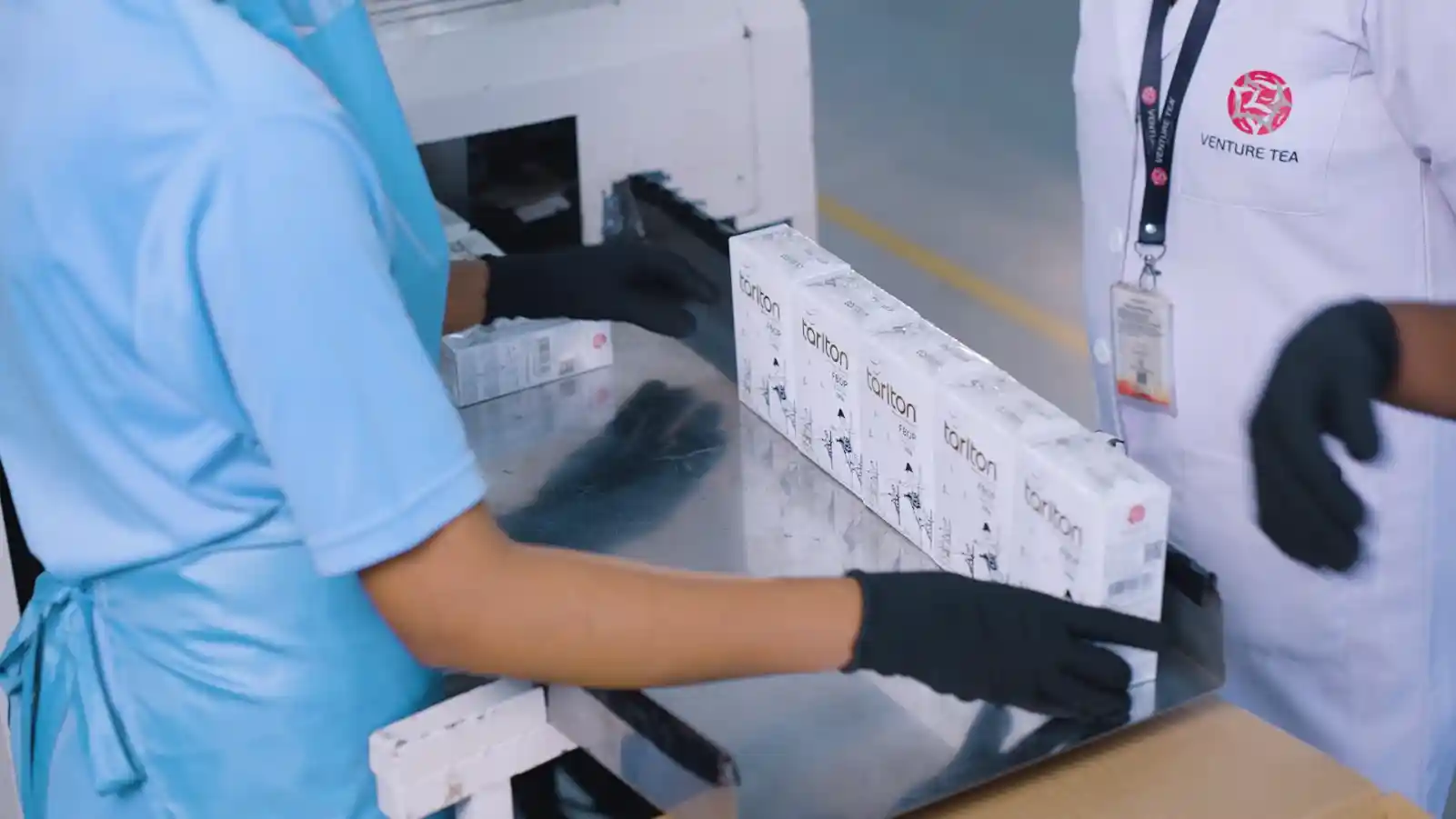
Venture Tea helps international businesses explore white label, private label and OEM tea manufacturing from Sri Lanka, providing a pathway from existing tea products to fully customised tea solutions.
What Is White Label Tea?
White label tea is an existing tea product manufactured by a tea company that can be sold under another company’s brand.
The manufacturer has already developed the tea product. Your business selects a suitable product, agrees on the required packaging and branding, and sells the finished tea under your own brand.
For example, an Australian retailer could select an existing Ceylon black tea from Venture Tea and package it under its own brand.
The underlying tea product does not need to be developed from scratch.
White Label in Simple Terms
White Label → Can I brand an existing tea product as my own?
This makes white label particularly suitable for businesses that want to launch quickly or test a new tea category without undertaking extensive product development.
What Is Private Label Tea?
Private label tea generally involves a greater degree of customisation for a specific brand.
Instead of simply selecting an existing product, the business can work with the manufacturer to develop a tea product around its requirements.
This could involve:
Tea blending
Ingredient selection
Flavour development
Product specifications
Tea format
Packaging
Brand positioning
Other manufacturing requirements
Private Label in Simple Terms
Private Label → Can you create a tea product specifically for my brand?
The exact level of customisation depends on the manufacturer’s capabilities and the project requirements.
White Label vs Private Label Tea: The Main Difference
The simplest way to understand the distinction is:
| White Label | Private Label |
|---|---|
| Existing tea product | Product developed around your requirements |
| Faster to launch | More development may be required |
| Lower product development complexity | Greater product development involvement |
| Limited customisation | Greater customisation |
| Suitable for testing the market | Suitable for differentiation |
| Brand is customised | Product and brand can be customised |
The choice depends on what you want your tea business to achieve.
When Should You Choose White Label Tea?
White label can be the right choice if your priority is speed, simplicity and getting a product to market without extensive development.
It may suit you if:
You are launching your first tea brand
If you are new to the tea industry, developing a completely new blend may add unnecessary complexity.
Starting with an established tea product can allow you to focus on branding, marketing, distribution and sales.
You want to test the market
Perhaps you are unsure whether your customers will purchase a particular tea.
White label can allow you to introduce a product, evaluate demand and gather customer feedback before investing in more extensive product development.
You want a straightforward product range
If an existing tea product already matches your requirements, there may be little reason to develop a new formulation.
You need a faster launch
Because the underlying product already exists, white label can potentially reduce development time.
This can be particularly valuable for businesses operating in competitive markets such as the US, Europe and Australia.
When Should You Choose Private Label Tea?
Private label may be more appropriate when product differentiation is important to your brand.
You may want to create a tea that has a particular flavour, ingredient combination or positioning that is not available as an existing product.
You want a unique blend
For example, your brand may want a specific combination of black tea, herbs, spices, flowers or fruit ingredients.
Private label manufacturing can provide a pathway toward developing that product.
You have a specific customer in mind
A wellness company may want a particular herbal blend.
A premium tea company may want a specific Ceylon tea profile.
A hospitality brand may want a particular tea blend designed for its customers.
In these cases, an existing white label product may not provide enough flexibility.
You want stronger product differentiation
If your tea product is substantially the same as products offered by many other brands, competing only through packaging and marketing can be difficult.
A more customised product can give your brand another point of differentiation.
White Label vs Private Label: Which Is Faster?
In most cases, white label is the faster route because the underlying product already exists.
The manufacturer does not need to start by developing a new formulation.
A typical white label process may involve:
Product selection → Packaging → Branding → Production → Export
Private label may involve additional stages:
Product brief → Ingredient selection → Formulation → Testing → Approval → Production → Packaging → Export
The actual timeline depends on the product and manufacturer’s processes.
White Label vs Private Label: Which Is More Customisable?
Private label generally provides greater customisation.
White label starts with an existing product, so your options are naturally more limited.
Private label can provide greater flexibility around:
Ingredients
Tea blends
Flavour profiles
Product format
Product positioning
Packaging
Brand requirements
If you have a very specific product concept, it is worth discussing private label or OEM manufacturing with the manufacturer rather than assuming white label will be sufficient.
Which Is More Suitable for US Tea Brands?
For a US business entering the tea market, white label can provide a relatively simple way to test a product category.
For example, a new brand could launch a range of Ceylon black teas or herbal products using established tea products.
Once the brand has established demand, it could potentially move toward private label products developed specifically around its customer base.
US brands should also ensure that their finished products meet applicable US food, labelling and import requirements.
Which Is More Suitable for European Tea Brands?
European businesses can use both white label and private label models depending on their market strategy.
White label may work well for businesses seeking established tea products with their own branding.
Private label may be more appropriate for brands seeking differentiated blends or specific product positioning.
For businesses selling across multiple European markets, product labelling, ingredients, packaging and regulatory requirements should be considered during product development rather than after manufacturing.
Which Is More Suitable for Australian Tea Brands?
Australian retailers, e-commerce companies, hospitality businesses and specialty tea brands can also use either model.
White label can be useful for businesses looking to launch established tea products quickly.
Private label can be useful for businesses seeking a more distinctive product that is developed around their brand.
The appropriate product, packaging and documentation should be established with the destination market requirements in mind.
What About OEM Tea Manufacturing?
There is another option worth considering: OEM tea manufacturing.
OEM, or Original Equipment Manufacturing, generally refers to manufacturing a product according to the customer’s specifications.
For tea businesses, this can involve a highly specific product brief covering elements such as:
Ingredients
Formulation
Tea blend
Product format
Packaging
Manufacturing specifications
In simple terms:
White Label → Choose an existing product.
Private Label → Develop a product for your brand.
OEM → Manufacture according to your specified requirements.
The terminology can vary between manufacturers, so the actual scope of work should always be confirmed before starting a project.
How Venture Tea Can Help Your Brand
One of the advantages of working with a tea manufacturer that offers multiple manufacturing models is that your business does not have to commit to the same approach forever.
Venture Tea can help businesses explore the model that best matches their requirements.
White Label Tea
If you want an existing tea product that you can sell under your own brand, Venture Tea can help you explore suitable white label options.
Private Label Tea
If you want a more customised tea product, Venture Tea can work with your requirements to explore private label manufacturing possibilities.
OEM Tea Manufacturing
If you have specific manufacturing or product requirements, Venture Tea can explore OEM solutions based on the project specifications.
Tea Sourcing and Manufacturing
Venture Tea provides access to tea manufactured in Sri Lanka, including Ceylon tea products and tea blends.
Packaging
Your branded tea can be prepared in suitable packaging formats according to the project requirements.
International Export
For companies in the United States, Europe and Australia, Venture Tea can support international tea supply from Sri Lanka.
This gives brands a potential direct manufacturing and export partner rather than requiring them to coordinate every stage of the supply chain independently.
You Do Not Have to Choose the Same Model Forever
One important point is often overlooked.
White label and private label do not have to be competing choices for the entire life of your brand.
A business can start with white label.
Once it understands its customers and identifies its best-selling products, it can develop more customised private label products.
For example:
Stage 1: Launch an existing Ceylon black tea under your brand.
Stage 2: Study customer demand and identify opportunities.
Stage 3: Develop a customised blend.
Stage 4: Expand into a broader private label tea range.
This approach can reduce the risk of investing heavily in product development before you know what your customers actually want.
Which Model Is Right for Your Brand?
Consider white label tea if:
You want to launch quickly.
You are new to the tea market.
You want to test demand.
An existing tea product meets your requirements.
You want to minimise product development complexity.
Consider private label tea if:
You want a distinctive tea product.
You require a specific blend.
You have a clear product concept.
Product differentiation is important.
You are building a long-term premium tea brand.
Consider OEM manufacturing if:
You have detailed product specifications.
You need manufacturing to your requirements.
You require a highly specific product or production arrangement.
A Practical Example
Imagine a new tea company in the United States wants to launch a premium Ceylon tea range.
The company could begin by selecting an existing Ceylon black tea through a white label programme.
The tea is packaged under the company’s brand and introduced to the US market.
After building a customer base, the company discovers that customers prefer a particular flavour profile.
The company can then work with Venture Tea to explore a more customised private label blend.
Eventually, it may develop a larger portfolio of proprietary products.
This gives the brand a potential progression from:
White Label → Market Testing → Private Label → Brand Expansion
Why Venture Tea Is a Useful Partner for International Brands
For an international company, finding a tea manufacturing partner is about more than finding tea.
You need to consider:
Can they manufacture it?
Can they supply it consistently?
Can they package it?
Can they export it?
Can they manufacture according to my requirements if my needs change?
Venture Tea is positioned to support these different requirements through tea manufacturing, sourcing, white label, private label, OEM, wholesale and export services.
For brands in the US, Europe and Australia, this creates the opportunity to work directly with a Sri Lankan tea manufacturing partner as the business develops.
White Label or Private Label: Start with Your Business Goal
The right question is not simply, “Which is better: white label or private label?”
The better question is:
“What does my brand need right now?”
If you need speed and an established product, white label may be the logical starting point.
If you need differentiation and a product developed around your brand, private label may be the better option.
If you have detailed manufacturing specifications, OEM may be the appropriate route.
The important thing is having a manufacturing partner capable of supporting the direction your business wants to take.
Build Your Tea Brand with Venture Tea
Venture Tea helps international businesses move from the idea of selling tea to actually developing a commercially viable tea product.
Whether you need an existing white label tea product, a customised private label blend or an OEM tea manufacturing solution, Venture Tea can help you explore the appropriate route.
From Ceylon tea sourcing and manufacturing to packaging and international export, the goal is to provide your company with a complete B2B tea supply solution.
For businesses in the United States, Europe and Australia, Venture Tea offers a practical route to developing branded tea products directly through a Sri Lankan tea manufacturing partner.
You bring the brand, market and business vision. Venture Tea can help provide the tea manufacturing solution behind it.