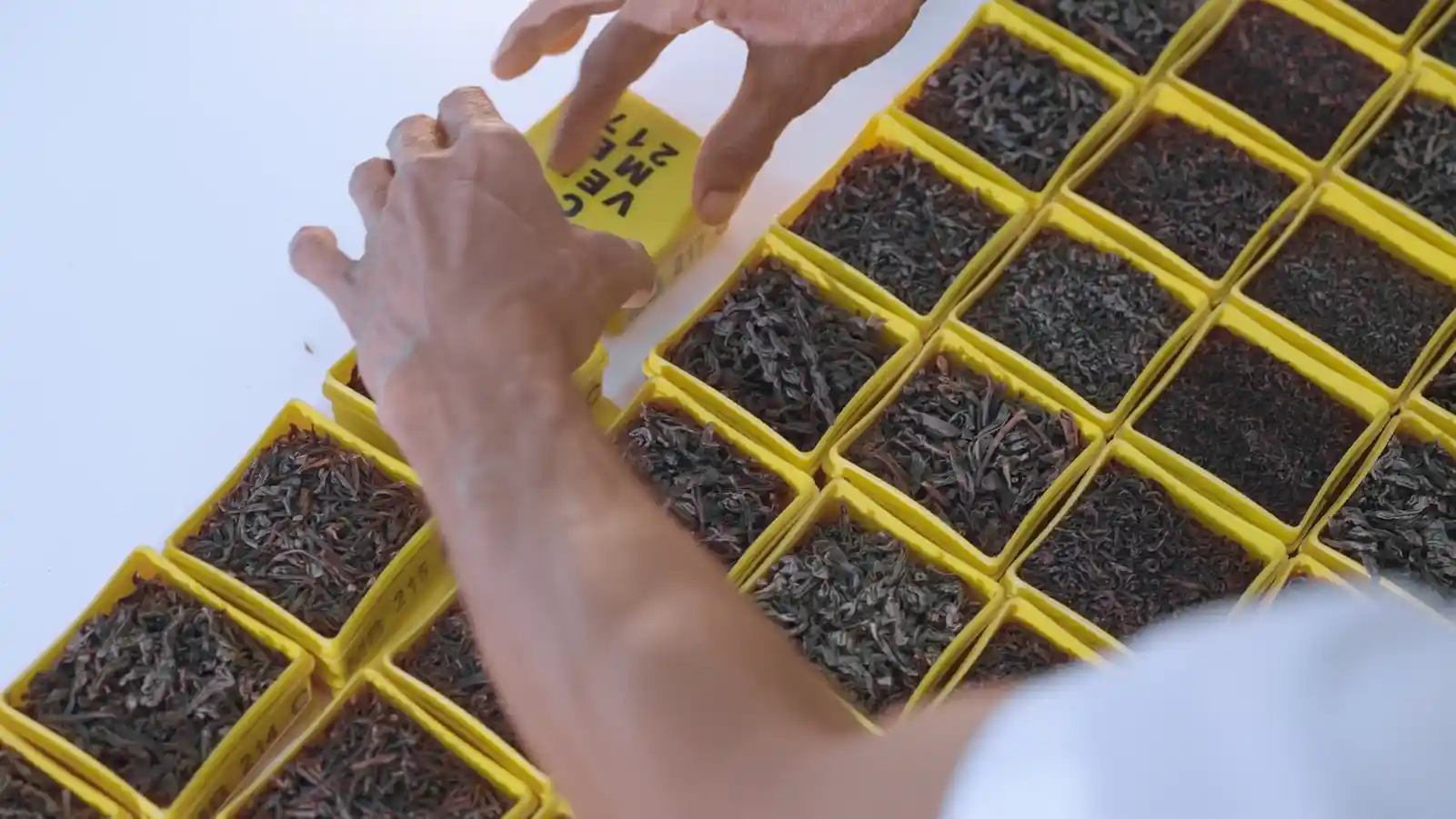
Buying tea in bulk from Sri Lanka can be straightforward when the process is handled by an experienced tea supplier and manufacturer.
For international buyers, however, bulk tea purchasing involves more than selecting a tea and placing an order. Businesses need to consider product specifications, quality, quantities, packaging, manufacturing, branding, export documentation and delivery.
A reliable tea partner should be able to guide the buyer through each stage, from the initial tea selection to the arrival of the finished shipment in the destination market.
Venture Tea supports international businesses through this process, providing bulk tea supply, wholesale tea, tea blending, manufacturing, private label, white label, OEM production, packaging and export solutions from Sri Lanka.
What Is Bulk Tea Purchasing?
Bulk tea purchasing is the process of buying tea in commercial quantities for business use, resale, distribution, further processing or branded product manufacturing.
A buyer may purchase bulk:
Ceylon black tea
Ceylon green tea
English Breakfast tea
Tea blends
Herbal tea
Wellness tea
Detox tea
Specialty tea products
The tea may be supplied as bulk loose-leaf tea, or it can become part of a finished retail product depending on the buyer’s requirements.
The purchasing process therefore depends heavily on what the buyer ultimately wants to do with the tea.
Step 1: Define Your Tea Requirements
The first step is to establish exactly what your company needs.
A buyer should consider:
Type of tea
Desired quality
Flavor profile
Leaf characteristics
Intended application
Required quantity
Target market
Packaging format
Target price range
For example, a company looking for a bulk ingredient for its own tea packing operation will have very different requirements from an ecommerce business launching a private label tea brand.
The clearer these requirements are, the easier it is for the supplier to recommend the appropriate product.
Step 2: Choose Your Tea Category
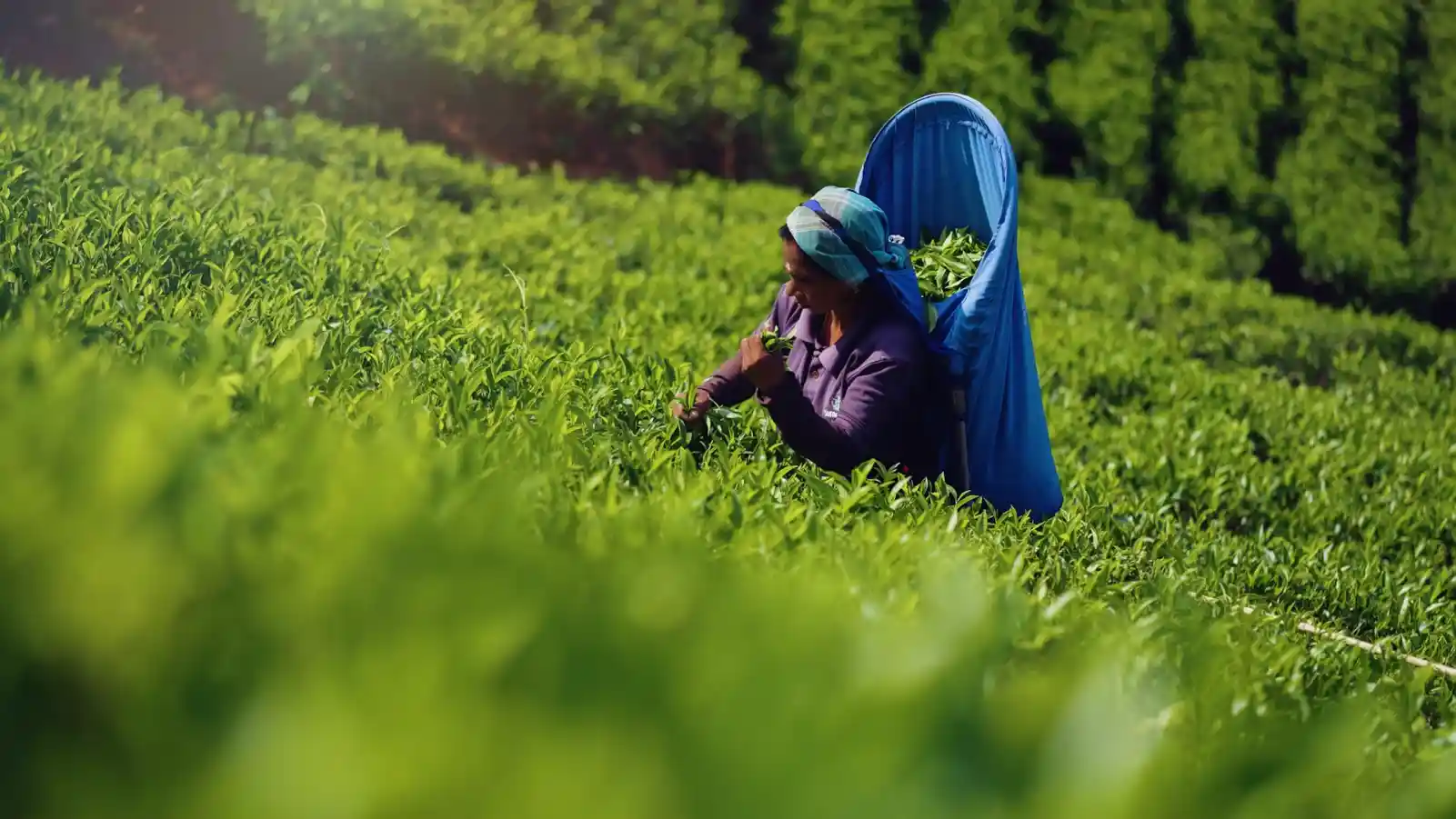
Sri Lankan tea sourcing provides access to several categories.
Ceylon Black Tea
Ceylon black tea remains one of Sri Lanka’s best-known tea products and can be sourced in different profiles and grades.
Green Tea
Green tea can provide variety for businesses developing broader tea portfolios.
English Breakfast Tea
English Breakfast blends can be developed for brands seeking a familiar black tea style.
Herbal Tea
Herbal tea gives brands the opportunity to develop products based around herbs and botanical ingredients.
Wellness Tea
Wellness tea can be developed for lifestyle-focused tea ranges.
Detox Tea
Detox tea can be developed as part of specialized wellness portfolios, subject to the applicable regulations governing formulation and marketing claims in the target market.
Step 3: Request Product Information and Samples
Once the general product requirement is established, the buyer should evaluate potential tea options.
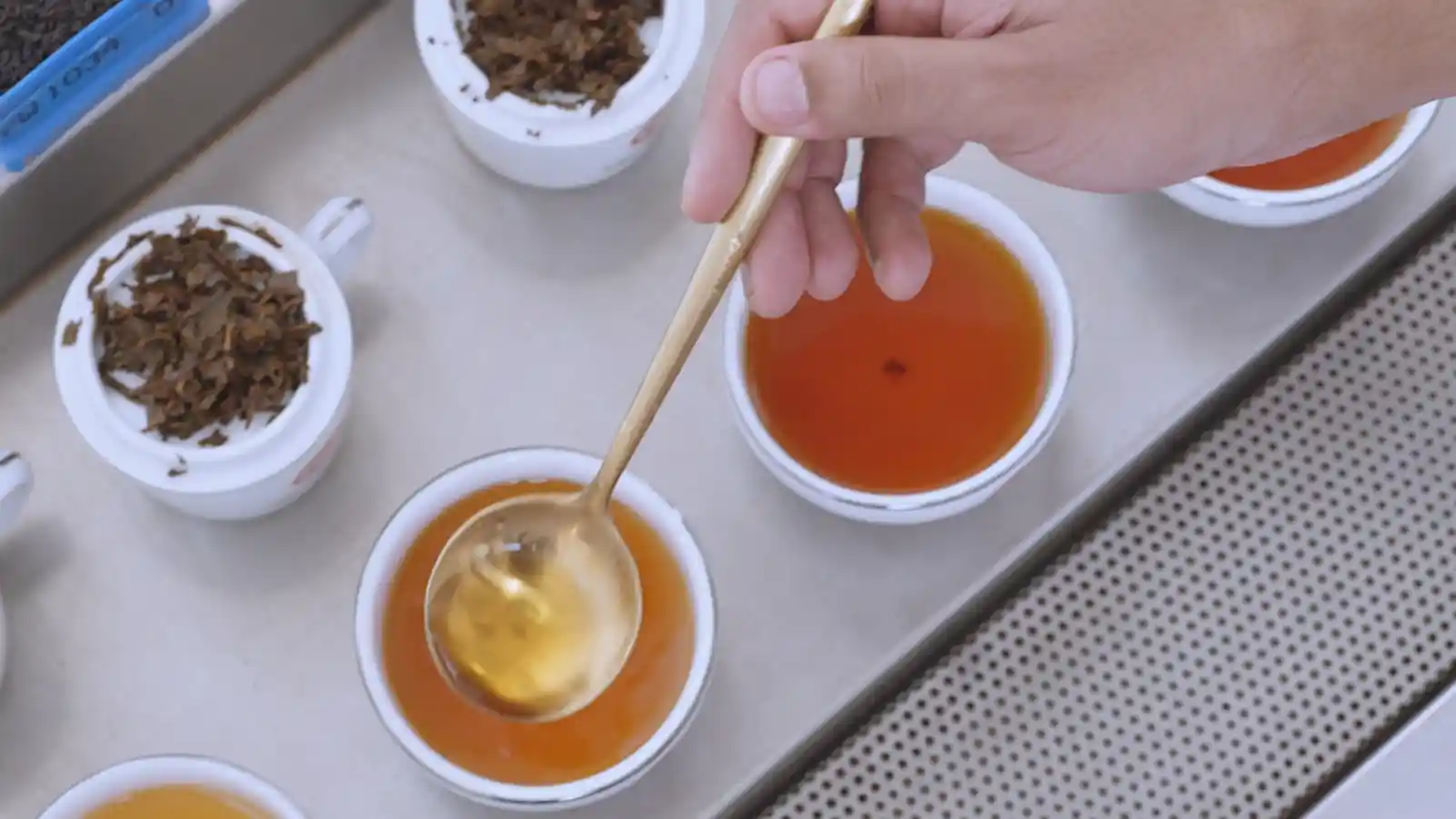
For commercial purchasing, samples can be particularly useful.
The buyer can assess:
Taste
Aroma
Strength
Liquor color
Mouthfeel
Appearance
Overall suitability
For custom blends, sampling can also be used as part of the development process.
A manufacturer can make adjustments until the product is closer to the buyer’s desired specifications.
Step 4: Establish the Product Specification
Once the buyer has selected a suitable tea, the product requirements should be clearly documented.
A commercial tea specification can cover:
Tea type
Grade
Blend composition
Ingredients
Flavor
Product format
Packaging
Quantity
Quality requirements
Labeling requirements
This is particularly important for recurring orders.
A clearly defined specification helps both the buyer and supplier understand what is expected from future production.
Step 5: Determine the Order Quantity
Bulk purchasing requires a realistic assessment of volume.
The buyer should consider both the immediate order and expected future demand.
Important considerations include:
Initial order quantity
Monthly sales
Seasonal demand
Storage capacity
Expected reorder frequency
Future growth
A company should avoid choosing an unnecessarily large order simply to obtain a lower unit cost if it cannot store or sell the product efficiently.
At the same time, underestimating demand can create supply problems later.
An experienced supplier can help buyers consider a more practical purchasing strategy.
Step 6: Decide Whether You Need Bulk or Finished Tea
At this point, the buyer should determine what form the tea needs to take.
Bulk Tea Supply
The buyer receives commercial quantities of tea and manages its own packing, branding or further processing.
This can work well for established tea companies with their own facilities.
Wholesale Finished Tea
The supplier provides tea in a commercially usable format for distribution or resale.
Private Label Tea
The manufacturer produces the tea for the buyer’s own brand.
White Label Tea
The buyer selects an existing suitable product and sells it under its own branding.
OEM Tea
The manufacturer produces the tea according to the buyer’s specific requirements.
The right model depends on how much control the business wants over the finished product.
Step 7: Develop the Blend if Required
Not every tea product needs custom blending.
However, businesses looking to differentiate their products may require a specific formulation.
Blending can be particularly relevant to:
English Breakfast tea
Specialty black tea
Herbal tea
Wellness tea
Detox tea
Flavored tea
Custom tea products
A manufacturer with blending capabilities can help turn a general product concept into a defined tea formulation.
This is an important advantage for businesses that want to create their own products rather than simply resell standard tea.
Step 8: Choose the Packaging
Once the tea product is established, the packaging requirements need to be determined.
Possible formats can include:
Bulk cartons
Bulk bags
Loose-leaf packs
Tea bags
Pouches
Retail boxes
Custom branded packaging
Foodservice formats
For private label brands, packaging becomes an important part of the product-development process.
The packaging needs to reflect the brand while also being appropriate for the product, market and distribution channel.
Step 9: Add Your Branding
If the buyer is creating its own tea brand, branding can be incorporated into the manufacturing process.
This is where private label manufacturing provides a significant advantage.
Instead of purchasing an existing branded tea and reselling it, the company can develop a finished product that carries its own identity.
The process can involve:
Tea selection → blending → manufacturing → packaging → branding
The result is a tea product that can be marketed as part of the buyer’s own product range.
Step 10: Review the Finished Product Requirements
Before production begins, the buyer and manufacturer should confirm the agreed specifications.
This may include:
Tea formulation
Ingredients
Product weight
Packaging
Label information
Branding
Quantity
Production requirements
Destination market
This stage helps minimize misunderstandings and ensures that the production is aligned with the agreed product.
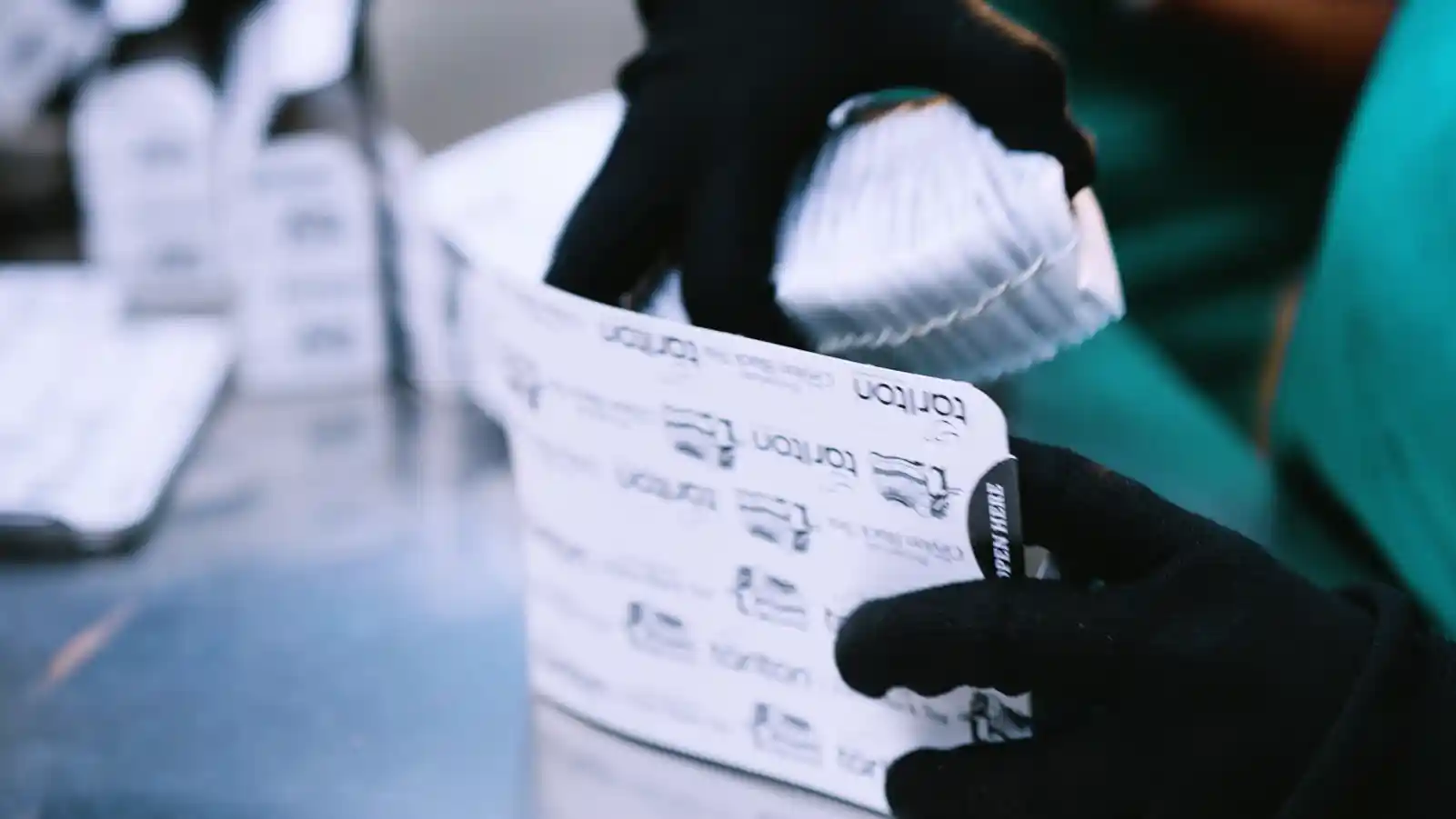
Step 11: Manufacture the Tea
Once the specifications are approved, production can begin.
Depending on the product, this may involve:
Sourcing → blending → processing → packing → labeling → finished product preparation
For a simple bulk tea order, the manufacturing process may be relatively straightforward.
For a private label herbal, wellness or detox product, there may be additional formulation, blending and packaging considerations.
This is why selecting a manufacturer with broad capabilities can be important.
Step 12: Quality Checks
Quality control is an important part of commercial tea manufacturing.
The specific quality procedures depend on the product and manufacturing arrangement.
For international buyers, consistency is particularly important because the same product may need to be reproduced across multiple orders.
The goal is to ensure that the finished product matches the agreed requirements as closely as possible.
Step 13: Prepare the Export Shipment
Once production is complete, the tea needs to be prepared for international shipment.
Export preparation can involve:
Final packaging
Shipping arrangements
Commercial documentation
Product documentation
Export documentation
Destination information
Shipment coordination
The exact requirements vary depending on the destination country, product and shipping arrangement.
International buyers should therefore communicate their destination market at the beginning of the project.
Step 14: International Delivery
The final stage is getting the tea from Sri Lanka to the buyer’s destination.
Shipping arrangements depend on factors such as:
Destination
Order volume
Delivery requirements
Shipping method
Timing
Commercial terms
An experienced tea exporter can help coordinate the process so that the buyer does not have to manage every stage independently.
This is where the difference between a simple tea supplier and an integrated tea manufacturing and export partner becomes clear.
How Venture Tea Supports the Entire Process
Venture Tea can support international buyers across multiple stages of the tea supply chain.
The process can look like:
Tea selection
↓
Sampling and product development
↓
Blending and manufacturing
↓
Packaging
↓
Private label / white label / OEM
↓
Quality and production preparation
↓
Export
↓
International delivery
This allows businesses to work with one tea partner rather than coordinating separate companies for sourcing, blending, manufacturing, packaging and export.
Bulk Herbal, Wellness and Detox Tea Purchasing
The same purchasing process can be used for specialized tea categories.
Herbal Tea
A business can select or develop an herbal tea product based on its desired ingredients, flavor profile and target customer.
Wellness Tea
A wellness tea product can be developed as part of a lifestyle-oriented product range.
Detox Tea
A detox tea product can be developed for specialized wellness markets, with the formulation, labeling and claims aligned with the requirements of the destination market.
These categories can provide opportunities for businesses looking to expand beyond conventional black and green tea.
Bulk Tea Purchasing vs Building Your Own Tea Brand
One of the biggest advantages of working with a manufacturer is that bulk purchasing does not have to remain a commodity transaction.
A business can start by purchasing:
Bulk Ceylon tea
and eventually develop:
Custom tea blends
then:
Private label tea products
and eventually:
A complete branded tea portfolio
The same progression can apply to herbal, wellness and detox products.
This allows businesses to grow their product offering without necessarily establishing their own tea manufacturing facility.
Why Choose Venture Tea?
Venture Tea is positioned to serve international businesses that need more than a basic bulk tea supplier.
The company can support different commercial models, including:
Bulk tea supply
Wholesale tea
Tea blending
Tea manufacturing
Private label tea
White label tea
OEM tea manufacturing
Custom packaging
International tea export
This makes it possible to adapt the supply relationship to the buyer’s actual business model.
For a company that only needs bulk Ceylon tea, Venture Tea can provide a bulk supply solution.
For a company launching its own tea brand, Venture Tea can support the broader private label manufacturing process.
For a company with its own product specifications, OEM manufacturing can provide a more customized approach.
Venture Tea for International Private Label Tea Brands
For businesses looking to establish their own tea products, Venture Tea can serve as a private label tea manufacturing partner in Asia.
The advantage is that the buyer does not necessarily need to coordinate separate suppliers for:
Tea sourcing
Blending
Manufacturing
Packaging
Branding
Export
Instead, these stages can be developed through one manufacturing relationship.
That can simplify procurement while providing a clearer path from product concept to finished tea.
How Your Company Can Get Started
International buyers can begin by providing their basic requirements.
These may include:
Tea type
Product concept
Approximate quantity
Target country
Preferred packaging
Quality requirements
Branding requirements
Whether custom blending is required
Whether the product will be private label, white label or OEM
From there, Venture Tea can help determine the most suitable supply and manufacturing approach.
The process does not have to begin with a fully developed product.
You can approach with a simple requirement such as:
“We need bulk Ceylon black tea.”
Or a broader objective:
“We want to launch our own herbal tea brand.”
The manufacturing and supply model can then be built around that requirement.
From Tea Selection to International Delivery
Bulk tea purchasing is most effective when every stage is considered from the beginning.
The buyer needs the right tea.
The supplier needs to maintain the agreed specifications.
The manufacturer needs to produce consistently.
The packaging needs to protect and present the product appropriately.
And the exporter needs to coordinate the international shipment.
Venture Tea brings these capabilities together for international buyers sourcing from Sri Lanka.
Whether you need bulk Ceylon tea, wholesale tea, herbal tea, wellness tea, detox tea, private label tea, white label tea or OEM tea manufacturing, Venture Tea can help your company move from tea selection to a finished product and international delivery.
For businesses that want more than a one-time shipment, this creates an opportunity to establish a long-term tea supply and manufacturing partnership in Asia.