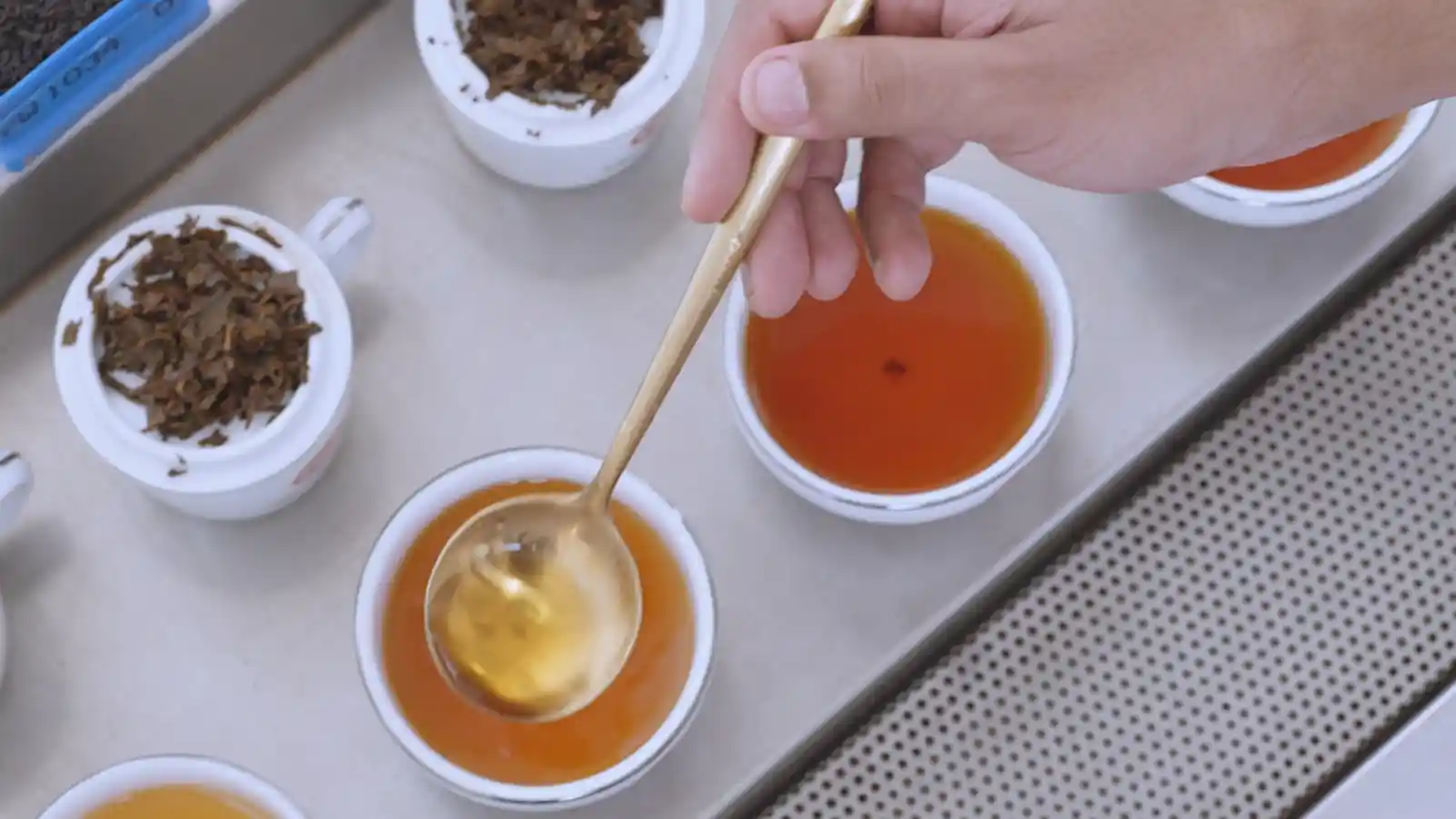
Herbal tea has become an important product category for brands looking to offer consumers alternatives to traditional black and green tea. From botanical infusions to wellness-oriented blends, herbal products can provide opportunities across retail, e-commerce, hospitality and specialty food markets.
For businesses in the United States, Europe and Australia, launching an herbal tea product does not necessarily require developing a formulation or building a manufacturing facility from the beginning.
White label herbal tea allows a business to select an existing herbal tea product from a manufacturer and sell it under its own brand.
This can provide a practical route for new and established companies that want to enter the herbal tea category with a professionally manufactured product.
Venture Tea helps international businesses explore white label herbal tea, private label herbal tea and OEM tea manufacturing from Sri Lanka, together with packaging, wholesale supply and international export.
What Is White Label Herbal Tea?
White label herbal tea is an existing herbal tea or botanical infusion manufactured by a tea company that can be sold under another company’s brand.
The underlying product has already been developed by the manufacturer.
Rather than creating a new formulation, the business selects a suitable product and develops its own:
Brand
Product name
Packaging
Pack size
Retail presentation
Marketing identity
The finished product is then sold as part of the company’s own tea range.
In simple terms:
White Label Herbal Tea → Choose an existing herbal product and make it your branded product.
Why Is White Label Herbal Tea Attractive to Brands?
Creating an herbal tea from scratch can involve considerably more than simply mixing a few botanicals.
The manufacturer may need to consider:
Ingredient selection
Ingredient quality
Blend proportions
Flavour
Aroma
Product consistency
Manufacturing processes
Packaging
Shelf-life considerations
Market requirements
For a new business, taking responsibility for every one of these areas can create unnecessary complexity.
White label allows the brand to begin with an established product.
This can make it particularly useful for businesses that want to focus on branding, marketing, distribution and customer acquisition.
Who Uses White Label Herbal Tea?
White label herbal tea can be suitable for many types of businesses.
New Tea Brands
Entrepreneurs can use existing herbal products to launch their first tea range without developing every formulation from scratch.
Wellness Brands
Wellness and lifestyle companies can add herbal tea products to an existing range of consumer products.
E-Commerce Businesses
Online retailers can create branded herbal tea products and sell them directly to their customers.
Food and Beverage Companies
Existing food companies can expand their portfolios by introducing herbal tea products.
Retailers
Retail businesses can create their own branded herbal tea ranges instead of relying entirely on third-party brands.
Hotels, Cafés and Restaurants
Hospitality businesses can offer branded herbal tea as part of their customer experience or retail offering.
Gift Businesses
Herbal tea can be incorporated into branded gift boxes, seasonal collections and corporate gifting products.
What Types of Herbal Tea Can Be White Labelled?
The exact range depends on the manufacturer’s existing products and capabilities.
Potential categories can include herbal and botanical infusions made with ingredients such as:
Lemongrass
Ginger
Cinnamon
Mint
Hibiscus
Chamomile
Turmeric
Fruit ingredients
Botanical ingredients
Spice-based ingredients
The important point is that not every combination should automatically be treated as an available white label product.
If your preferred formulation already exists, it may be suitable for white label manufacturing.
If you want to create a new combination, private label or OEM development may be more appropriate.
White Label Herbal Tea vs Private Label Herbal Tea
The difference is particularly important in the herbal tea category.
White Label Herbal Tea
An existing herbal product is selected and branded for your company.
Your main control:
Branding, packaging and market presentation.
Private Label Herbal Tea
A product is developed more specifically around your brand requirements.
Your potential control:
Ingredients, blend concept, flavour profile, product positioning and other specifications.
OEM Herbal Tea
The manufacturer produces the product according to detailed customer specifications.
Your focus:
Providing the required product and manufacturing requirements.
The exact terminology varies between manufacturers, so the scope of each project should be confirmed before production.
Can White Label Herbal Tea Be Customised?
Yes, but the type of customisation matters.
You may be able to customise:
Brand name
Logo
Packaging
Product name
Pack size
Retail presentation
Product positioning
However, changing the actual formulation can take the product beyond standard white label manufacturing.
For example, if you want to change the amount of ginger, introduce a new botanical or create a completely new flavour profile, you may need a private label development process.
This is why it is useful to discuss your complete product requirements with the manufacturer before deciding which manufacturing model to use.
Herbal Tea for the US Market
The United States provides opportunities for herbal tea across e-commerce, wellness, specialty food, retail and hospitality.
A US brand could potentially develop a white label herbal tea range around established botanical products and sell them through its own distribution channels.
However, herbal products require careful attention to product claims and labelling.
A tea containing an ingredient associated with a traditional wellness use should not automatically be marketed as treating, preventing or curing a medical condition.
Product descriptions, ingredient information and marketing claims should be developed with the applicable US requirements in mind.
Herbal Tea for European Markets
European consumers have access to a wide range of herbal infusions and botanical tea products.
This creates opportunities for brands in:
Specialty tea
Natural products
Wellness
Organic food
Lifestyle retail
E-commerce
Hospitality
For businesses selling across Europe, requirements can differ depending on the country and product.
Ingredient declarations, packaging, food information and marketing claims should therefore be reviewed for the relevant market before production.
Herbal Tea for the Australian Market
Australia is another attractive market for herbal and botanical tea products.
Brands can use white label herbal tea to develop products for:
Retail
E-commerce
Wellness
Hospitality
Specialty food
Gifting
A company can begin with an existing herbal product and build a distinctive brand around it without establishing its own manufacturing operation.
As with the US and European markets, the finished product needs to meet applicable Australian requirements, particularly around ingredients, food information and marketing claims.
Why Herbal Tea Requires the Right Manufacturer
Herbal tea manufacturing is not simply about combining ingredients.
The manufacturer needs to manage the product consistently from batch to batch.
Important considerations can include:
Ingredient sourcing
Ingredient specifications
Blend consistency
Manufacturing controls
Product quality
Packaging
Storage
Finished-product requirements
For a growing brand, consistency is particularly important.
Customers expect the product they buy today to taste and perform similarly to the product they purchased previously.
How Venture Tea Can Help with White Label Herbal Tea
Venture Tea can help businesses explore existing herbal and botanical tea products that may be suitable for their brands.
The process can begin with understanding:
Your target market
Product category
Desired tea format
Brand positioning
Packaging requirements
Commercial quantity
Destination country
From there, suitable products and manufacturing options can be explored.
If an existing herbal product fits your requirements, white label may be the simplest route.
If it does not, Venture Tea can explore whether a private label or OEM solution is more appropriate.
Creating a Ready-to-Brand Herbal Tea Product
A white label herbal tea project can generally follow a straightforward process.
Step 1: Define Your Brand
Determine who you are selling to and what type of herbal tea fits your brand.
Step 2: Select the Product
Choose an existing herbal or botanical product that fits your requirements.
Step 3: Confirm Specifications
Establish the ingredients, product format, packaging and commercial requirements.
Step 4: Develop Your Branding
Create packaging and product presentation around your own brand.
Step 5: Confirm Market Requirements
Make sure the finished product is appropriate for the country where it will be sold.
Step 6: Manufacture
The tea manufacturer produces the agreed product.
Step 7: Package
The herbal tea is prepared in the agreed branded packaging.
Step 8: Export
For international customers, the finished products can be prepared for export from Sri Lanka.
Step 9: Launch
Your business receives the finished branded product and distributes it through its chosen sales channels.
White Label Herbal Tea for New Brands
For a new tea brand, the biggest advantage of white label herbal tea can be reduced complexity.
You do not need to immediately become an expert in:
Botanical formulation
Tea blending
Manufacturing
Packaging production
Factory operations
Instead, you can work with an established manufacturing partner while concentrating on:
Brand development
Website and e-commerce
Marketing
Customer acquisition
Retail relationships
Distribution
This allows the business to invest its resources where they may have the greatest commercial impact.
White Label Herbal Tea for Established Brands
White label can also be useful for companies that already have a successful product range.
For example, an existing food or wellness brand may want to add herbal tea without developing a completely new manufacturing operation.
An established brand can use white label products to expand its range and test customer demand.
If one product becomes successful, the company can later invest in a more customised private label formulation.
White Label Can Be the First Step Toward a Custom Tea Range
Your first herbal tea product does not need to be your final product.
A brand can potentially follow a progression such as:
White Label Herbal Tea
→ Launch the product
→ Study customer demand
→ Identify successful flavours and categories
→ Develop customised products
→ Move into private label
→ Develop more specific OEM products
This can be a sensible strategy because it allows product development investment to follow demonstrated market demand.
Herbal Tea and Wellness Claims
This area deserves particular attention.
Consumers often associate herbal ingredients with health and wellness.
However, a tea brand should not assume that traditional uses of an herb automatically allow medical or therapeutic claims on packaging or advertising.
For example, saying that a tea contains ginger is a factual product statement.
Claiming that the tea treats a medical condition is a much more significant regulatory and marketing issue.
Brands targeting the US, Europe or Australia should therefore review their intended claims and product presentation against the applicable regulations before launching.
This is another reason why product development should involve careful communication between the brand owner and manufacturing partner.
How Venture Tea Can Serve Your Herbal Tea Brand
Venture Tea can support different levels of herbal tea manufacturing depending on what your company needs.
Existing Herbal Product
Choose an established product and develop it under your own brand through white label manufacturing.
Custom Herbal Blend
If you require a particular combination of ingredients, explore private label development.
Specific Product Requirements
If you have detailed specifications or an existing formulation, explore OEM manufacturing.
Commercial Supply
If you require recurring quantities, Venture Tea can explore wholesale supply arrangements.
International Delivery
If your business is located in the United States, Europe or Australia, Venture Tea can support international supply from Sri Lanka.
This creates a potential end-to-end relationship covering:
Product Selection → Manufacturing → Packaging → Branding → Export
Why Choose Venture Tea?
For an international brand, the value of a tea manufacturing partner is not simply the ability to produce one batch.
You need to consider whether the manufacturer can support your brand as it develops.
Venture Tea provides access to a broader range of B2B tea services, including:
Ceylon tea sourcing
Tea manufacturing
Herbal tea manufacturing
Tea blending
White label tea
Private label tea
OEM tea manufacturing
Tea packaging
Wholesale supply
International export
This means a company can begin with a ready-to-brand herbal tea and potentially move into more customised products later.
Build Your Herbal Tea Brand with Venture Tea
White label herbal tea can provide an accessible starting point for businesses that want to enter the herbal tea market without developing their own manufacturing operation.
You can select an existing product, create your own branding and packaging, manufacture the finished tea and supply it to your target market.
If your requirements become more specific, you do not have to abandon the manufacturing relationship.
You can explore private label or OEM manufacturing for more customised products.
For brands in the United States, Europe and Australia, Venture Tea provides an opportunity to source and manufacture tea products from Sri Lanka while building your own customer-facing brand.
You bring the brand concept and target market. Venture Tea can help you explore the tea product, manufacturing and supply solution behind it.
Whether you are launching your first herbal tea product or expanding an established portfolio, Venture Tea can help you explore the right path from ready-to-brand herbal tea to a complete branded product range.