Tea manufacturing in Sri Lanka combines traditional tea expertise with modern production, blending and packaging processes. For international tea buyers, understanding how tea moves from freshly harvested leaves to a finished commercial product helps explain what to look for when choosing a tea manufacturer in Sri Lanka.
The journey can involve several stages, from selecting and processing tea leaves to blending, packing and preparing the finished product for local or international markets. For brands, wholesalers and distributors, the final manufacturing process can also include private label, white label or OEM requirements.
How Is Tea Manufactured in Sri Lanka?
The tea manufacturing journey begins with the tea leaf and ends with a finished tea product ready for sale.
While the exact process varies according to the type of tea being produced, the overall journey can include:
- Tea cultivation and harvesting
- Withering
- Rolling or processing
- Oxidation
- Drying and firing
- Grading and sorting
- Tea selection and blending
- Quality control
- Packing
- Export preparation
Each stage influences the characteristics, consistency and quality of the final tea.
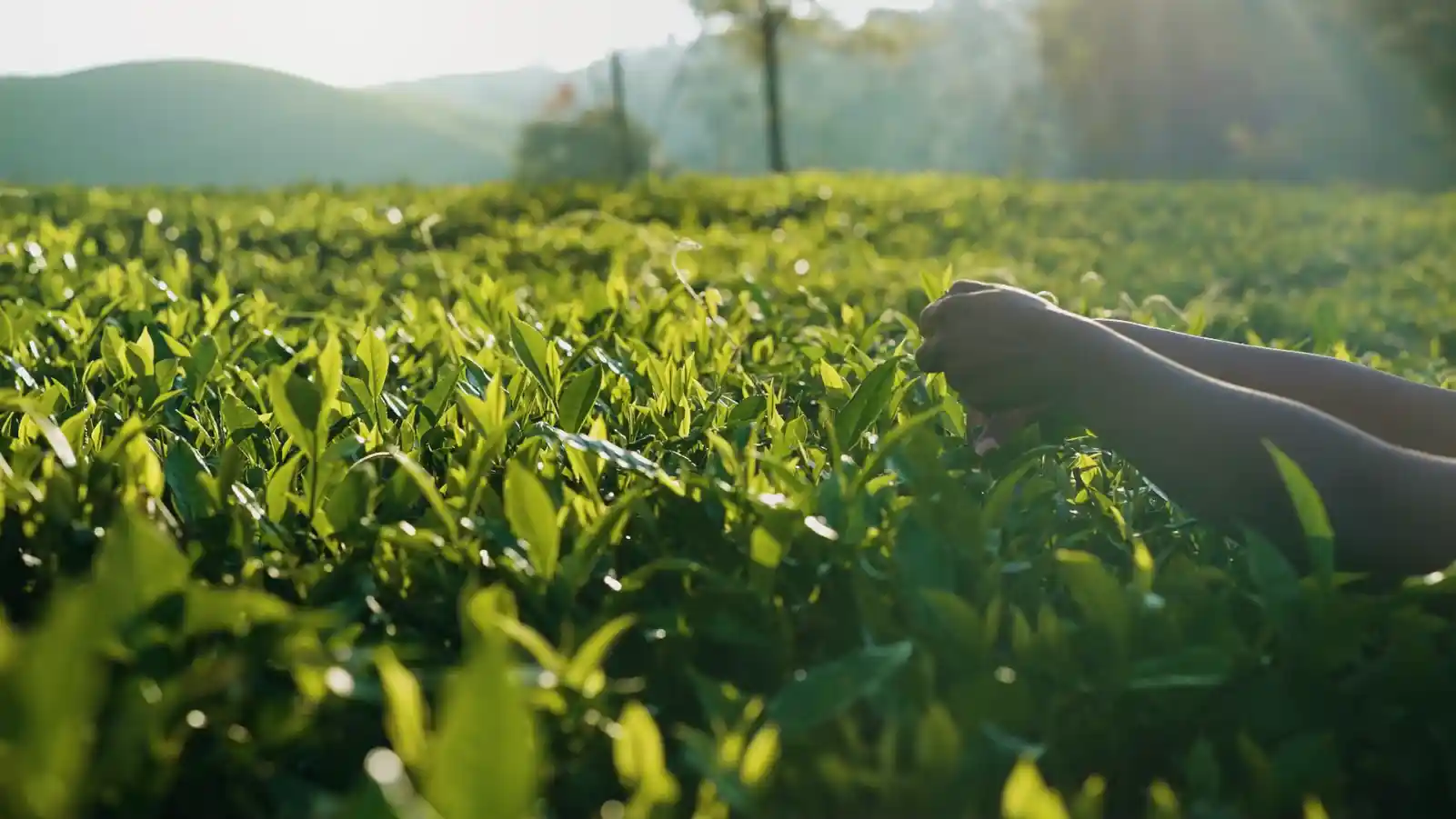
1. Tea Leaves Are Grown and Harvested
Sri Lanka’s tea industry is known worldwide for Ceylon Tea, produced across different tea-growing regions of the country.
The growing environment, elevation, climate and local conditions can influence the character of the tea. Tea leaves are carefully harvested before being transported for processing.
For tea buyers, this agricultural origin is an important part of the product’s identity, particularly when sourcing Ceylon Tea for international markets.
2. The Leaves Are Withered
After harvesting, the fresh tea leaves contain a high level of moisture. Withering reduces this moisture and prepares the leaves for the next stages of manufacturing.
The duration and conditions of withering can affect the physical characteristics of the leaf and its suitability for further processing.
This is one of the first stages where careful control becomes important to achieving a consistent finished product.
3. The Tea Leaves Are Processed
The leaves are then processed according to the type of tea being produced.
For black tea, the leaves are typically rolled or otherwise mechanically processed to break down the leaf structure and encourage the chemical reactions required for oxidation.
The way tea is processed contributes to the eventual appearance, aroma, flavour and strength of the finished tea.
4. Oxidation Develops the Tea’s Character
Oxidation is a particularly important stage in black tea manufacturing.
During oxidation, compounds within the tea leaf react with oxygen, changing the colour and contributing to the characteristic flavour and aroma associated with black tea.
The level and control of oxidation help determine the final characteristics of the tea.
Different tea types require different processing approaches, so manufacturers need to understand the requirements of the specific product being produced.
5. Drying Stops the Oxidation Process
Once the desired level of oxidation has been reached, the tea is dried.
Drying reduces the moisture content and helps stabilise the processed tea so that it can be stored, transported and subsequently packed.
At this stage, the tea begins to take on the characteristics of the finished processed leaf.
6. Tea Is Graded and Sorted
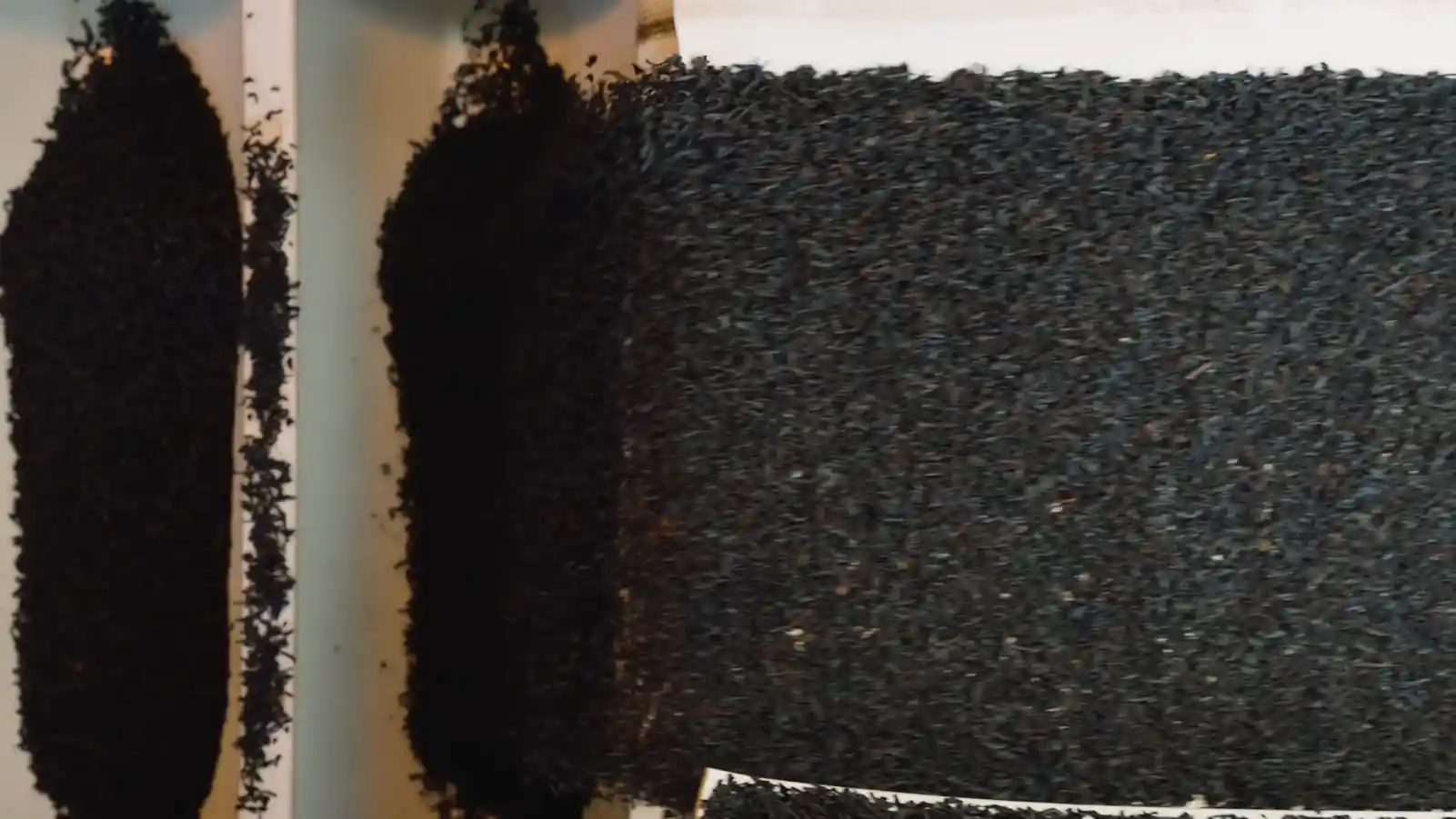
Processed tea can then be graded and sorted according to factors such as leaf size and characteristics.
Grading helps manufacturers and buyers identify suitable tea for different applications.
A tea intended for loose-leaf retail packaging may have different requirements from tea intended for tea bags or a particular blend.
For commercial buyers, understanding these differences is important when specifying the tea product they want manufactured.
From Processed Tea to a Finished Product
Manufacturing does not necessarily end once the tea has been processed and graded.
For many commercial tea brands, the next stage is selecting the right teas and developing the final product.
This is where the role of a tea manufacturer and supplier becomes particularly important.
7. Tea Selection and Blending
Tea blending involves combining different teas or other approved ingredients to achieve a specific product profile.
For example, a manufacturer may develop blends based on requirements for:
- Flavour
- Strength
- Aroma
- Colour
- Appearance
- Target market
- Brewing characteristics
- Price positioning
Blending can therefore transform individual tea components into a consistent commercial product.
For brands developing their own products, this stage may involve working with the manufacturer to establish a specific blend.
8. Quality Control
Quality control takes place throughout the manufacturing process rather than only at the end.
Manufacturers need to monitor the raw materials, processing conditions, blend specifications and finished products to maintain consistency.
For an international tea buyer, this is particularly important because customers expect the same product experience from one purchase to the next.
A reliable tea manufacturing partner in Sri Lanka should therefore have processes in place to maintain product specifications across production runs.
9. Tea Is Packed for the Target Market
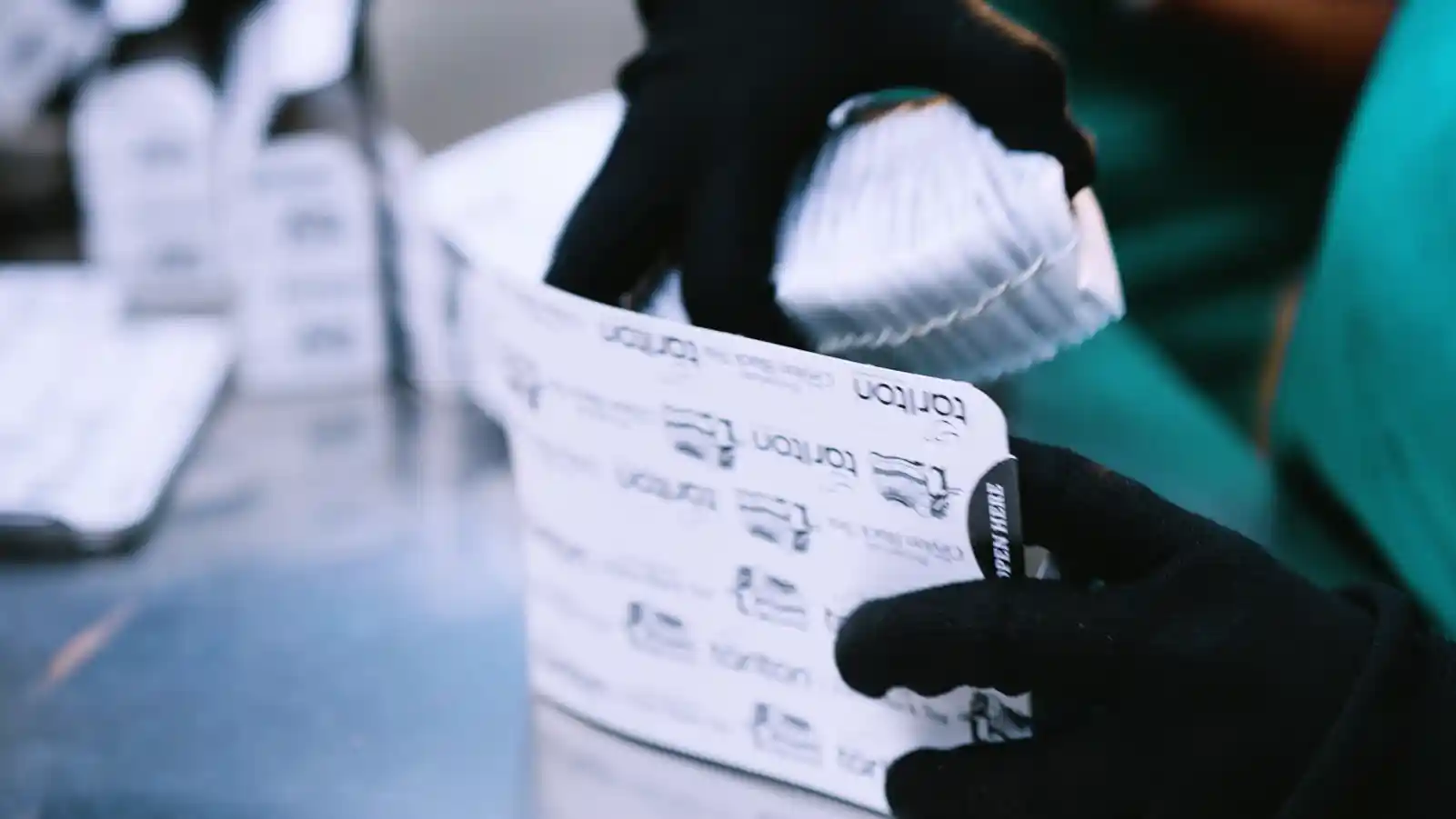
Once the tea has been manufactured and approved, it can be packed according to the intended sales format.
Common formats include:
- Tea bags
- Loose-leaf tea
- Pouches
- Boxes
- Tins
- Bulk packaging
- Retail-ready packaging
Packaging requirements can vary significantly depending on the destination market and sales channel.
A manufacturer working with an international brand may also need to accommodate the buyer’s branding, labelling and packaging specifications.
Private Label Tea Manufacturing
For businesses launching their own tea brand, the manufacturing process can extend beyond producing tea.
Private label tea manufacturing allows a business to develop a product that is manufactured and packed for sale under its own brand.
The buyer may have requirements relating to the tea blend, product format, packaging and branding.
This provides an established route for retailers, distributors and tea brands that want their own branded tea products without building their own tea manufacturing facility.
White Label Tea Manufacturing
White label manufacturing follows a slightly different approach.
Instead of developing a completely unique product, a business can select an existing tea product and have it packaged and branded for its market.
This can make it possible to launch a tea range without going through the full product-development process.
For businesses looking for a faster route to market, white label tea can therefore be a practical manufacturing option.
OEM Tea Manufacturing in Sri Lanka
OEM tea manufacturing is appropriate when the buyer has specific requirements that the manufacturer needs to produce.
These requirements may include:
- Specific tea varieties
- Custom blends
- Ingredient specifications
- Tea bag formats
- Packaging requirements
- Product specifications
- Branding requirements
The manufacturer works according to the agreed specifications to produce the required finished product.
This makes OEM manufacturing particularly relevant for established brands or businesses with a clearly defined product concept.
Can Tea Be Manufactured for Export?
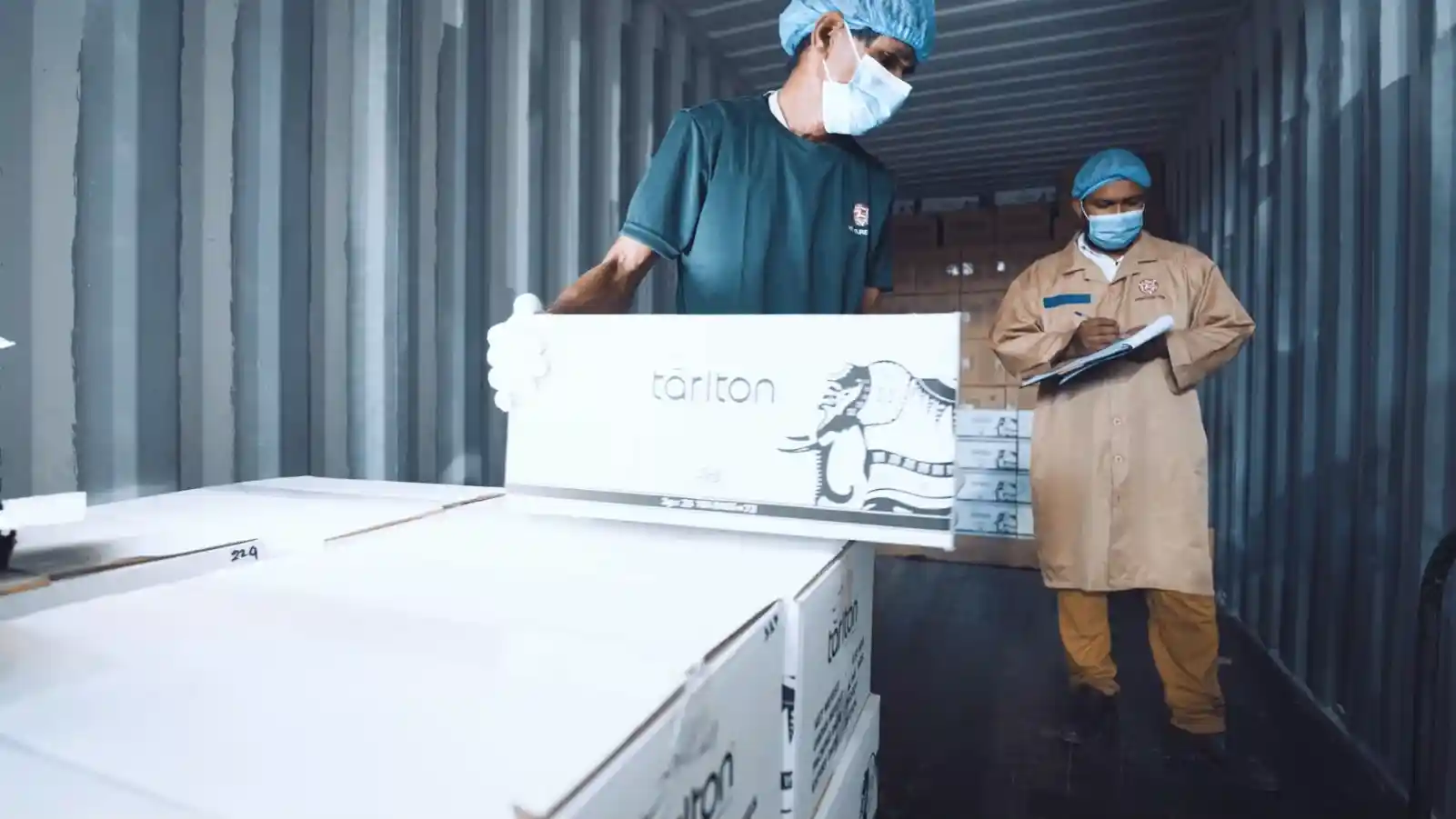
Yes. Sri Lanka has an established international tea trade, and finished tea products can be prepared for overseas markets.
For an international buyer, the manufacturing relationship may therefore include more than production. Export preparation, packaging, commercial documentation and logistics can also become important parts of the supply process.
This is why choosing a Sri Lankan tea exporter and manufacturer with experience serving international buyers can simplify the route from production to destination market.
What Happens After Manufacturing?
Once the tea has been manufactured and packed, the finished product can be prepared for distribution.
Depending on the buyer’s business model, this may involve:
Wholesale supply — bulk quantities supplied to distributors, retailers or other businesses.
Private label supply — finished tea manufactured and packed under the buyer’s brand.
White label supply — an existing tea product branded for the buyer.
OEM manufacturing — tea produced according to the buyer’s specifications.
Export supply — finished tea products prepared for international shipment.
The manufacturing model should therefore be selected according to what the buyer actually needs.
Why Choose a Tea Manufacturer in Sri Lanka?
For buyers sourcing Ceylon Tea, manufacturing in Sri Lanka provides the advantage of working close to the country’s established tea industry.
A capable manufacturer can bring together tea sourcing, product development, blending, packing and export preparation, giving international buyers a more integrated supply chain.
For a growing tea brand, this can mean working with one manufacturing partner rather than coordinating multiple companies for different stages of the product.
Frequently Asked Questions
Where does tea manufacturing in Sri Lanka begin?
The process begins with tea leaves cultivated and harvested in Sri Lanka’s tea-growing regions. The leaves are then processed according to the type of tea being produced.
How is Ceylon black tea manufactured?
Ceylon black tea generally goes through stages including withering, processing, oxidation, drying, grading and sorting before being selected or blended and packed for commercial sale.
Can tea manufacturers create custom blends?
Yes. Tea manufacturers can develop blends according to requirements such as flavour, strength, aroma, ingredients and target market.
Can I manufacture my own tea brand in Sri Lanka?
Yes. Businesses can work with manufacturers offering private label, white label or OEM tea manufacturing services to develop products for their own brands.
Can I buy tea wholesale from a Sri Lankan manufacturer?
Yes. Wholesale buyers can source tea in bulk depending on the manufacturer’s product range, minimum order quantities and production capacity.
Can Sri Lankan tea manufacturers export finished products?
Yes. Sri Lanka has a well-established tea export industry. International buyers should confirm the manufacturer’s specific export capabilities, documentation and shipping arrangements.
From Leaf to Finished Tea Product
Tea manufacturing in Sri Lanka is a journey that extends well beyond harvesting the tea leaf. Processing, grading, blending, quality control, packaging and export preparation all contribute to the final product that reaches consumers.
For international tea buyers, the right manufacturing partner can connect these stages into one supply chain.
Venture Tea supports businesses looking to source and manufacture tea products from Sri Lanka, whether the requirement is for wholesale tea, finished retail products, private label tea, white label products or customised OEM manufacturing.
The result is a pathway from Ceylon Tea in Sri Lanka to a finished tea product ready for your market.