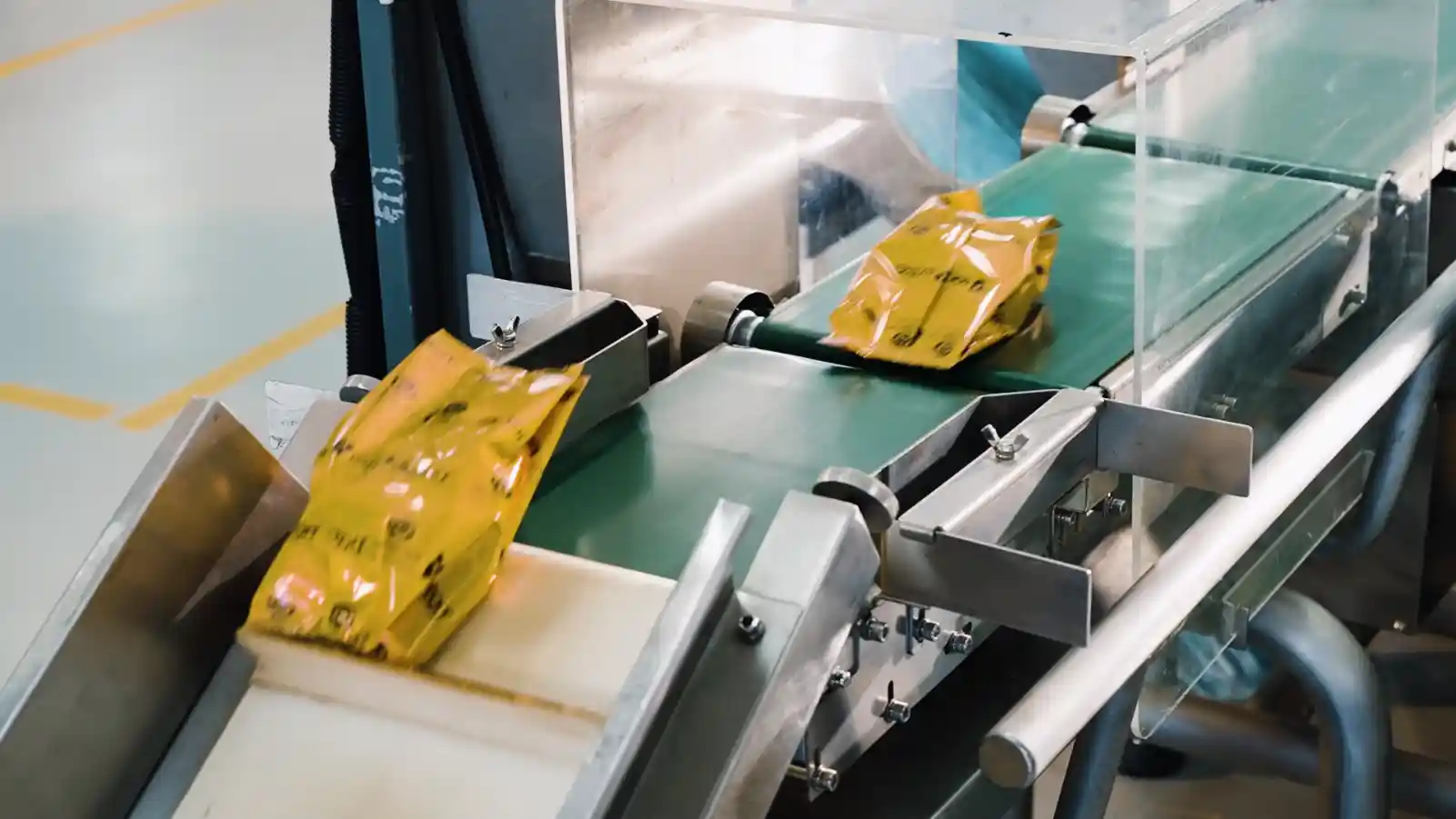
If you are sourcing tea for a retail brand, importing business, distributor network or hospitality company, understanding what a tea manufacturer in Sri Lanka actually does can help you choose the right supply partner.
A tea manufacturer may do much more than process and pack tea. Depending on the business and the buyer’s requirements, manufacturing can involve tea sourcing, blending, product development, quality control, packaging, private label production, OEM manufacturing and export preparation.
For global tea buyers, the key question is not simply “Can you make tea?” It is whether the manufacturer can provide the combination of production, quality, consistency and commercial support required for your business.
What Is a Tea Manufacturer?
A tea manufacturer is a company involved in turning tea and other approved ingredients into finished tea products for commercial use or sale.
The manufacturing process can include:
- Sourcing and selecting tea
- Tea processing and grading
- Tea blending
- Product formulation
- Quality control
- Tea bag and loose-leaf production
- Retail packaging
- Bulk packaging
- Private label manufacturing
- White label manufacturing
- OEM production
- Export preparation
The exact services vary between manufacturers, so buyers should always confirm what a particular supplier can provide.
What Does a Tea Manufacturer in Sri Lanka Do?
A Sri Lankan tea manufacturer can support different stages of the tea supply chain, from sourcing Ceylon Tea through to producing finished products for local and international markets.
For a global buyer, the manufacturing relationship may look like this:
Tea sourcing → Selection → Blending → Quality control → Packing → Branding → Export preparation → Delivery
Not every buyer requires every stage. A wholesaler may simply require bulk tea, while a retail brand may need a complete private label manufacturing solution.
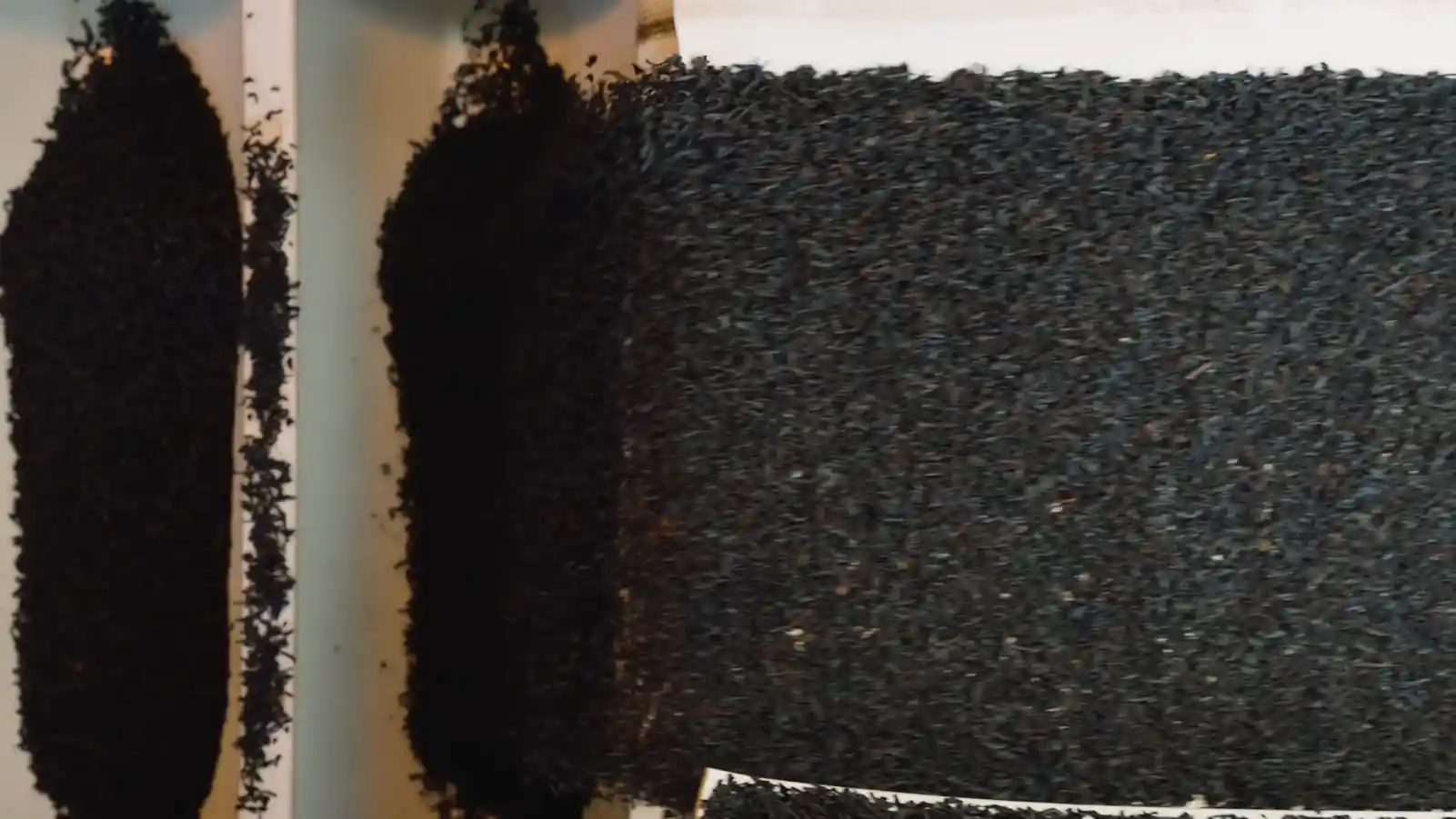
1. Tea Sourcing and Selection
The first requirement is sourcing suitable tea.
Sri Lanka is internationally recognised for Ceylon Tea, and tea from different growing regions can have different characteristics.
A manufacturer can help identify tea suitable for the intended product based on factors such as:
- Flavour
- Aroma
- Strength
- Appearance
- Leaf characteristics
- Intended application
- Target price
- Customer preferences
For international buyers, this sourcing knowledge can be valuable because the right raw material forms the foundation of the finished product.
2. Tea Blending
Many commercial tea products are blends rather than a single tea component.
Tea manufacturers can combine selected teas to achieve a particular flavour profile, strength, colour or aroma.
Blending is particularly important for brands that want their product to deliver a consistent experience over time.
For a buyer developing a custom tea product, the manufacturer may work with the required specifications to create or reproduce the desired blend.
3. Product Development and Formulation
Tea manufacturing can also involve developing products beyond conventional black tea.
Depending on the manufacturer’s capabilities, this can include:
- Black tea blends
- Green tea
- English Breakfast
- Herbal teas
- Wellness teas
- Detox tea blends
- Flavoured teas
- Speciality blends
Product development may involve selecting the right ingredients, determining proportions and creating a product suitable for the intended market.
This becomes particularly relevant for OEM tea manufacturing, where the buyer has specific product requirements.
4. Quality Control
A tea manufacturer’s responsibility does not end once the blend has been produced.
Quality control helps ensure that the product meets its agreed specifications and remains consistent between production batches.
For international buyers, consistency is critical.
If a customer buys the same tea repeatedly, they expect the flavour, appearance, aroma and overall experience to remain consistent.
A reliable manufacturing partner should therefore have processes for checking raw materials, production and finished products.
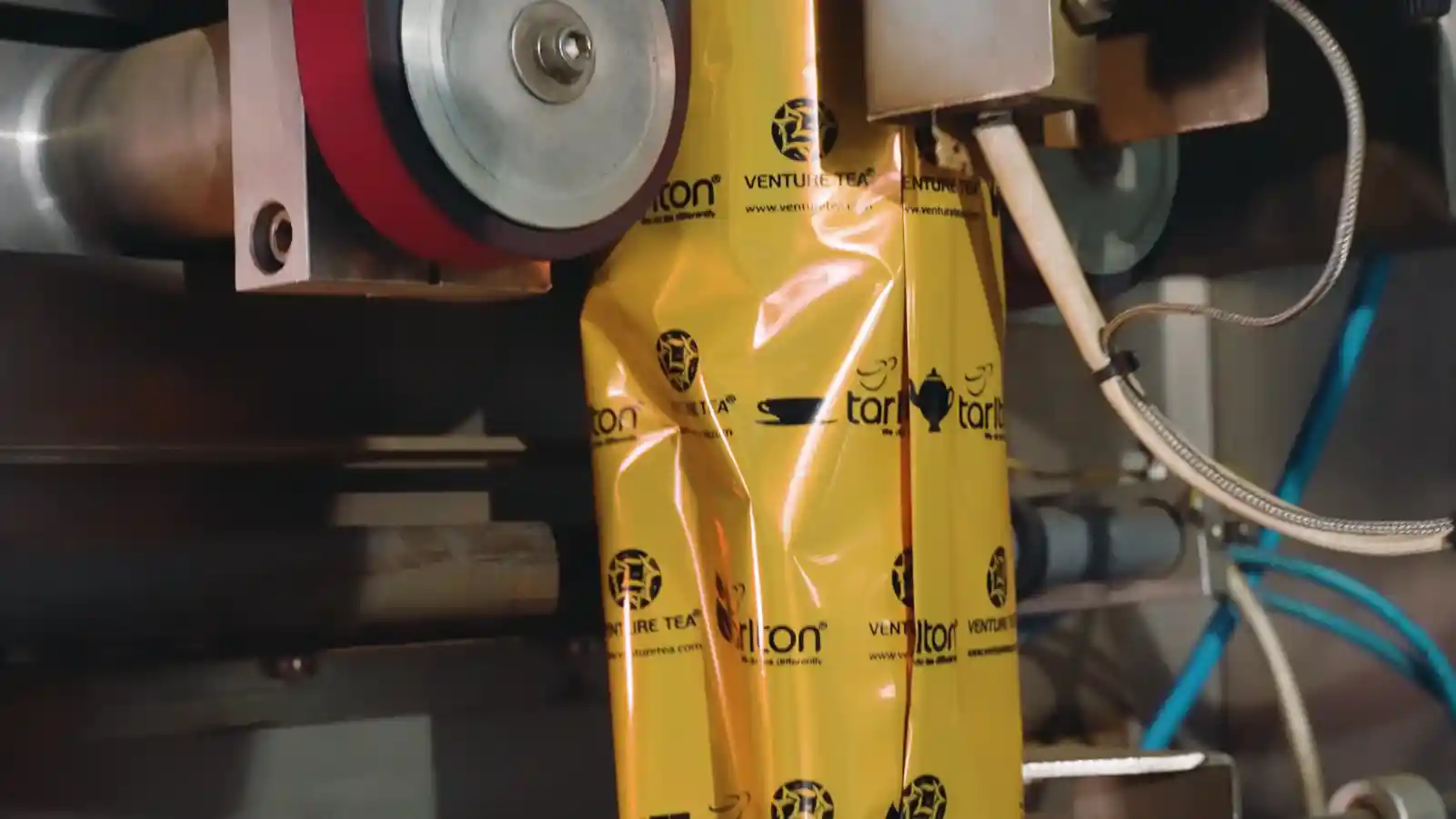
5. Tea Packaging
A tea manufacturer may also handle the packing of the finished product.
Different buyers require different packaging formats, including:
- Tea bags
- Loose-leaf packs
- Pouches
- Boxes
- Tins
- Sachets
- Bulk packs
Packaging can also be designed around the target market and distribution channel.
A supermarket product, hospitality product and wholesale tea shipment may all require different packaging solutions.
6. Private Label Tea Manufacturing
One of the most important services for modern tea brands is private label tea manufacturing.
Private label allows a business to sell a tea product under its own brand while a specialist manufacturer handles production.
The buyer may provide requirements for the tea, packaging and branding, while the manufacturer manages the relevant production processes.
This allows businesses to build their own tea range without investing in their own manufacturing facility.
7. White Label Tea Manufacturing
White label tea manufacturing is generally based on an existing product.
Instead of developing a completely new tea formulation, the buyer selects an available product and sells it under its own brand, subject to the manufacturer’s available options and requirements.
For businesses that want a simpler route into the tea market, white label manufacturing can reduce the amount of product development required.
8. OEM Tea Manufacturing
OEM tea manufacturing is designed for buyers with specific requirements.
An OEM buyer may have a particular concept, formulation, blend, ingredient specification, packaging format or product standard that the manufacturer needs to produce.
The manufacturer therefore works according to the agreed specifications rather than simply supplying a standard product.
This can make OEM manufacturing suitable for established brands, distributors and businesses developing differentiated tea products.
9. Wholesale Tea Supply
Not every buyer needs branded retail products.
A wholesaler or distributor may simply require consistent supplies of tea in commercial quantities.
In this situation, the manufacturer may supply bulk tea or packaged products according to agreed specifications and quantities.
For wholesale buyers, important considerations include:
- Minimum order quantities
- Production capacity
- Pricing
- Lead times
- Packaging options
- Product consistency
- Repeat-order capability
The objective is to establish a reliable supply relationship rather than simply complete a single purchase.
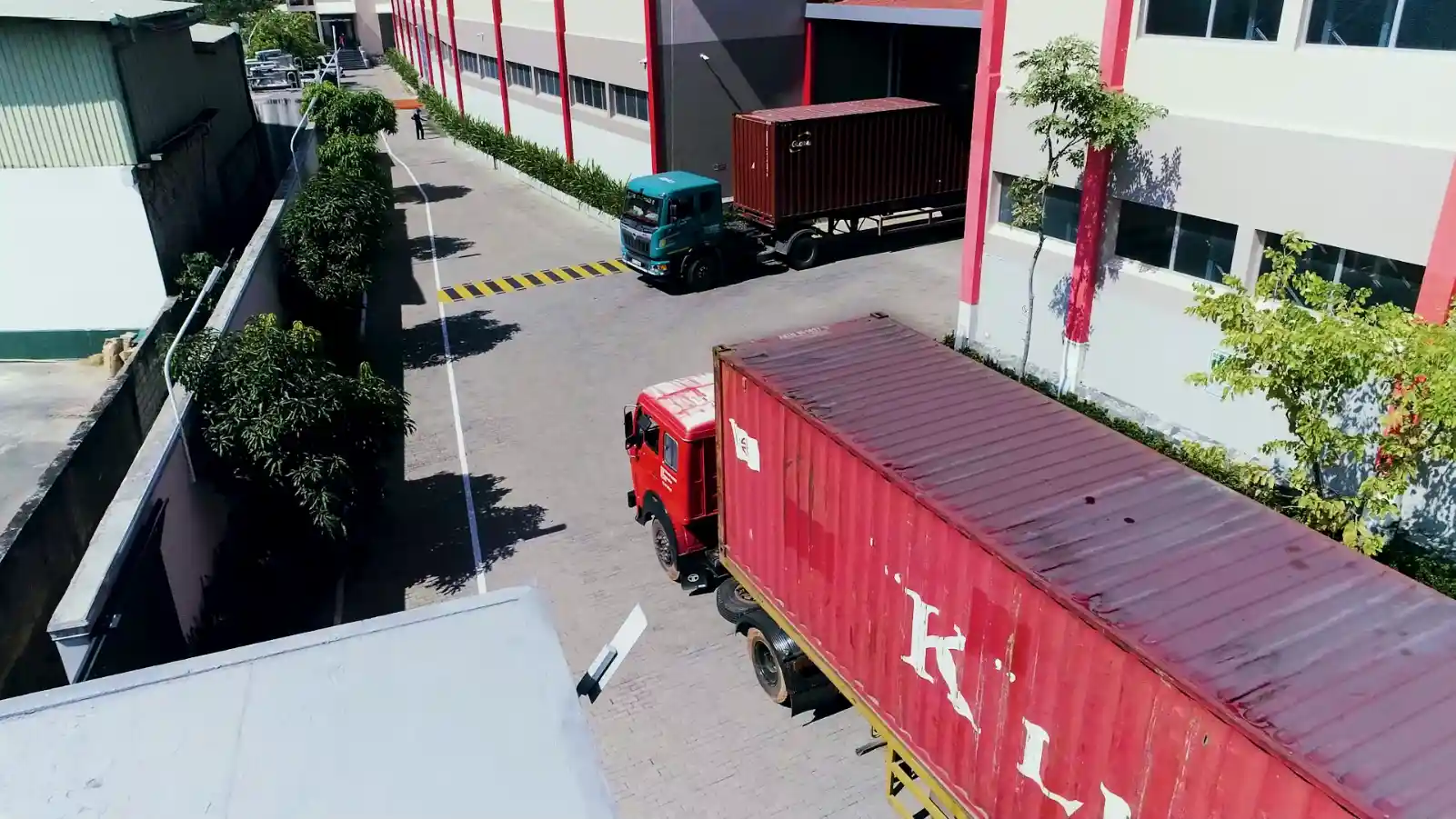
10. Export Support
For an overseas buyer, manufacturing is only part of the process.
The finished tea must also be prepared for its destination market.
A manufacturer serving international customers may therefore support export-related requirements such as:
- Export documentation
- Product packaging
- Labelling requirements
- Commercial documentation
- Shipment preparation
- Coordination with logistics providers
Sri Lanka’s established tea export industry makes the country an important sourcing location for international tea buyers.
However, buyers should always confirm the specific export services and destination-market requirements supported by their chosen manufacturer.
What Is the Difference Between a Tea Manufacturer and a Tea Supplier?
The terms manufacturer and supplier are often used interchangeably, but they describe different capabilities.
A manufacturer focuses on making or processing the product.
A supplier focuses on providing products consistently to customers.
A company can be both.
For a global buyer, working with a company that combines manufacturing and supply capabilities can simplify the purchasing process because production and ongoing supply are handled through the same relationship.
What Is the Difference Between a Manufacturer and an Exporter?
A manufacturer produces the tea product.
An exporter handles the process of getting the product from the country of origin to an overseas market.
Again, one company can perform both roles.
For international buyers, a tea manufacturer and exporter in Sri Lanka can potentially provide a more integrated route from tea production to international delivery.
Why Does This Matter to Global Tea Buyers?
Choosing a tea manufacturer is ultimately a business decision.
The cheapest supplier may not necessarily be the most suitable partner if the business cannot maintain consistent quality, meet production volumes or support future growth.
Global buyers should therefore assess:
Manufacturing capability
Can the company actually produce the tea product you require?
Supply capability
Can it support repeat orders as your business grows?
Customisation
Can it manufacture according to your specifications?
Branding
Can it provide private label or white label solutions?
Export capability
Can it support the requirements of your destination market?
Quality
Does it have processes that support consistent production?
Why Choose a Sri Lankan Tea Manufacturer?
Sri Lanka offers an established tea industry built around the production and export of Ceylon Tea.
For buyers, this provides an opportunity to work directly with tea businesses located close to the source while accessing manufacturing, blending and packaging capabilities.
A suitable Sri Lankan manufacturing partner can help connect the different stages of the supply chain, reducing the need for a buyer to coordinate multiple providers.
How Venture Tea Supports Global Tea Buyers
Venture Tea works with businesses seeking tea manufacturing and supply solutions from Sri Lanka.
Depending on the buyer’s requirements, this can include tea sourcing, blending, packaging, private label production, white label products and OEM manufacturing.
The objective is to match the manufacturing approach with the buyer’s actual business requirement.
A company launching a new tea brand may need a private label solution. A distributor may require wholesale supply. An established brand may need OEM manufacturing based on specific specifications. An international importer may require finished tea products prepared for export.
These are different requirements, even though they all begin with sourcing tea.
Frequently Asked Questions
Can a tea manufacturer in Sri Lanka produce private label tea?
Yes. Private label manufacturing allows businesses to sell tea under their own brand while production and packing are handled by a tea manufacturer.
Can I buy tea wholesale directly from a manufacturer?
Yes. Manufacturers can supply tea in commercial quantities, subject to their products, production capacity and minimum order requirements.
What is OEM tea manufacturing?
OEM manufacturing means producing tea according to specifications provided by the buyer. These can cover the blend, ingredients, format, packaging and other product requirements.
What is white label tea?
White label tea is generally an existing tea product that can be branded and packaged for another business.
Can Sri Lankan manufacturers export tea?
Yes. Sri Lanka has a long-established tea export industry. However, buyers should confirm the manufacturer’s specific export capabilities and the requirements of their destination country.
Can a tea manufacturer make herbal and wellness teas?
Many tea manufacturers can produce products beyond traditional black tea, including herbal, wellness and speciality blends. Buyers should confirm the ingredients and formulations supported by the specific manufacturer.
How do I choose the right tea manufacturer in Sri Lanka?
Start by defining your product, required volume, packaging, target market and level of customisation. Then assess the manufacturer’s production capabilities, quality processes, supply capacity, private label/OEM options and export experience.
The Right Manufacturer Is More Than a Factory
For global tea buyers, a tea manufacturer should be viewed as a potential supply-chain partner rather than simply a factory.
The right partner can help move a product from tea sourcing and selection to blending, manufacturing, packaging and international supply.
For businesses sourcing tea from Sri Lanka, Venture Tea provides an opportunity to work with a manufacturing partner that can support different commercial models, from wholesale tea supply to private label, white label and OEM production.
The important question is therefore not simply “Who can manufacture my tea?”
It is:
“Which tea manufacturing partner can produce the product I need, maintain its quality, supply it consistently and support my business as it grows?”