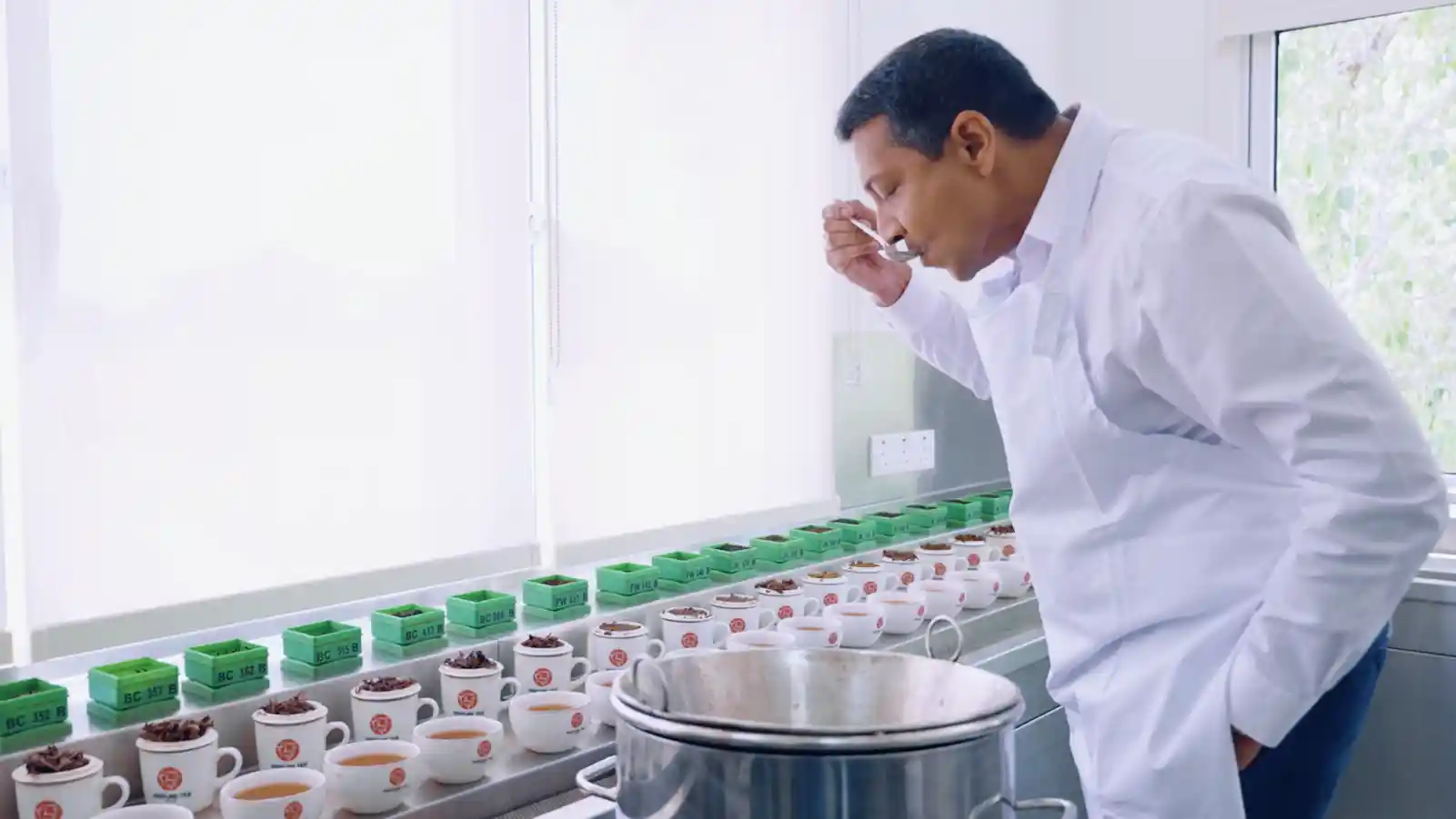
Choosing where to manufacture your tea is an important decision for any tea brand. The right manufacturing location can influence product quality, sourcing, consistency, packaging, cost and your ability to supply customers as your business grows.
For brands looking to develop or source tea products for international markets, Sri Lanka is one of the world’s recognised tea-producing countries. Its long-established tea industry, expertise in Ceylon Tea and international export network make it an attractive manufacturing base for businesses seeking a reliable tea production partner.
But choosing a tea manufacturer in Sri Lanka should not be based on country of origin alone. The manufacturer also needs to provide the production, supply, customisation and export capabilities your business requires.
Why Manufacture Tea in Sri Lanka?
Sri Lanka has built a global reputation around Ceylon Tea.
The country’s tea industry combines tea cultivation, processing, blending, packing and export, creating an established environment for businesses looking to source tea products from one location.
For an international tea brand, this can provide several advantages:
- Access to Ceylon Tea
- Established tea manufacturing expertise
- Tea blending capabilities
- Retail and bulk packaging options
- Private label manufacturing
- White label solutions
- OEM manufacturing
- International export experience
- Access to established tea supply chains
The right manufacturing partner can bring these capabilities together to create a more efficient route from tea source to finished product.
1. Access to Ceylon Tea
One of the biggest reasons brands choose Sri Lanka is access to Ceylon Tea.
Tea grown in different regions of Sri Lanka can have distinctive characteristics influenced by elevation, climate and growing conditions.
This gives tea brands opportunities to select teas that suit different product concepts, whether the requirement is for a full-bodied black tea, a lighter tea profile, a speciality blend or another product.
For brands positioning their products around authentic Ceylon Tea, manufacturing in Sri Lanka also keeps the product close to its source.
2. Established Tea Manufacturing Expertise
Sri Lanka has decades of experience producing tea for both domestic and international markets.
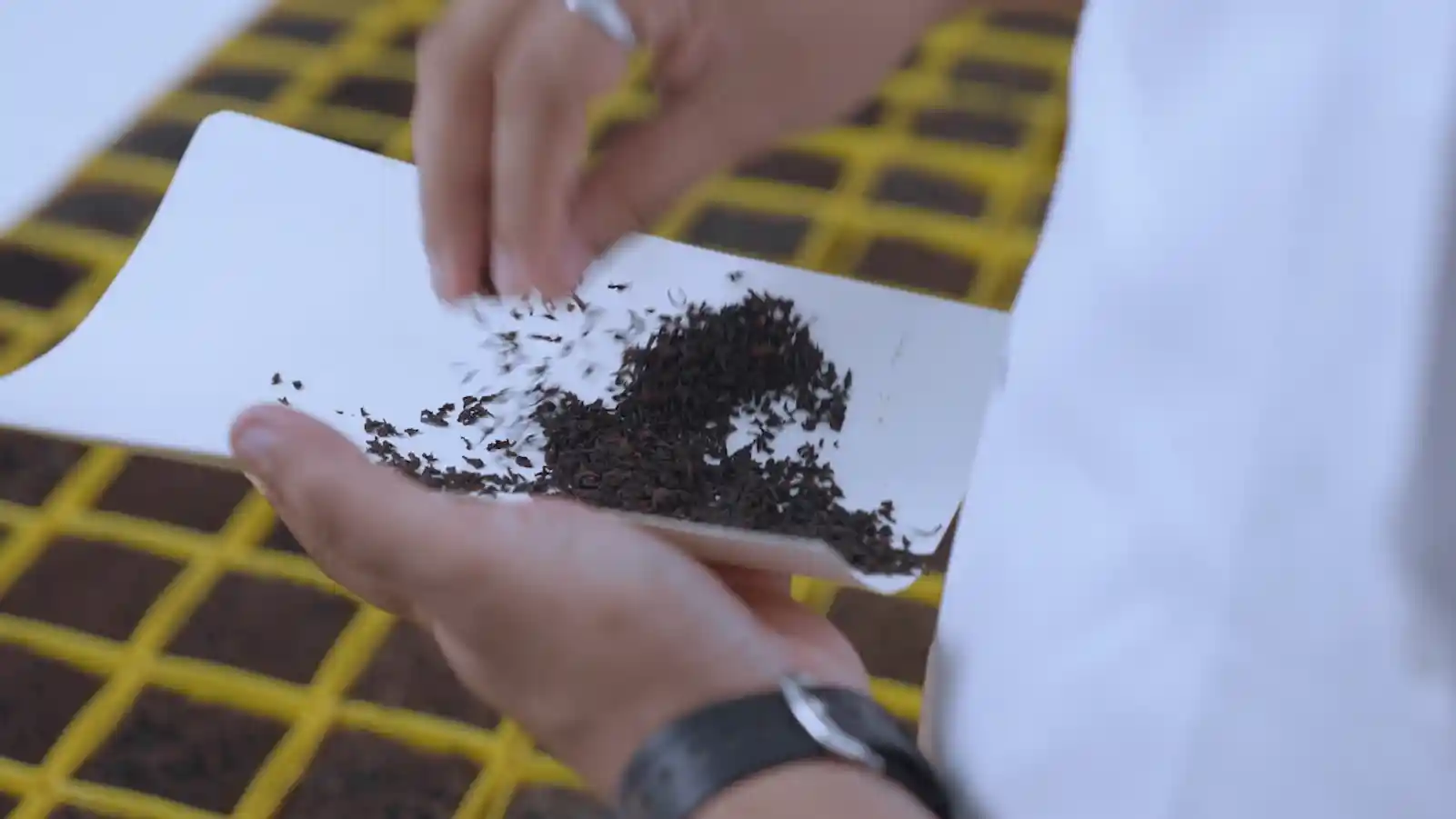
This industry knowledge extends beyond growing tea. Commercial tea production requires expertise in processing, grading, blending, quality control and packing.
For a tea brand, working with an experienced manufacturer means the business does not need to develop all of these capabilities internally.
Instead, the brand can focus on its market, customers and product positioning while the manufacturing partner manages the production process.
3. Consistent Tea Supply
A successful tea brand needs more than a good first batch.
It needs a manufacturing partner capable of producing consistent products and supporting repeat orders.
This is particularly important when a tea brand begins expanding into new retailers, distributors or international markets.
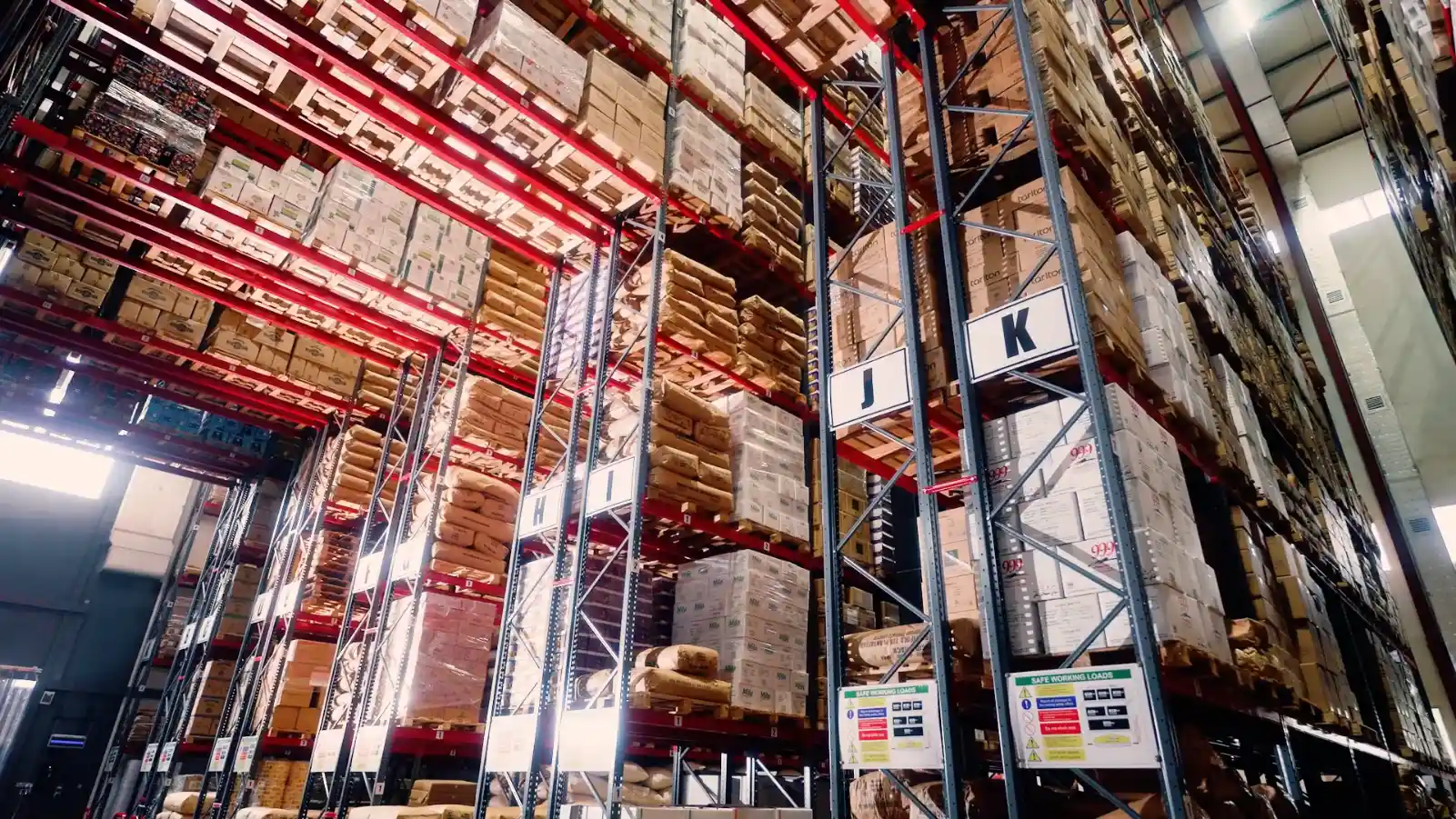
A reliable tea supplier and manufacturer in Sri Lanka should be able to discuss production capacity, lead times, minimum order quantities and repeat supply requirements from the beginning.
This helps the buyer understand whether the manufacturer can support the business beyond its initial launch.
4. Custom Tea Blending
Not every tea brand wants to sell a standard product.
Some brands need a particular flavour profile, strength, aroma or blend designed for their target customers.
A tea manufacturer can combine selected teas and ingredients to create a product according to agreed specifications.
Custom blending can be particularly valuable for brands that want to develop a product that is different from readily available market offerings.
5. Private Label Tea Manufacturing
For businesses building their own tea brand, private label tea manufacturing can provide an efficient way to bring products to market.
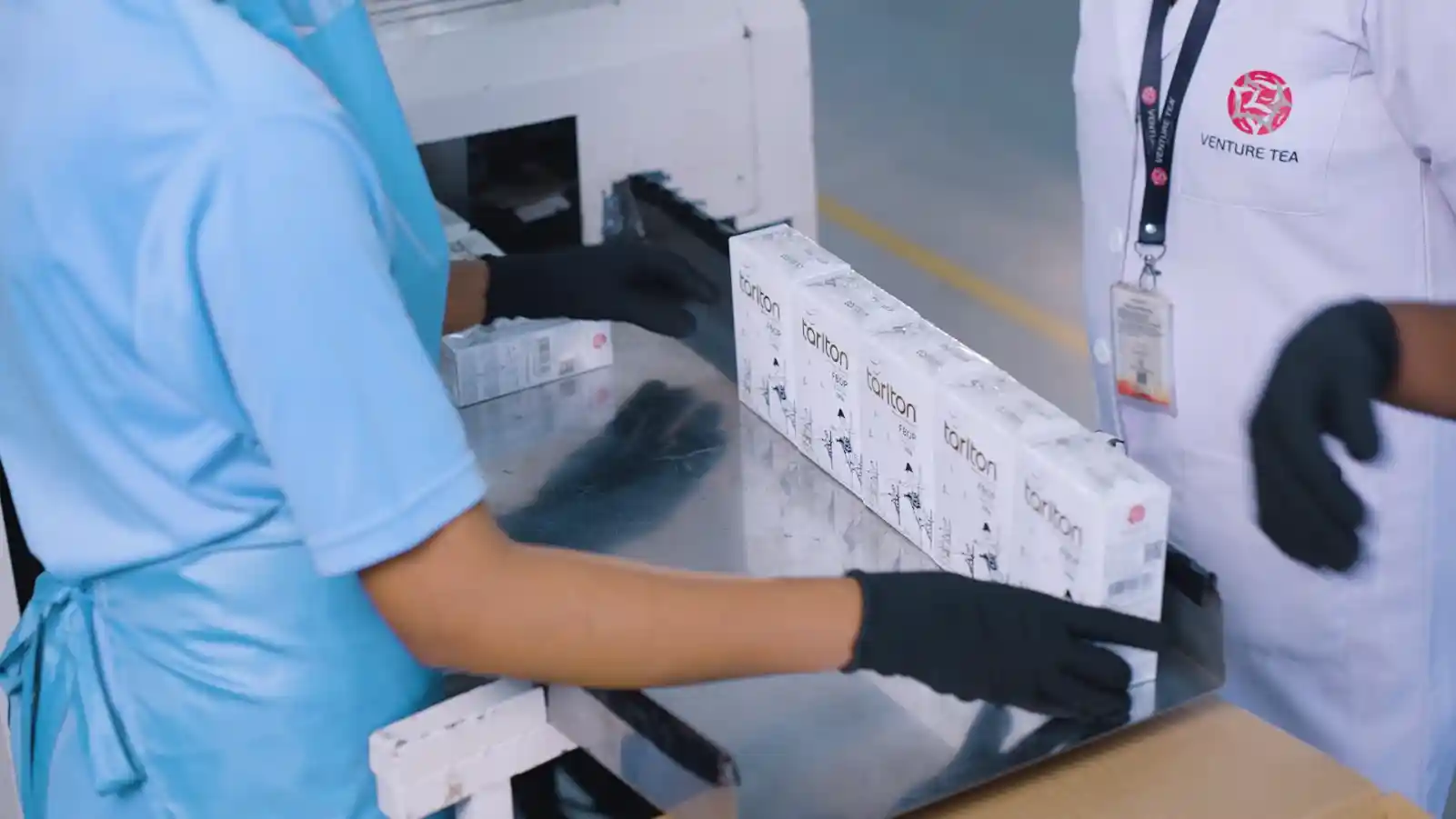
The manufacturer handles production and packing while the finished product is sold under the buyer’s brand.
Depending on the project, the buyer may specify requirements relating to:
- Tea type
- Blend
- Ingredients
- Packaging
- Pack size
- Labelling
- Brand presentation
- Target market
Private label manufacturing allows a business to create a branded tea range without establishing its own manufacturing facility.
6. White Label Tea for Faster Product Launches
White label manufacturing can be suitable for businesses that want to launch tea products without developing a completely new formulation.
An existing tea product can be selected and then packaged and branded for the buyer, subject to the manufacturer’s available options.
This can reduce product-development time and allow businesses to concentrate on branding, marketing and distribution.
For new businesses testing the tea market, white label can therefore provide a simpler entry point.
7. OEM Manufacturing for Custom Requirements
Established brands may require a higher degree of control over their product.
This is where OEM tea manufacturing can become relevant.
An OEM buyer can provide specifications for the product, which may include:
- Specific tea varieties
- Custom blends
- Ingredients
- Product format
- Tea bag specifications
- Packaging
- Labelling
- Other manufacturing requirements
The manufacturer then produces the tea according to the agreed specifications.
For brands with an established product concept, OEM manufacturing can provide a more tailored manufacturing relationship.
8. Flexible Packaging Options
A tea brand’s packaging needs depend on how and where the product will be sold.
A manufacturer may need to accommodate formats such as:
- Tea bags
- Loose-leaf tea
- Retail boxes
- Pouches
- Tins
- Sachets
- Bulk packs
Packaging can also be designed around private label or OEM requirements.
For international brands, the packaging must also take into account the target market, product information and applicable labelling requirements.
9. Manufacturing for International Markets
One of the strongest advantages of working with a Sri Lankan tea manufacturer is the country’s established connection to international tea markets.
For an overseas buyer, the manufacturing process may need to extend through export preparation.
This can involve coordinating:
Manufacturing → Packaging → Documentation → Shipment → International delivery
A manufacturer with experience serving international buyers can help make this process more straightforward.
However, buyers should always confirm the specific export services, documentation and destination-market requirements supported by their chosen manufacturer.
10. Wholesale Supply for Growing Brands
A tea brand may begin with a relatively small product launch but eventually need larger volumes.
This is where wholesale manufacturing and supply capability become important.
A suitable partner should be able to discuss:
- Bulk order quantities
- Minimum order quantities
- Production capacity
- Lead times
- Packaging formats
- Repeat orders
- Product consistency
The objective is to establish a supply relationship that can grow alongside the brand.
11. One Partner for Multiple Requirements
One of the practical benefits of working with an experienced tea manufacturer is the possibility of managing several requirements through one supplier.
A business may need:
Tea sourcing
Access to suitable Ceylon Tea and other tea ingredients.
Manufacturing
Production according to the required product specifications.
Blending
Creation of a specific flavour or product profile.
Packaging
Retail, bulk or custom packaging.
Private label
Manufacturing under the buyer’s brand.
White label
Branding an existing tea product.
OEM
Manufacturing according to specific requirements.
Export
Preparing finished products for international markets.
Having these capabilities within one supply relationship can simplify procurement and communication.
What Should You Look for in a Sri Lankan Tea Manufacturer?
Not every tea manufacturer will be the right fit for every brand.
Before choosing a partner, consider the following questions.
Can they manufacture your product?
Confirm that they can produce the exact tea type, blend, ingredients and format you require.
Can they maintain consistent quality?
Ask how product specifications and consistency are managed between production batches.
Can they meet your volume?
Your manufacturer should be able to support your current order requirements and ideally have the capacity to accommodate future growth.
Can they manufacture under your brand?
If you want your own product, confirm the availability of private label, white label or OEM services.
Can they export?
If you are purchasing from overseas, establish whether the manufacturer has the experience and capability to support international shipments.
Can they support your future requirements?
A manufacturing relationship should ideally be capable of evolving as your product range and sales volumes grow.
Why Venture Tea?
Venture Tea provides tea manufacturing and supply solutions for businesses looking to source tea products from Sri Lanka.
For buyers, the requirement may be straightforward wholesale supply or a more comprehensive manufacturing project involving blending, packaging and branding.
Venture Tea can support different commercial approaches, including:
- Wholesale tea supply
- Private label tea
- White label tea
- OEM tea manufacturing
- Tea blending
- Retail tea packaging
- Export-oriented tea supply
This allows the manufacturing relationship to be structured around the buyer’s actual business model rather than forcing every customer into the same product or supply arrangement.
Frequently Asked Questions
Is Sri Lanka a good place to manufacture tea?
Sri Lanka has an established tea industry and is internationally recognised for Ceylon Tea. Its manufacturing and export infrastructure makes it a suitable sourcing location for many international tea brands.
Can I create my own tea brand in Sri Lanka?
Yes. Businesses can work with Sri Lankan manufacturers offering private label, white label or OEM tea manufacturing services.
Can I manufacture custom tea blends in Sri Lanka?
Yes, depending on the manufacturer’s capabilities. Custom blending can be used to develop tea products according to specific flavour, strength, ingredient and product requirements.
Can I buy wholesale tea directly from Sri Lanka?
Yes. Wholesale buyers can source tea in commercial quantities, subject to the manufacturer’s products, minimum order quantities and production capacity.
Can a Sri Lankan manufacturer export my tea?
Manufacturers serving international buyers can support export-oriented production and preparation. The exact export services and documentation should be confirmed with the manufacturer.
Is private label tea cheaper than building my own tea factory?
Private label manufacturing can avoid the substantial investment required to establish your own tea production, blending and packaging infrastructure. The actual product cost depends on the tea, packaging, order quantity and manufacturing requirements.
What is the difference between private label and OEM tea?
Private label generally involves manufacturing a product for sale under the buyer’s brand, while OEM manufacturing is typically more specification-driven, with the manufacturer producing according to requirements supplied by the buyer.
Build Your Tea Brand from Sri Lanka
Choosing a Sri Lankan tea manufacturer can give your brand access to an established tea industry, Ceylon Tea, manufacturing expertise, blending capabilities, packaging solutions and international supply networks.
But the country alone is not the deciding factor.
The real value comes from finding a manufacturing partner that can answer all the questions that matter to your business:
Can you make it?
Can you supply it consistently?
Can you manufacture it under my brand?
Can you manufacture it according to my specifications?
Can you supply it in the quantities I need?
Can you get the finished product to my market?
For brands seeking a manufacturing partner that can support these requirements, Venture Tea provides a route from Sri Lankan tea sourcing to finished, branded tea products for international markets.