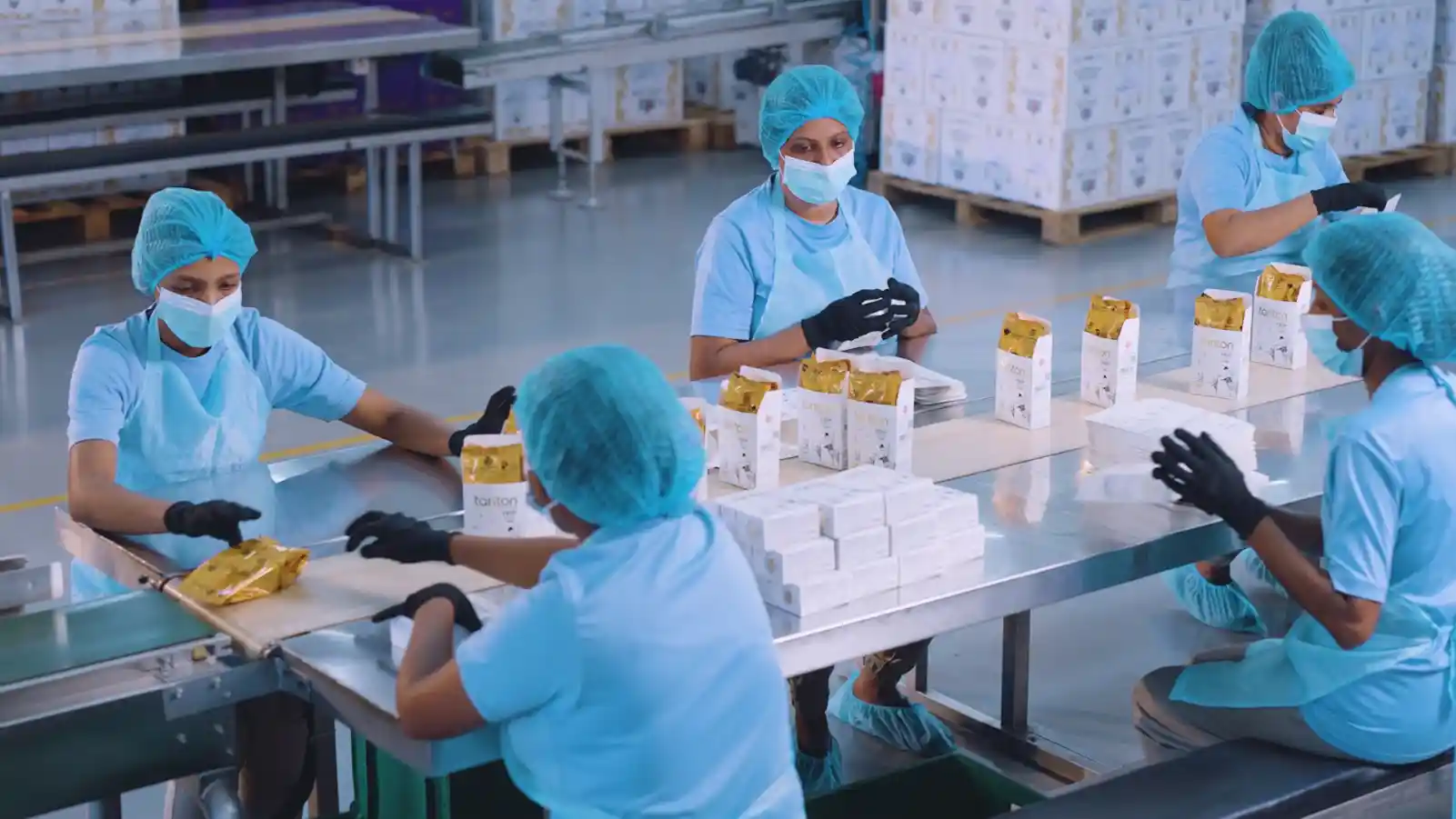
When an international business wants to buy tea from Sri Lanka, the process involves much more than finding tea and arranging a shipment. A professional tea exporter helps coordinate the journey from sourcing and product preparation to packaging, export documentation and international delivery.
For global tea buyers, understanding what a tea exporter actually does can make it easier to choose the right supply partner and determine whether that partner can support the business beyond a single order.
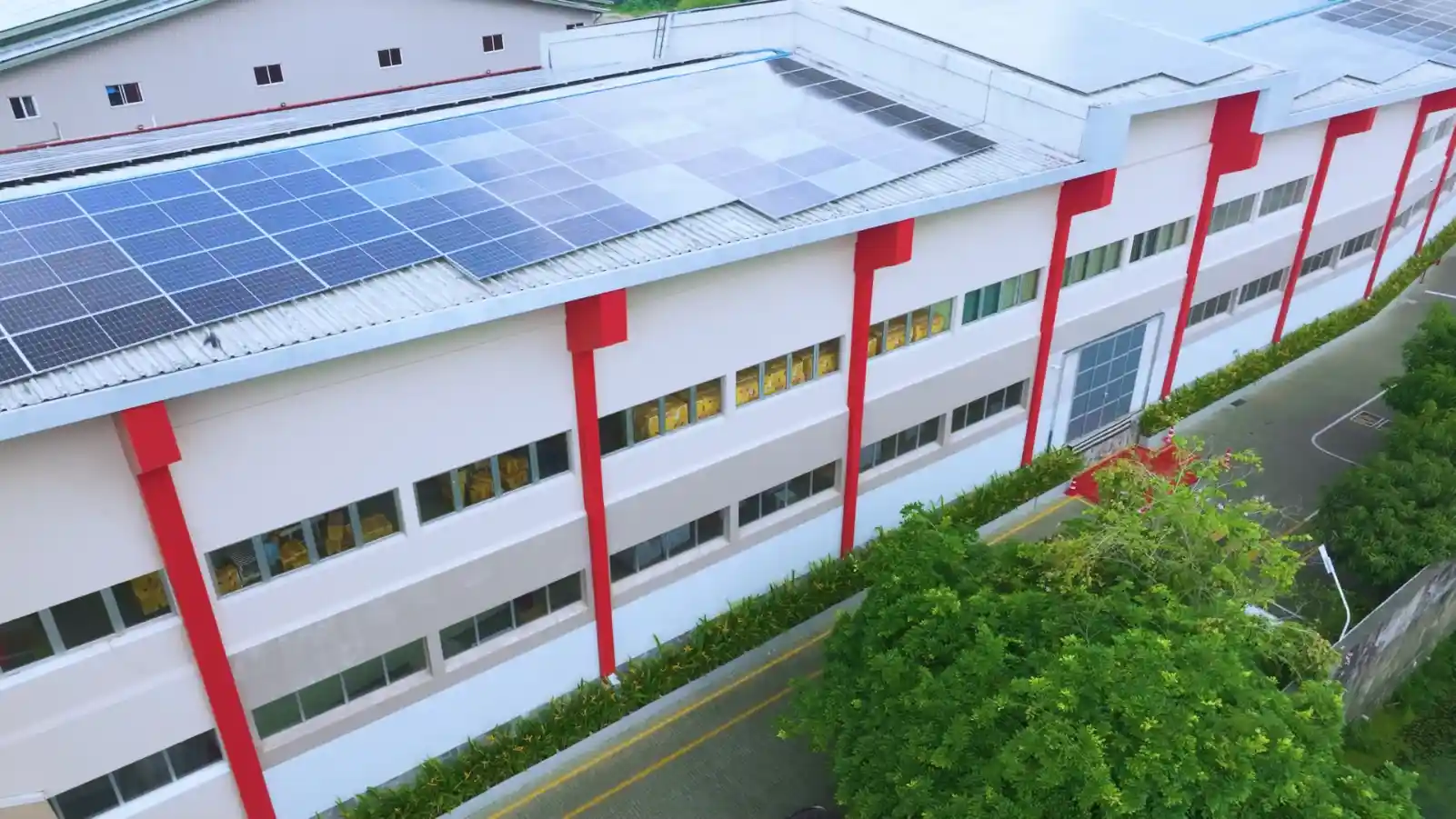
Venture Tea supports international buyers by combining Sri Lankan tea sourcing with manufacturing, blending, packaging and export capabilities.
What Is a Tea Exporter?
A tea exporter is a business that supplies tea from its country of origin to buyers in international markets.
In Sri Lanka, a tea exporter may work with tea producers, manufacturers, packaging facilities, logistics providers and international buyers to prepare tea products for overseas markets.
Depending on the company’s capabilities, its role can extend beyond exporting finished tea. It may also include sourcing, blending, manufacturing, packaging, private label production and OEM manufacturing.
For an international buyer, this can mean having one commercial partner responsible for several stages of the supply process.
Step 1: Understanding the Buyer’s Requirements
The export process begins with understanding what the buyer actually needs.
An international buyer may be looking for:
Bulk Ceylon tea
Wholesale tea supply
Retail-ready tea products
Custom tea blends
Private label tea
White label tea
OEM tea manufacturing
Herbal and wellness teas
Detox teas
English Breakfast and other tea blends
The required tea type, quantity, packaging, target market and product specifications all influence how the order is prepared.
Step 2: Sourcing the Tea
Once the requirements are established, the appropriate tea needs to be sourced.
Sri Lanka produces Ceylon tea with different characteristics depending on factors such as growing region and elevation.
A knowledgeable tea supplier can help identify tea that matches the buyer’s desired product characteristics rather than treating every tea requirement as the same.
For commercial buyers, sourcing also needs to consider availability and ongoing supply, particularly when the tea will become part of a permanent product range.
Step 3: Manufacturing and Blending
Not every international buyer wants to purchase an existing tea product.
Some businesses require a particular blend, flavour profile or formulation.
In these cases, the tea exporter may also work as a tea manufacturer or coordinate with manufacturing facilities to prepare the required product.
Tea blending can involve combining different teas or ingredients to achieve a specific product specification.
This is especially relevant for private label and OEM tea products.
Step 4: Quality Control
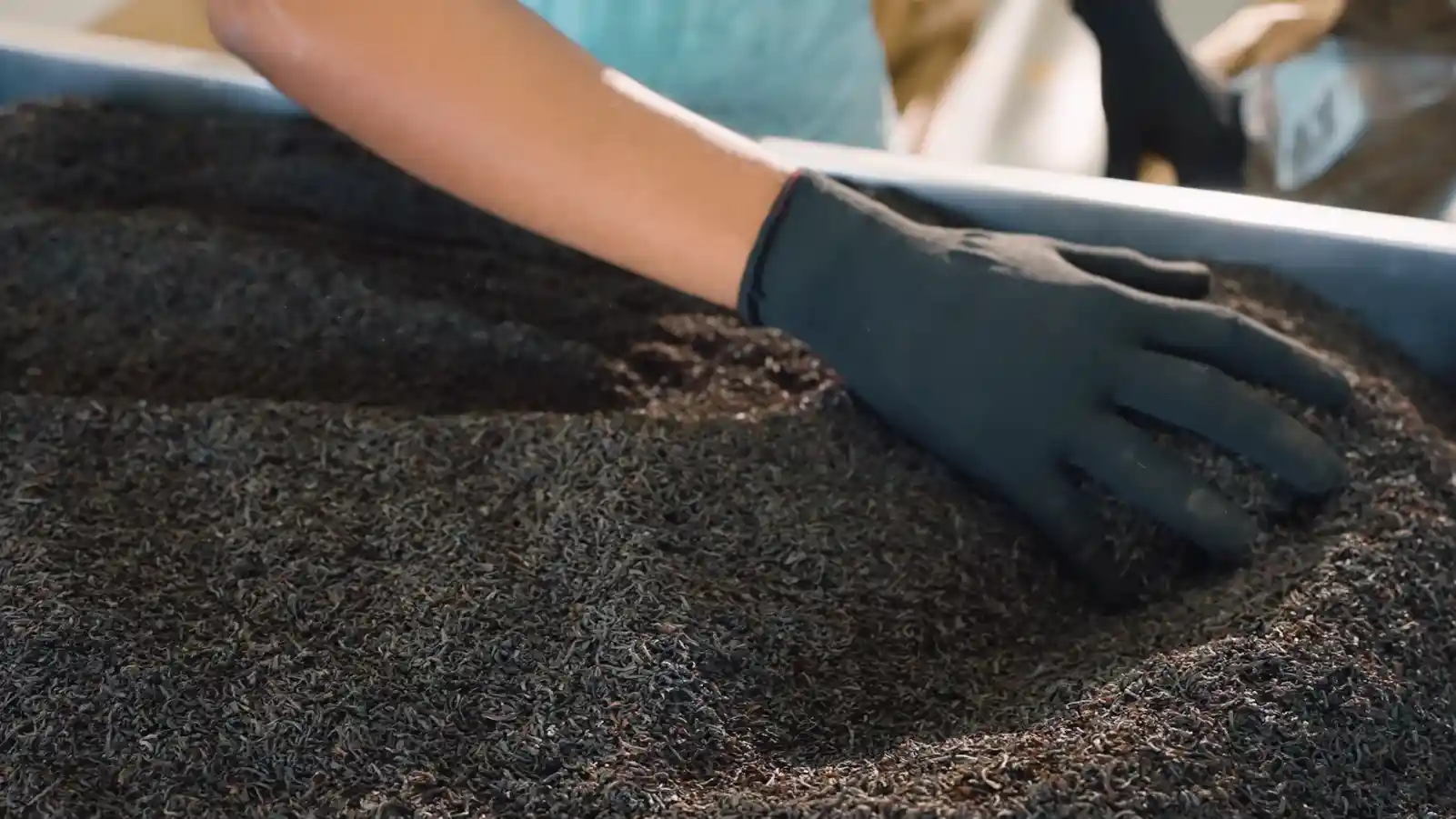
Quality control is an important part of preparing tea for international markets.
The objective is not simply to produce one acceptable shipment. A commercial tea buyer needs confidence that future orders can maintain the agreed specification.
Quality considerations can include the tea’s physical characteristics, aroma, flavour, blend composition, packaging and handling.
For long-term supply relationships, consistency should be discussed before the first commercial order is placed.
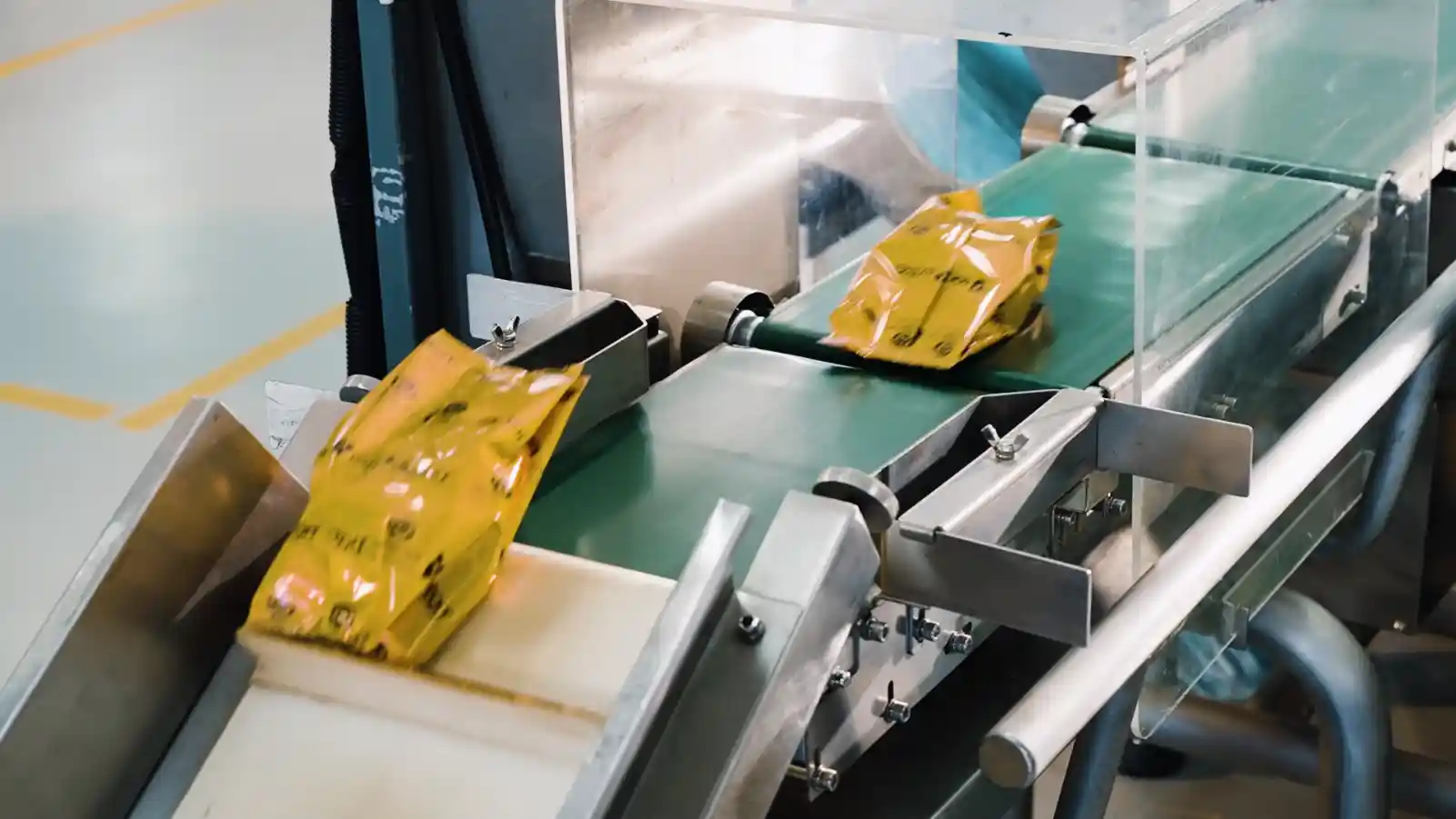
Step 5: Packaging the Tea
Tea packaging depends on how the buyer intends to sell or use the product.
Bulk tea may require commercial packaging suitable for further processing or distribution.
Retail tea may require finished consumer packaging, while private label and white label products require packaging aligned with the buyer’s brand.
OEM projects can involve even more specific packaging requirements because the buyer may have defined the complete product concept.
The exporter or manufacturer therefore needs to coordinate packaging as part of the overall product rather than treating it as a separate final step.
Step 6: Preparing Export Documentation
International tea shipments require appropriate documentation and coordination.
The specific requirements can vary according to the destination country, product and shipping arrangement.
The exporter helps prepare and coordinate the documentation associated with the shipment so that the buyer has the information required for the import process.
This is an important part of international tea supply because incorrect or incomplete documentation can create unnecessary delays.
Step 7: Coordinating International Shipping
Once the tea is manufactured and packed, it needs to be transported from Sri Lanka to the buyer’s destination.
Shipping arrangements depend on factors such as:
Destination country
Shipment size
Delivery requirements
Freight method
Order urgency
Agreed commercial terms
An experienced exporter coordinates the relevant logistics requirements and works with shipping or freight partners to move the order internationally.
Step 8: International Delivery
The final stage is getting the shipment to the agreed destination.
Depending on the commercial arrangement, this may involve delivery to a port, warehouse, distributor, importer or another designated location.
For the buyer, effective export coordination means fewer disconnected stages between placing the order in Sri Lanka and receiving the finished tea in the destination market.
What Can a Sri Lankan Tea Exporter Supply?
The answer depends on the individual exporter’s capabilities.
A full-service tea exporter may support:
Ceylon black tea
Green tea
English Breakfast tea
Tea blends
Herbal and wellness teas
Detox tea products
Bulk tea
Wholesale tea
Private label tea
White label tea
OEM tea products
Custom tea packaging
This range allows different types of international businesses to use the same sourcing relationship for different commercial requirements.
Tea Exporter vs Tea Supplier: What Is the Difference?
The terms are sometimes used interchangeably, but there is an important distinction.
A tea supplier primarily answers the question:
Can you supply the tea I need consistently?
A tea exporter answers a broader question:
Can you supply the tea and get it from Sri Lanka to my international market?
An exporter therefore needs to understand not only tea supply but also the requirements involved in international shipment.
For international buyers, working with a company capable of both supply and export can simplify the purchasing process.
Can a Tea Exporter Manufacture My Own Brand?
Yes, if the exporter also provides manufacturing services.
This is where private label and OEM manufacturing become relevant.
With private label tea, a business can develop or select a tea product and sell it under its own brand.
With white label tea, an existing product can typically be branded and sold under another company’s identity.
With OEM tea manufacturing, the buyer provides specific requirements and the manufacturer produces the tea according to those specifications.
These models allow international brands to source finished tea products from Sri Lanka without establishing their own tea production facilities.
Why Is Supply Consistency Important?
A tea exporter is not simply responsible for getting one shipment to its destination.
For commercial buyers, the real test is whether the exporter can support future orders.
A retailer that sells a particular tea product needs to reorder it. A distributor needs dependable stock. A tea brand needs consistency across its product range.
This makes production capacity, sourcing reliability, quality control and communication important considerations when selecting an export partner.
What Should International Buyers Look for in a Tea Exporter?
Before choosing a supplier, international buyers should establish whether the exporter can meet their complete requirements.
Key questions include:
What tea products can you supply?
Can you provide samples?
Can you supply commercial quantities?
Can you support ongoing orders?
Can you manufacture custom blends?
Do you provide private label services?
Do you offer white label products?
Can you manufacture to OEM specifications?
What packaging formats are available?
What quality control procedures are followed?
Can you handle export documentation?
Can you coordinate international shipping?
What are the minimum order quantities and lead times?
The answers help distinguish an exporter capable of supporting a long-term commercial relationship from one that simply handles individual shipments.
Frequently Asked Questions
What does a tea exporter in Sri Lanka do?
A tea exporter sources and supplies tea from Sri Lanka to international buyers while coordinating processes such as manufacturing, packaging, export documentation and international shipping.
Can a Sri Lankan tea exporter manufacture tea?
Some exporters also operate as tea manufacturers or have manufacturing capabilities. These businesses may provide blending, private label, white label and OEM tea production.
Can I buy bulk tea from a Sri Lankan exporter?
Yes. International buyers can source bulk and wholesale tea from Sri Lankan exporters, depending on the supplier’s available products, quantities and commercial terms.
Can a tea exporter provide private label products?
Yes. Tea exporters with manufacturing and packaging capabilities can support private label tea products for international brands.
Does a tea exporter arrange international shipping?
Exporters can coordinate the requirements involved in international shipping, including documentation and logistics arrangements. The exact service depends on the exporter’s commercial model and the agreed shipping terms.
What is the role of a tea exporter in international tea supply?
The exporter’s role is to connect Sri Lankan tea production with international buyers and coordinate the stages required to turn that tea into a product that can be commercially supplied to another country.
Conclusion
A tea exporter in Sri Lanka can play a much broader role than simply arranging international shipping.
From sourcing Ceylon tea and developing blends to manufacturing, packaging, documentation and delivery, the exporter can coordinate the supply chain between Sri Lanka and the international buyer.
Venture Tea supports this process by providing tea sourcing, manufacturing, blending, packaging and export capabilities for businesses looking to bring Sri Lankan tea products into international markets.
For buyers seeking a dependable long-term tea supply partner, understanding the full role of the exporter is an important first step in choosing the right supplier.