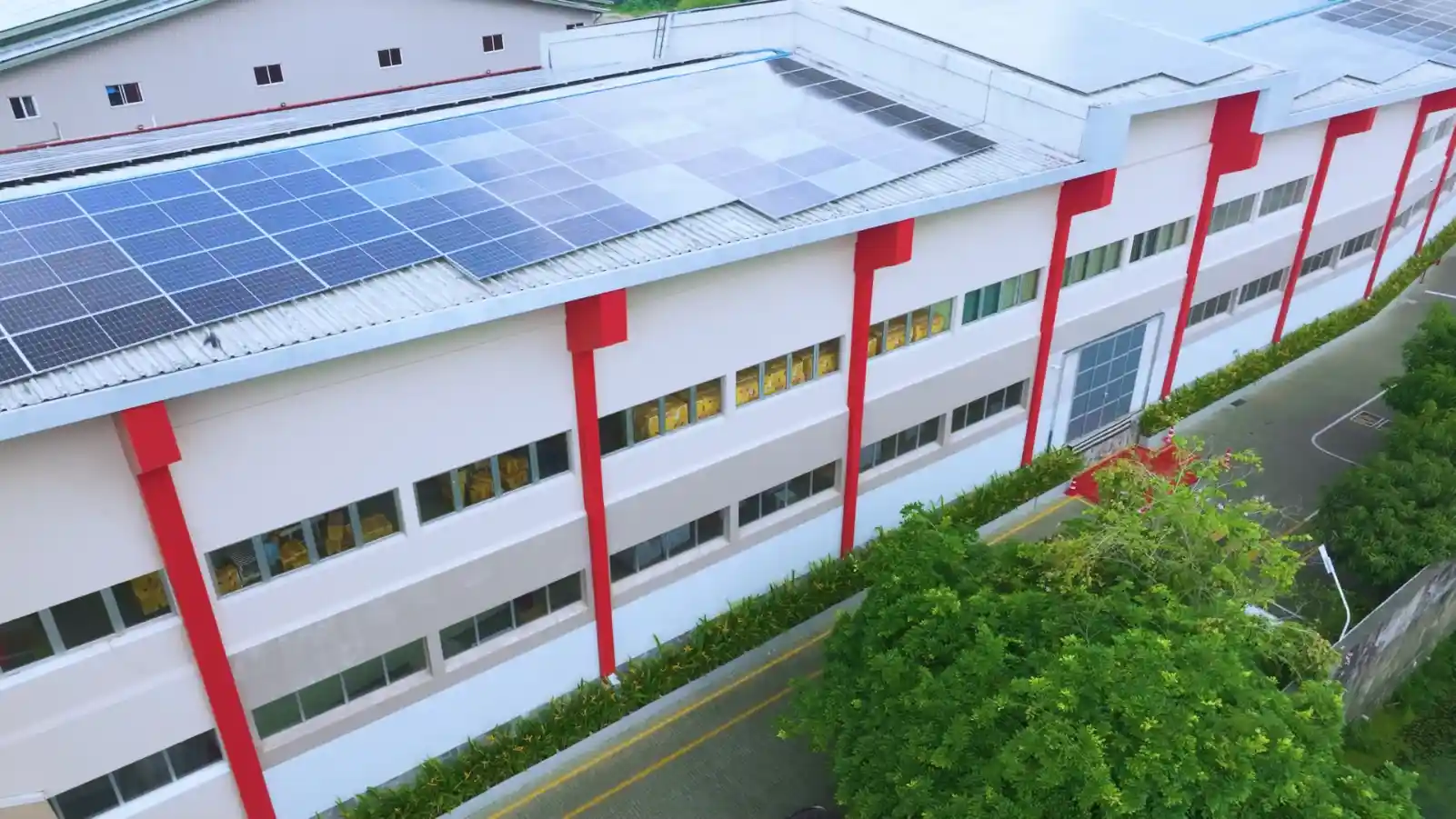
Sustainability has become an increasingly important consideration for tea brands, retailers, distributors and consumers. For businesses sourcing tea internationally, the question is no longer simply “Can you manufacture it?” but also “How responsibly is it produced?”
Sri Lanka’s long-established tea industry provides an important foundation for businesses looking to source Ceylon Tea and manufacture finished tea products. For global buyers, sustainable tea manufacturing involves looking at the entire supply chain — from tea cultivation and raw material sourcing through processing, blending, packaging and export.
A responsible tea manufacturing partner should be able to explain how sustainability is incorporated into the production process and how the business can support the buyer’s own environmental and commercial objectives.
What Is Sustainable Tea Manufacturing?
Sustainable tea manufacturing means producing tea while considering the environmental, social and economic impacts of the production process.
It is not limited to one activity such as using recyclable packaging.
A more complete approach can consider:
- Responsible sourcing
- Efficient use of resources
- Waste reduction
- Energy consumption
- Water management
- Packaging choices
- Supply-chain efficiency
- Product quality
- Long-term supplier relationships
- Responsible business practices
The exact sustainability measures will vary between manufacturers and products.
For buyers, the important point is to understand what a manufacturer actually does rather than relying on broad claims about being “green” or “sustainable.”
Why Does Sustainable Tea Manufacturing Matter?
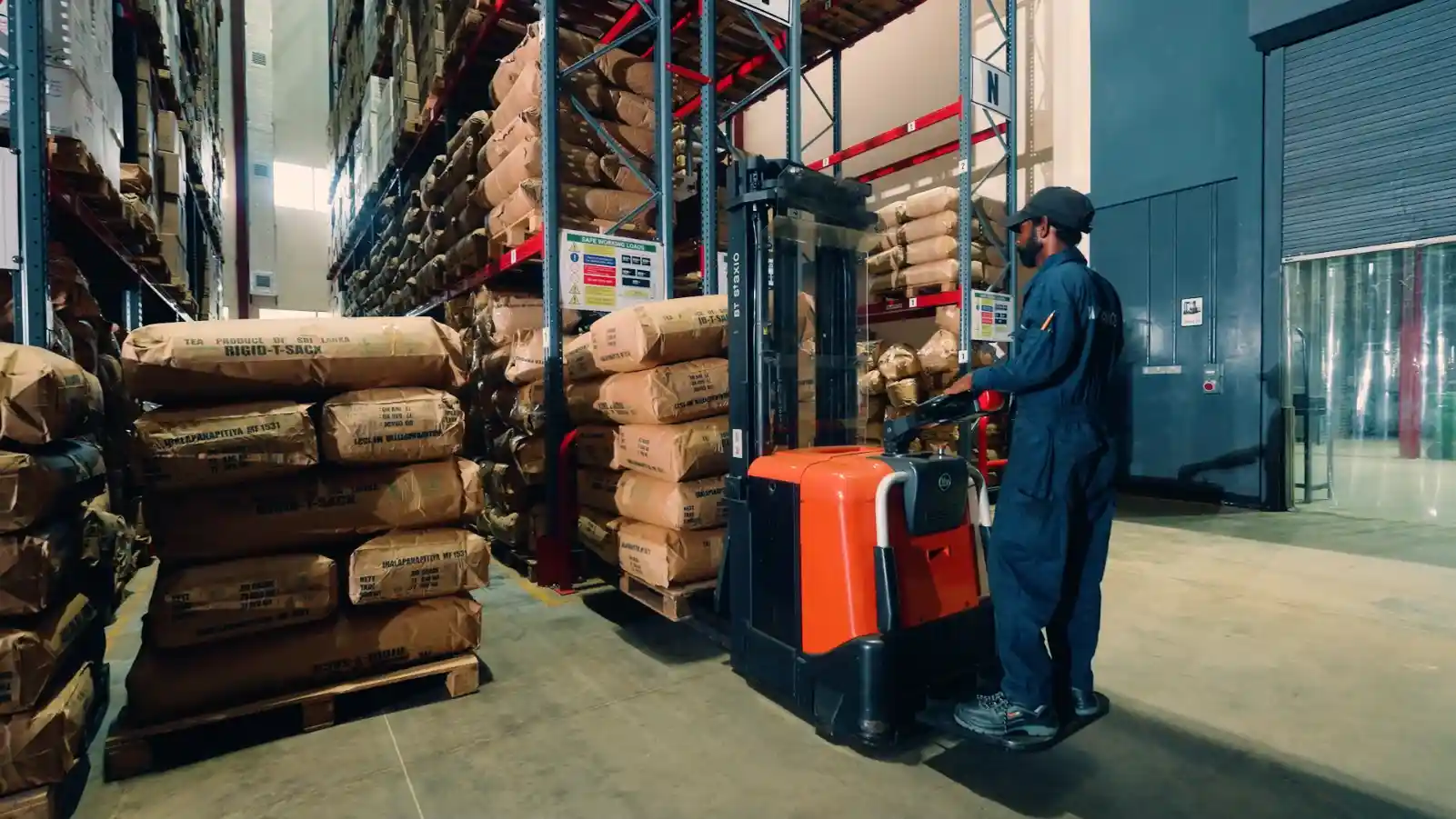
Tea is an agricultural product, so its environmental footprint begins long before the finished tea reaches a retail shelf.
The supply chain can involve:
Tea cultivation → Processing → Manufacturing → Blending → Packaging → Transport → Distribution
Every stage can create opportunities to improve efficiency and reduce unnecessary waste.
For brands, working with a manufacturer that takes a responsible approach can also help support their own sustainability objectives.
1. Responsible Tea Sourcing
Sustainability begins with the raw materials.
A manufacturer sourcing tea from established tea-growing regions can consider factors such as:
- Origin
- Supplier relationships
- Quality
- Responsible agricultural practices
- Traceability
- Consistency of supply
For Ceylon Tea, origin is particularly important because Sri Lanka has an established tea-growing and processing industry.
Responsible sourcing helps connect the finished product to a more transparent supply chain.
2. Efficient Tea Manufacturing
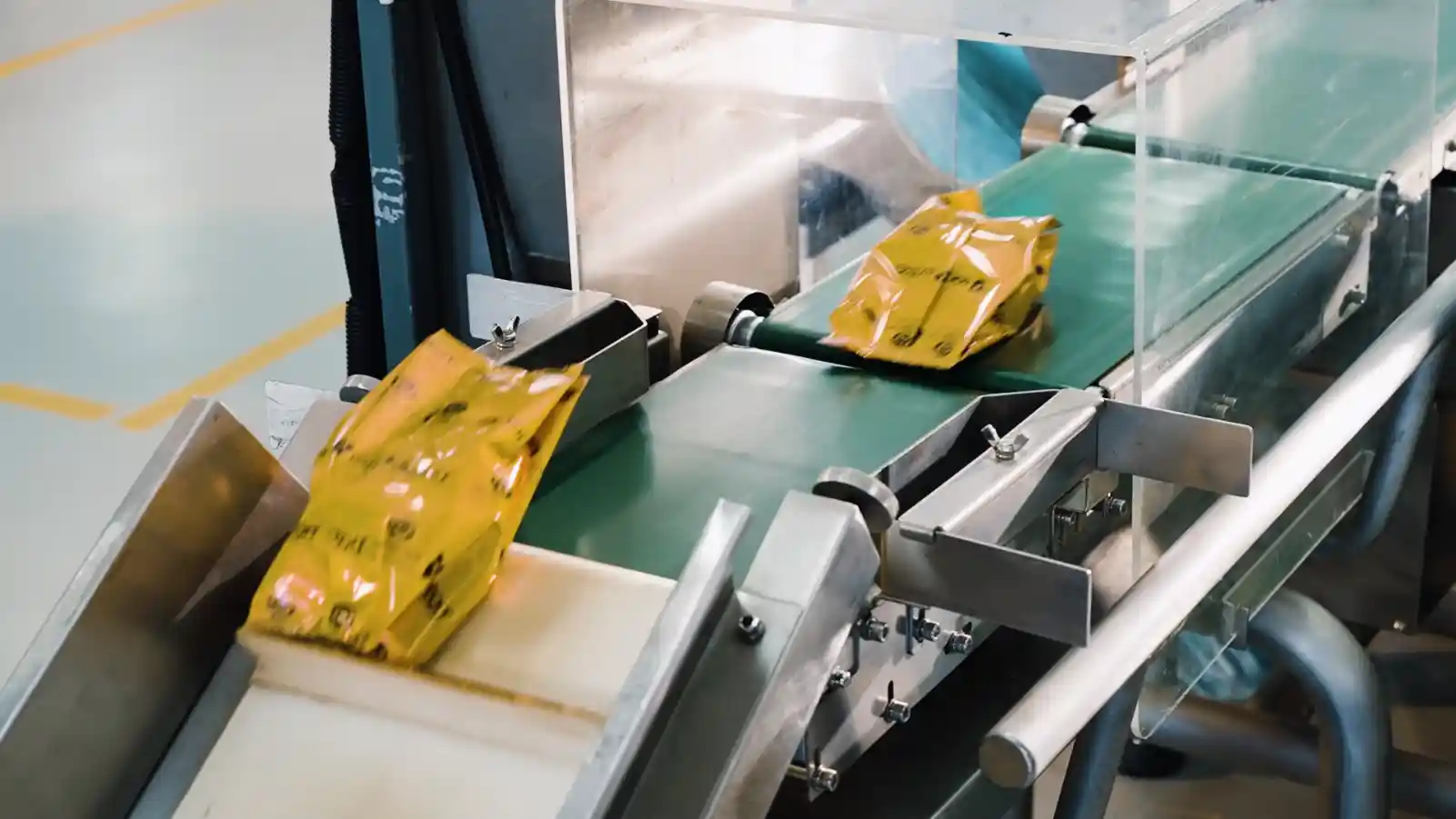
Manufacturing efficiency can reduce unnecessary consumption of resources while maintaining product quality.
Efficient production can involve careful management of:
- Raw materials
- Energy
- Water
- Production time
- Packaging materials
- Manufacturing waste
The objective is not simply to reduce costs. Efficient manufacturing can also reduce avoidable resource consumption.
For a commercial buyer, this can become particularly relevant when production volumes increase.
3. Reducing Manufacturing Waste
Tea manufacturing can generate different types of waste, including unused raw materials, packaging materials and production waste.
A responsible manufacturing operation can look for opportunities to reduce waste through:
- Accurate production planning
- Efficient blending
- Appropriate batch sizes
- Material optimisation
- Reuse or recycling where practical
- Better inventory management
Reducing waste can benefit both the environment and the efficiency of the supply chain.
4. Sustainable Tea Packaging
Packaging is one of the most visible sustainability considerations for consumers.
Tea products can require several layers of packaging, including tea bags, wrappers, cartons, pouches and shipping materials.
For brands, packaging decisions can therefore have a significant impact on the overall product.
Depending on the product and destination market, manufacturers may be able to offer different packaging approaches that consider:
- Material usage
- Recyclability
- Packaging weight
- Product protection
- Shelf life
- Transport efficiency
However, packaging should not be selected based on sustainability alone. It also needs to protect the tea and meet the applicable food-safety and product requirements.
5. Sustainable Tea Bags
Tea bag products introduce additional packaging considerations.
Depending on the product format, a tea bag can include the filter material, string, tag, envelope and outer carton.
Brands interested in more sustainable tea bags should discuss the available materials and formats with their manufacturer.
The right choice depends on the product, manufacturing process, performance requirements and destination market.
6. Responsible Use of Resources
Manufacturing facilities use resources to produce and package tea.
Responsible production can involve monitoring and managing resource consumption, including energy and water.
For a tea manufacturer, resource efficiency can be approached through better production planning, equipment management and process optimisation.
For buyers, asking a manufacturer about its resource-management practices can provide a more realistic understanding of its sustainability approach.
7. Sustainable Supply Chains
Sustainability also involves the wider supply chain.
A tea product may involve:
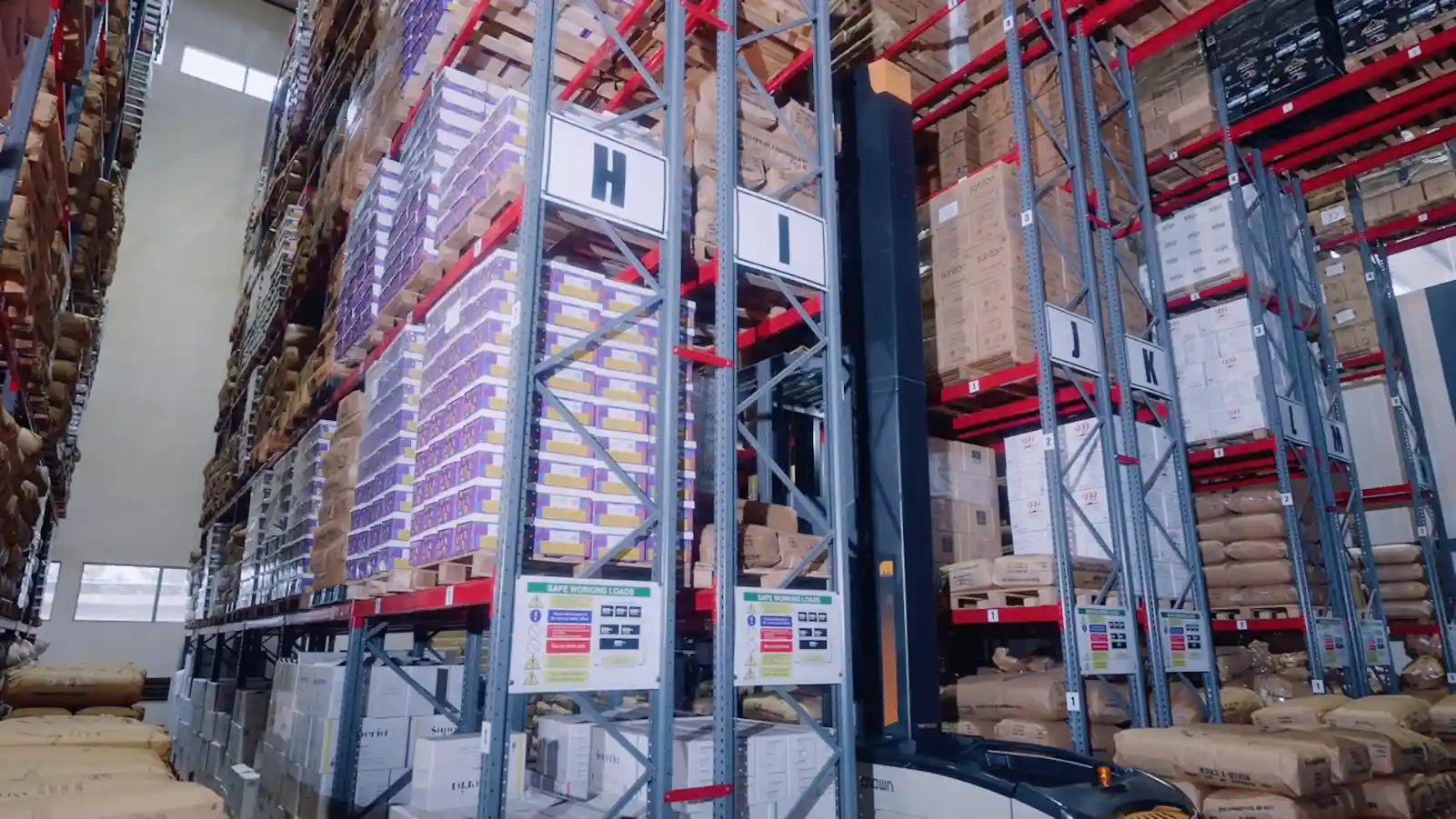
Tea growers → Processors → Manufacturer → Packaging suppliers → Exporter → Distributor → Retailer
The more efficiently these stages are coordinated, the easier it can be to reduce unnecessary handling, transport and waste.
For international brands, working with a manufacturer that can combine multiple stages of production can potentially simplify the supply chain.
8. Quality and Sustainability Go Together
A sustainable product still needs to be a high-quality product.
If tea is inconsistent, damaged or poorly packed, it may result in customer complaints, returns or wasted product.
Quality control therefore has an indirect sustainability role.
Producing the correct product consistently helps reduce:
- Rejected batches
- Product waste
- Returns
- Repackaging
- Unnecessary replacement shipments
For a manufacturer, sustainability should therefore support — rather than compromise — product quality.
9. Private Label and Sustainable Tea Products
Brands developing their own tea products increasingly want sustainability to form part of their product identity.
Private label manufacturing can provide an opportunity to incorporate sustainability considerations into the product from the beginning.
A brand can discuss requirements relating to:
- Tea sourcing
- Ingredients
- Packaging
- Tea bag materials
- Pack size
- Shipping efficiency
- Product positioning
The manufacturer can then determine which requirements are practical and available within the production process.
10. White Label Sustainable Tea
White label manufacturing generally starts with an existing tea product.
If sustainability is important to the buyer, the first step should be understanding how the existing product is manufactured and packaged.
This can include asking about:
- Ingredient sourcing
- Packaging materials
- Production processes
- Available certifications
- Product documentation
If the existing product does not meet the buyer’s requirements, private label or OEM manufacturing may provide greater flexibility.
11. OEM Tea Manufacturing and Sustainability
OEM manufacturing can provide more control because the product is manufactured according to the buyer’s specifications.
A buyer can therefore include sustainability-related requirements in the overall product brief where practical.
These might involve:
- Packaging specifications
- Material preferences
- Pack sizes
- Product format
- Ingredient requirements
- Supply-chain considerations
The manufacturer can then assess these requirements alongside technical, regulatory and commercial considerations.
Sustainable Tea Manufacturing for Wholesale Buyers
Wholesale buyers often purchase larger quantities, making manufacturing efficiency particularly important.
At higher volumes, small differences in packaging weight, material usage, production efficiency and transport can become significant.
Wholesale buyers should therefore consider sustainability alongside:
- Production capacity
- Consistency
- Minimum order quantities
- Packaging
- Lead times
- Shipping
- Product quality
The goal is to establish a supply model that is commercially viable and responsible over the long term.
Sustainable Tea Manufacturing for Export
International supply adds another part to the sustainability equation: transportation.
A finished tea product may travel from Sri Lanka to a distributor, warehouse or retailer in another country.
Efficient packaging and shipment planning can help avoid unnecessary use of materials and space.
However, export sustainability needs to be balanced against the requirements for protecting the product during international transportation.
For international buyers, it is therefore useful to discuss packaging and shipping requirements with the manufacturer at the beginning of the project rather than after the product has been developed.
Certifications and Sustainability Claims
Certifications can provide useful evidence of specific standards or practices, but buyers should not assume that every tea manufacturer has the same certifications.
If a brand requires a particular certification, standard or sustainability claim, it should be confirmed directly with the manufacturer and supported by the appropriate documentation.
The same applies to claims such as:
- Organic
- Fair trade
- Sustainable
- Eco-friendly
- Carbon neutral
- Responsibly sourced
These terms can have specific meanings depending on the market and certification framework.
For a commercial tea brand, sustainability claims should therefore be based on evidence rather than marketing language alone.
What Should You Ask a Sustainable Tea Manufacturer?
Before selecting a manufacturing partner, global tea buyers can ask practical questions.
Where is the tea sourced?
Understanding the origin and supply chain of the raw tea is an important starting point.
How is production waste managed?
Ask what happens to unused tea, packaging materials and other production waste.
What packaging options are available?
Discuss recyclable, reduced-material or otherwise suitable packaging options for the target market.
How is quality maintained?
Consistent quality reduces product waste and unnecessary returns.
Can you support sustainable packaging requirements?
If your brand has specific packaging objectives, confirm whether the manufacturer can accommodate them.
Can you provide documentation?
If your brand requires certification or evidence supporting a sustainability claim, establish what documentation is available.
Can you manufacture according to our specifications?
This is particularly important for private label and OEM projects where sustainability requirements form part of the product brief.
Why Venture Tea?
Venture Tea supports businesses looking to source and manufacture tea products from Sri Lanka for local and international markets.
For brands concerned about responsible production, sustainability considerations can be incorporated into discussions around:
- Tea sourcing
- Blending
- Manufacturing
- Packaging
- Private label products
- White label products
- OEM manufacturing
- Wholesale supply
- Export
The exact options available will depend on the product and manufacturing requirements.
For Venture Tea’s customers, the objective is to create tea products that balance quality, commercial practicality, product requirements and responsible production considerations.
Frequently Asked Questions
What is sustainable tea manufacturing?
Sustainable tea manufacturing considers the environmental, social and economic impact of producing tea, including sourcing, resource use, waste, packaging and supply-chain practices.
Is Ceylon Tea sustainable?
Ceylon Tea comes from an established tea-growing industry in Sri Lanka, but sustainability should be assessed based on the specific farm, supplier, manufacturer and production practices rather than assumed solely from the country of origin.
Can I create a sustainable private label tea?
Yes. Sustainability requirements can be considered during private label product development, particularly around sourcing, packaging and manufacturing.
Can tea packaging be made more sustainable?
Depending on the product and destination market, manufacturers may be able to offer packaging options that reduce material use or improve recyclability. The packaging still needs to protect the product and meet applicable requirements.
Can I request sustainable packaging for OEM tea manufacturing?
Yes. Packaging specifications can form part of an OEM product brief, subject to the manufacturer’s available materials and technical capabilities.
Can sustainable tea be manufactured for wholesale?
Yes. Sustainable production considerations can be incorporated into wholesale tea manufacturing, particularly where large production volumes make resource and packaging efficiency more significant.
Can sustainable tea products be exported from Sri Lanka?
Yes. Tea manufactured in Sri Lanka can be prepared for international markets. Export packaging and sustainability requirements should be established according to the destination country.
Responsible Manufacturing Is More Than a Label
Sustainable tea manufacturing should not be reduced to a single claim printed on a package.
It involves looking at the complete journey of the product — from the sourcing of tea and botanical ingredients through manufacturing, quality control, packaging and international distribution.
For global tea buyers, the best approach is to ask specific questions and request evidence where sustainability claims are important to the business.
Venture Tea provides a manufacturing route for businesses sourcing tea products from Sri Lanka, including wholesale, private label, white label and OEM tea manufacturing.
For brands seeking to build more responsible tea products, the conversation should begin before production:
Where are the ingredients sourced?
How is the product manufactured?
How can waste and unnecessary material use be reduced?
What packaging options are available?
Can the product be manufactured according to our requirements?
Can the finished tea be supplied consistently to our market?
Responsible tea manufacturing is ultimately about building a supply chain that works not only for today’s order, but for the long-term future of the brand, the manufacturer and the markets they serve.