Choosing the right tea exporter in Sri Lanka is an important decision for any international business planning to source Ceylon tea.
The cheapest supplier is not necessarily the best choice. For a long-term tea business, buyers need to consider product quality, supply consistency, manufacturing capabilities, packaging, export support and the supplier’s ability to meet changing business requirements.
Whether you are looking for bulk Ceylon tea, wholesale supply, private label tea, white label products or OEM manufacturing, the right exporter should be able to support the requirements of your business.
What Should You Look for in a Sri Lankan Tea Exporter?
A good tea exporter should answer more than one question.
It is not enough to ask, “Can you supply tea?”
International buyers should also ask:
Can you supply the tea consistently?
Can you manufacture or blend it?
Can you package it for my market?
Can you manufacture under my brand?
Can you export it to my country?
Can you support increasing order volumes?
Can you maintain the required product specification?
The answers provide a much clearer picture of whether an exporter is suitable for a long-term business relationship.
1. Check the Tea Products They Can Supply
Start by understanding the exporter’s product range.
Depending on your business, you may require Ceylon black tea, green tea, English Breakfast, tea blends, herbal and wellness teas, detox teas or other specialty products.
A broader product range can be useful if you plan to expand your tea portfolio over time.
However, variety should not come at the expense of quality. The exporter should be able to clearly explain the characteristics and specifications of the products they supply.
2. Consider Tea Quality and Consistency
Quality is one of the most important factors when selecting a tea exporter.
But international buyers should think beyond the first sample.
A sample may be excellent, but the more important question is whether future commercial orders can maintain the same agreed specification.
For a tea brand or distributor, inconsistent tea can create customer complaints, product variation and problems with repeat purchasing.
Ask the exporter how they manage product specifications and quality throughout production and supply.
3. Look at Their Supply Capabilities
A tea exporter should be able to provide realistic information about availability, order quantities and ongoing supply.
This is particularly important if the tea will become part of a regular product range.
Ask about:
Minimum order quantities
Production capacity
Typical lead times
Repeat orders
Seasonal considerations
Bulk supply
Wholesale supply
A supplier that can meet your first order but cannot support future demand may not be the right long-term partner.
4. Find Out Whether They Manufacture Tea
Some buyers only need bulk tea. Others need a finished product.
If you are developing your own tea brand, it can be advantageous to work with an exporter that also has tea manufacturing capabilities.
Manufacturing may include:
Tea blending
Product development
Custom tea preparation
Retail packaging
Private label manufacturing
White label products
OEM production
This can reduce the number of separate suppliers involved in your supply chain.
5. Ask About Private Label Tea
If you want to sell tea under your own brand, ask whether the exporter provides private label manufacturing.
Private label allows a business to develop tea products for its own brand without establishing its own manufacturing facility.
Depending on the project, the process may include selecting or developing the tea, creating the required blend, packaging the product and preparing it for export.
For a growing tea brand, this can be a more practical approach than purchasing generic tea and trying to manage manufacturing independently.
6. Ask About White Label Tea
White label is another option for businesses that want to launch branded tea products.
Instead of creating a completely new product, the buyer can select an existing tea product and sell it under its own branding, depending on the supplier’s available products and terms.
White label can be particularly useful for businesses looking for a simpler product development process.
The key question is whether the exporter’s existing product range matches your target market.
7. Consider OEM Manufacturing
OEM is more appropriate when you already know exactly what you want to manufacture.
You may have specifications relating to:
Tea type
Blend composition
Ingredients
Flavour
Product format
Packaging
Other product requirements
An OEM tea manufacturer produces the product according to those specifications.
If your business has a defined tea concept, choosing an exporter with OEM capabilities can give you greater control over the finished product.
8. Check Packaging Capabilities
Packaging is an important part of international tea supply.
A buyer may require bulk packaging for distribution or finished retail packaging for direct sale to consumers.
Private label and OEM projects may also require specific packaging formats, labels and product presentation.
Before choosing an exporter, confirm whether they can provide the packaging format you require or coordinate it as part of the manufacturing process.
9. Understand Their Export Support
A tea supplier and a tea exporter are not necessarily the same thing.
If you are buying internationally, the company should understand the requirements involved in moving tea from Sri Lanka to your destination market.
Ask how they handle:
Export documentation
Shipping coordination
Freight arrangements
Commercial documentation
Destination requirements
Communication during shipment
The more clearly these responsibilities are defined before an order, the fewer surprises there are later.
10. Consider Communication and Responsiveness
This is often underestimated.
International tea supply involves specifications, samples, packaging approvals, production schedules, shipping arrangements and repeat orders.
If communication is slow or unclear, even a good tea product can become difficult to manage commercially.
Look for an exporter that answers questions clearly, provides realistic information and communicates when there are changes or delays.
You are not simply buying tea. You are potentially establishing a long-term supply relationship.
11. Compare More Than Price
Price matters, but it should not be the only deciding factor.
A lower initial price may become expensive if the supplier delivers inconsistent quality, has unreliable lead times or cannot support future orders.
Instead, compare the complete commercial proposition:
Product quality + consistency + manufacturing + packaging + supply reliability + export support + price
This gives a more realistic view of the value provided by each exporter.
12. Ask About Samples Before Placing a Commercial Order
Samples can help international buyers evaluate whether a tea product meets their requirements.
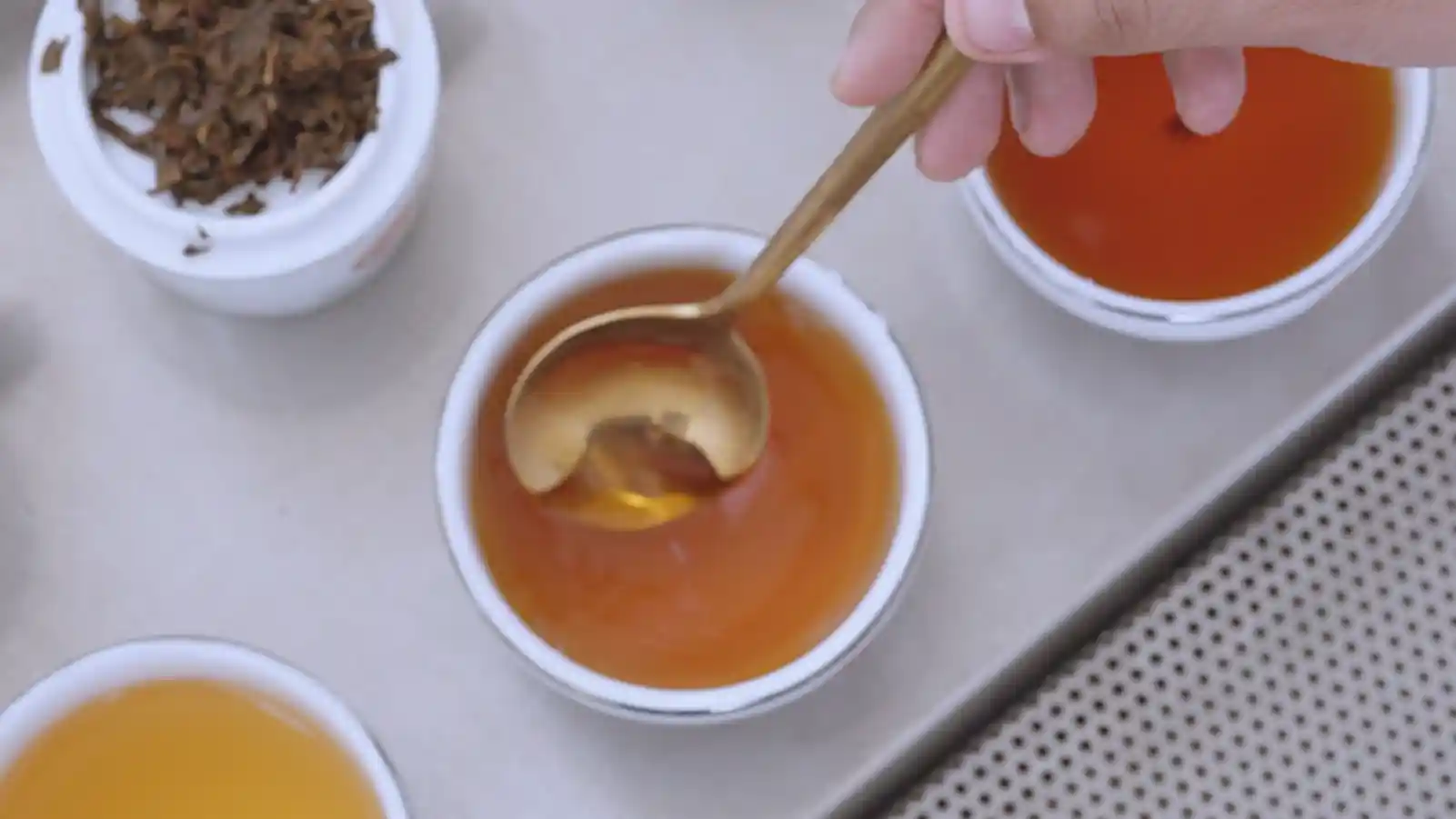
Depending on the project, you may want to assess:
Appearance
Aroma
Taste
Strength
Blend characteristics
Packaging
Overall product suitability
For custom or private label products, sample development can also help establish the desired specification before larger production begins.
13. Think About Your Future Requirements
Your first order may not represent your long-term needs.
A business might initially require a small wholesale order but later need larger quantities, additional tea varieties or a private label product range.
Choosing an exporter that can grow with the business can therefore be more valuable than choosing a supplier based solely on the requirements of the first shipment.
Questions to Ask a Sri Lankan Tea Exporter
Before committing to a supplier, international buyers should consider asking:
What types of Ceylon tea do you supply?
Can you supply bulk and wholesale quantities?
What are your minimum order quantities?
Can you provide samples?
Can you develop custom tea blends?
Do you offer private label tea?
Do you provide white label products?
Can you manufacture according to OEM specifications?
What packaging formats can you provide?
How do you maintain quality and consistency?
Can you support repeat and increasing orders?
What export documentation do you provide?
Can you coordinate international shipping?
What are your typical production lead times?
Which international markets do you currently supply?
These questions can help you evaluate whether the exporter is capable of supporting your business rather than simply fulfilling one order.
Why Choose Venture Tea as a Sri Lankan Tea Exporter?
Venture Tea supports international businesses looking to source tea from Sri Lanka across different commercial requirements.
The company combines tea sourcing with manufacturing, blending, packaging and export capabilities.
This allows buyers to explore different supply models depending on their needs, including:
Bulk tea supply
Wholesale tea
Private label tea
White label tea
OEM tea manufacturing
Custom tea blends
Finished retail tea products
For international businesses, having these capabilities available through one Sri Lankan partner can simplify the process of developing and supplying tea products for their markets.
Frequently Asked Questions
How do I choose a tea exporter in Sri Lanka?
Compare exporters based on tea quality, consistency, supply capacity, manufacturing capabilities, packaging, export support, lead times, communication and overall commercial value rather than price alone.
What should I ask a Ceylon tea exporter?
Ask about the available tea types, minimum order quantities, samples, quality control, supply capacity, packaging, private label, white label, OEM manufacturing, export documentation and international shipping.
Should I choose a tea supplier or tea exporter?
If you are buying tea internationally, an exporter that can also provide reliable supply is often more practical because they can support both the product and the international shipping process.
Can I find a private label tea manufacturer in Sri Lanka?
Yes. Sri Lankan tea manufacturers can provide private label products for international businesses, depending on their manufacturing and packaging capabilities.
Is OEM tea manufacturing available in Sri Lanka?
Yes. Businesses with specific tea product requirements can work with suitable Sri Lankan manufacturers to produce tea according to agreed OEM specifications.
Is the cheapest tea exporter the best option?
Not necessarily. Product consistency, supply reliability, manufacturing capability, packaging and export support can have a much greater impact on the long-term cost and success of a tea business.
Conclusion
Choosing a tea exporter in Sri Lanka should be treated as a business decision rather than simply a purchasing decision.
The right partner should be able to provide the tea you need, maintain consistent quality, support your required quantities, manufacture or package the product when necessary and coordinate its export to your market.
For businesses planning to build a long-term tea supply relationship, Venture Tea provides a combination of tea sourcing, manufacturing, blending, packaging and export capabilities.
Whether you need bulk Ceylon tea, wholesale supply, private label tea, white label products or OEM manufacturing, evaluating the exporter’s complete capabilities will help you choose a partner that can support your business as it grows.