Buying tea from Sri Lanka can give international businesses direct access to Ceylon tea and a wide range of tea manufacturing possibilities. However, international tea sourcing involves more than choosing a product and placing an order.
Buyers need to understand the different supply options, product specifications, quantities, packaging, quality requirements, manufacturing models and export arrangements before selecting a Sri Lankan tea supplier or exporter.
For businesses planning to build a long-term tea product range, understanding these factors can make the sourcing process much more straightforward.
Why Buy Tea from Sri Lanka?
Sri Lanka has an established tea industry and is internationally recognised for Ceylon tea.
Tea is produced in different regions of the country, with differences in growing conditions contributing to different tea characteristics and flavour profiles.
For international buyers, this creates opportunities to source a variety of products, including Ceylon black tea, green tea, tea blends, English Breakfast tea, herbal and wellness teas and other specialised products.
The key is finding a Sri Lankan tea exporter or manufacturer whose capabilities match the buyer’s requirements.
What Can International Buyers Purchase from Sri Lanka?
International businesses can source tea in several different formats.
Bulk Tea
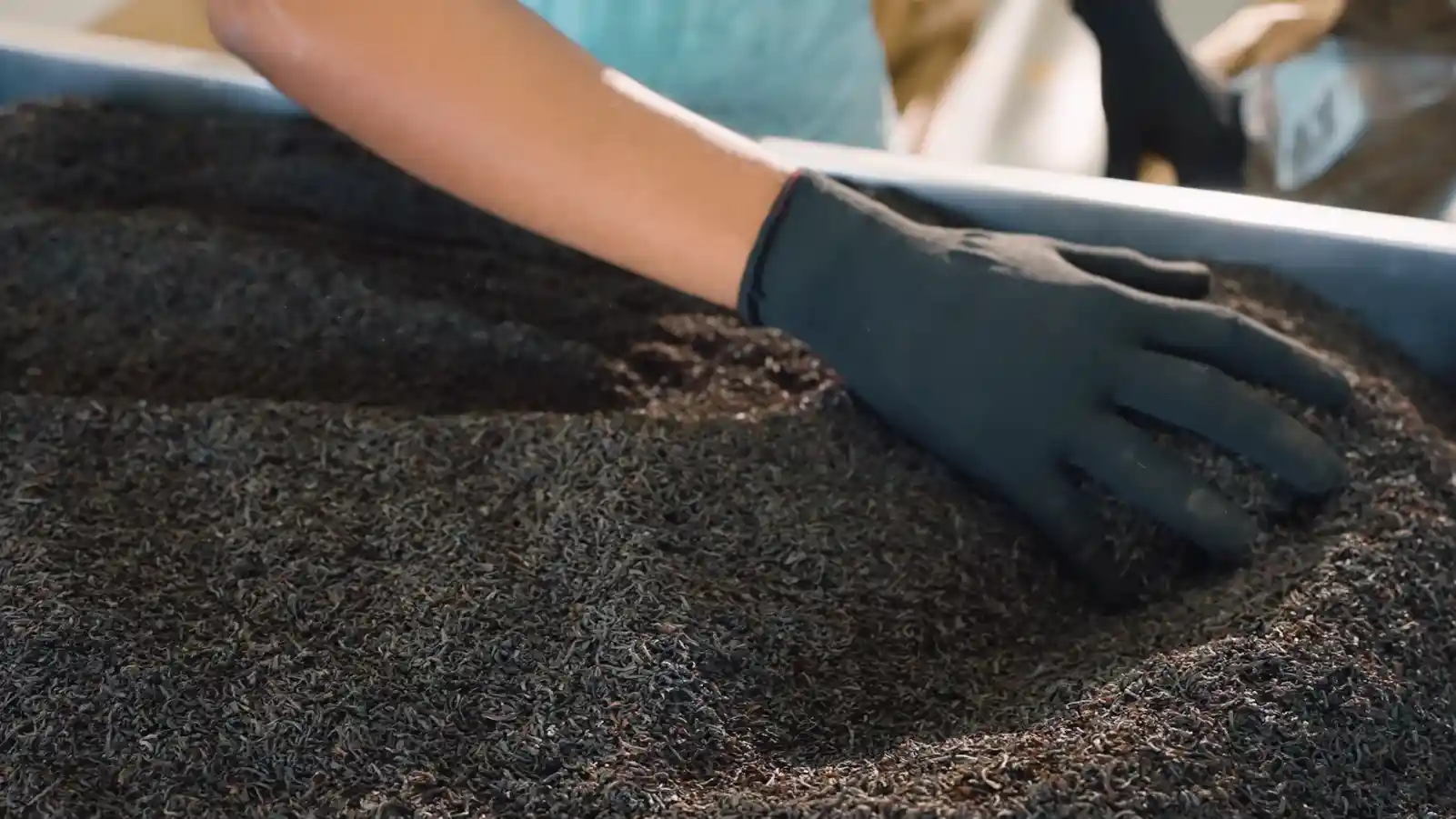
Bulk tea is generally purchased by businesses that intend to distribute, blend, process or package the tea themselves.
This can be suitable for tea wholesalers, distributors, manufacturers and larger commercial buyers.
Wholesale Tea
Wholesale tea supply is suitable for businesses purchasing tea in commercial quantities for resale or distribution.
The exact order quantities, packaging and commercial terms depend on the supplier.
Finished Retail Tea
Businesses that do not want to handle the packaging process themselves can source finished tea products prepared for retail markets.
These products can be supplied in consumer-ready formats depending on the manufacturer’s capabilities.
Private Label Tea
Private label allows an international business to sell a tea product under its own brand.
The product can be developed, manufactured and packaged according to the buyer’s requirements.
White Label Tea
White label generally involves an existing tea product that can be branded and sold under the buyer’s identity.
This can be useful for businesses looking for a simpler route to market.
OEM Tea
OEM manufacturing is suitable for buyers with specific product requirements.
The manufacturer produces the tea according to agreed specifications covering areas such as the blend, ingredients, flavour, packaging and product format.
Understand What You Are Actually Buying
Before requesting a price, international buyers should define the product as clearly as possible.
A request such as “I need Ceylon tea” may not be enough.
The exporter may need to know:
What type of tea?
What flavour profile?
What strength?
What grade or specification?
What quantity?
What packaging format?
Is it for retail or bulk use?
Is it for an existing brand?
Is it a private label or OEM product?
Which country will it be sold in?
The clearer the requirement, the easier it is for the exporter to recommend a suitable product and prepare an accurate quotation.
Tea Quality and Consistency
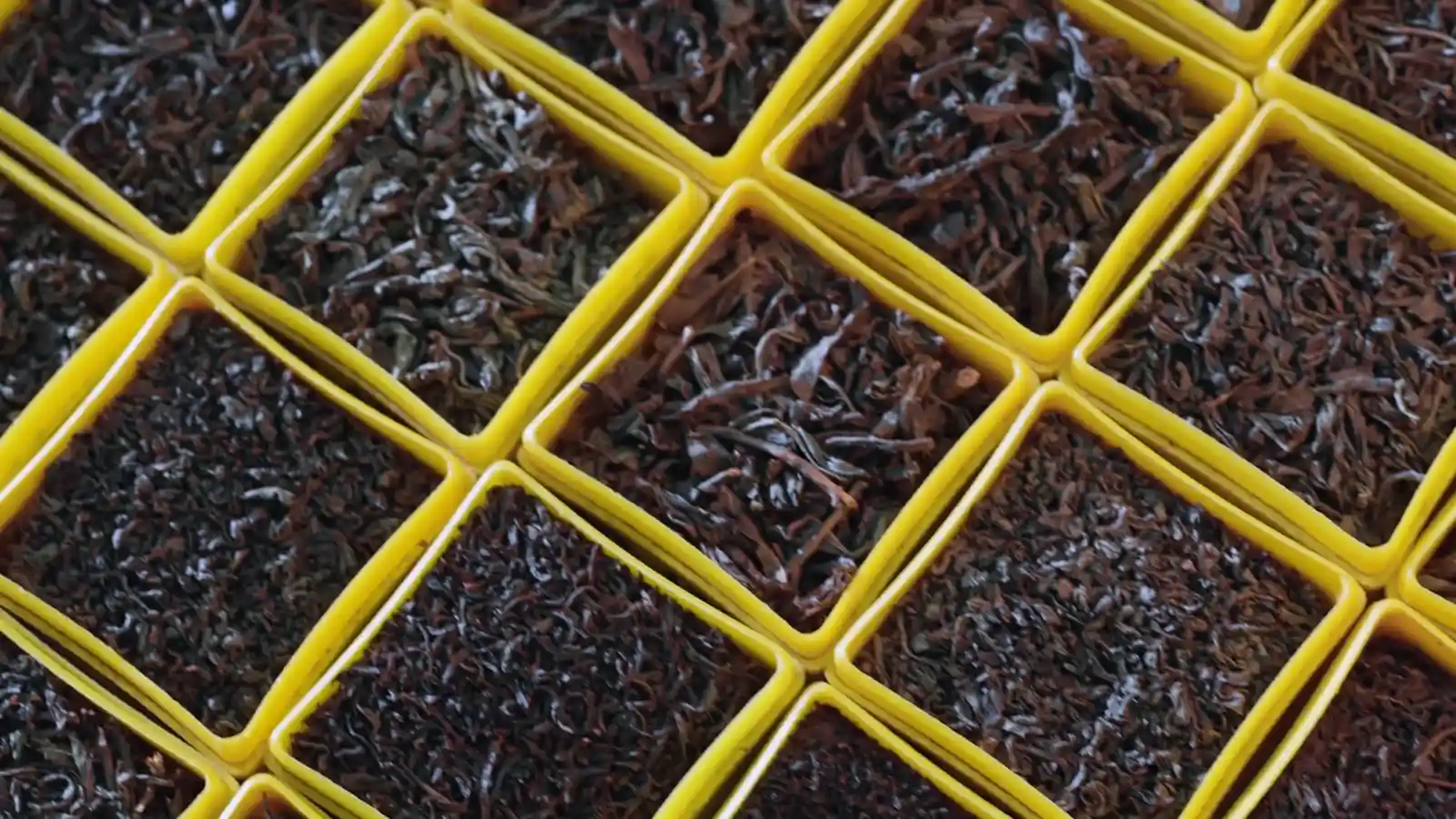
International buyers should evaluate both quality and consistency.
The first sample needs to meet expectations, but future commercial shipments also need to remain within the agreed product specification.
This is particularly important for retailers and brands because consumers expect the same product when they purchase it repeatedly.
Before placing a large order, discuss how the exporter manages product specifications and quality throughout production.
Minimum Order Quantities
Every tea exporter or manufacturer may have different minimum order requirements.
Minimum quantities can vary depending on whether you are purchasing:
Bulk tea
Wholesale tea
Finished retail products
Private label products
White label products
OEM products
Custom products may have higher minimum quantities because they can require dedicated production, packaging and materials.
International buyers should confirm the MOQ before investing significant time in product development.
Packaging Requirements
Packaging should be considered early in the sourcing process.
Different markets and sales channels can require different packaging formats.
A distributor may want bulk packaging, while a retailer may need individual consumer packs.
Private label and OEM buyers may require specific packaging materials, formats, labels and branding.
The exporter should be able to explain which packaging options are available and what information is required to prepare the finished product.
Private Label, White Label and OEM Are Different
International buyers often use these terms interchangeably, but they represent different approaches.
Private Label
You create a tea product for your own brand, with the manufacturer supporting the development and production of the product.
White Label
You select an existing tea product and sell it under your own branding.
OEM
You provide specific requirements for the product, and the manufacturer produces the tea according to those specifications.
Understanding the difference helps buyers choose the right manufacturing model.
Export and Shipping Requirements
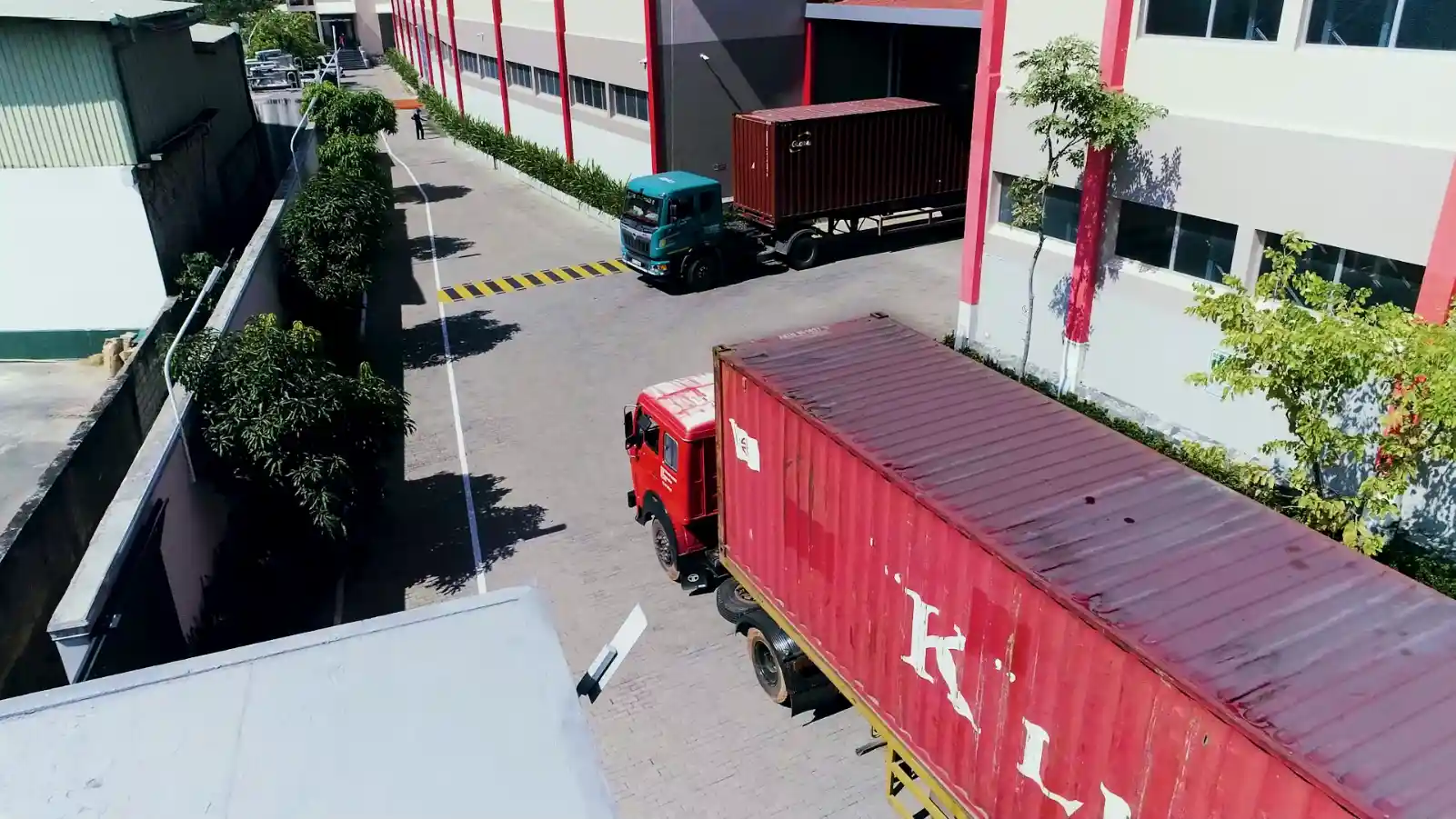
Buying tea from Sri Lanka also means considering how the product will reach your country.
The export process can involve:
Commercial documentation
Product documentation
Packaging requirements
Export procedures
Freight arrangements
Shipping
Import requirements in the destination market
The exact requirements depend on the product, destination and commercial arrangement.
A professional tea exporter should be able to explain which aspects they handle and which responsibilities remain with the buyer or importer.
Lead Times Matter
International buyers should not assume that tea can always be manufactured and shipped immediately.
Lead times can depend on:
Product availability
Order quantity
Custom blending
Packaging
Label approval
Production scheduling
Export documentation
Shipping arrangements
This is particularly important for businesses that need to maintain inventory in another country.
Ask the exporter for realistic production and shipping timelines before confirming an order.
Think About Long-Term Supply
The first order is only one part of an international tea business.
If you are launching a tea brand, your supplier may eventually need to support larger quantities and additional products.
Before choosing an exporter, consider whether they can grow with your business.
Ask about their ability to support:
Repeat orders
Increased volumes
Additional tea products
New blends
New packaging formats
Private label expansion
OEM product development
A supplier that can support your future requirements can be much more valuable than one that only meets your immediate needs.
What Should International Buyers Ask a Sri Lankan Tea Exporter?
Before placing an order, ask the exporter:
What types of tea can you supply?
Can you provide samples?
What are your minimum order quantities?
Can you supply consistently?
Can you provide bulk and wholesale tea?
Can you manufacture custom blends?
Do you provide private label tea?
Do you offer white label products?
Can you manufacture according to OEM specifications?
What packaging options are available?
How is quality controlled?
What are the production lead times?
What export documentation is provided?
Can you coordinate international shipping?
Can you support increasing order volumes?
Getting clear answers to these questions can prevent many problems later in the purchasing process.
Why Work Directly with a Sri Lankan Tea Exporter?
Buying directly from a Sri Lankan tea exporter can simplify communication between the buyer and the country of origin.
Instead of sourcing the tea through multiple intermediaries, international buyers can work with a company that understands Sri Lankan tea production and international export requirements.
If the exporter also provides manufacturing and packaging services, the relationship can cover several stages of the supply chain.
This can be especially valuable for businesses developing private label or OEM tea products.
Why International Buyers Choose Venture Tea
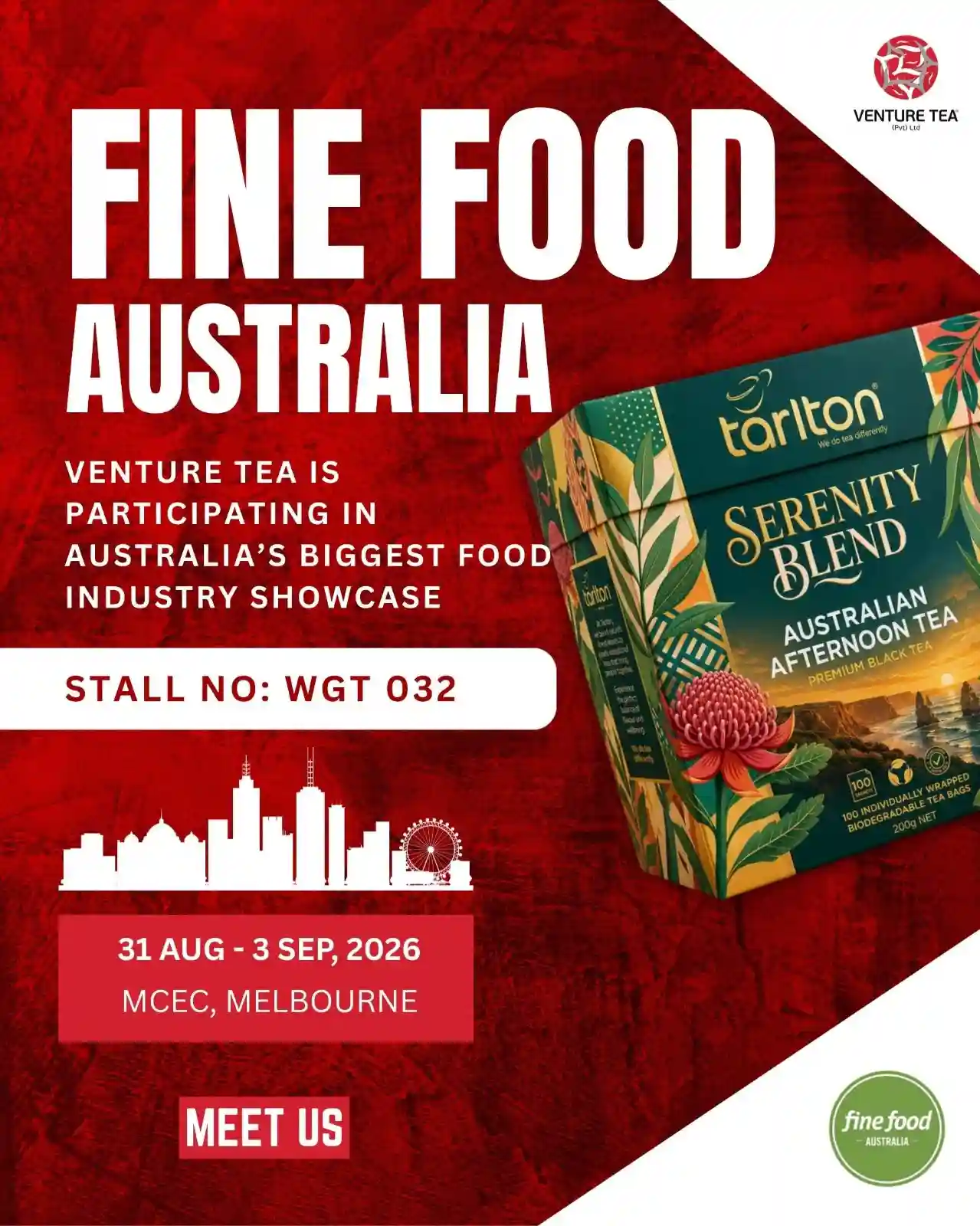
Venture Tea supports businesses looking to source tea from Sri Lanka for international markets.
Its capabilities cover different stages of the tea supply process, including sourcing, manufacturing, blending, packaging and export.
This allows businesses to choose a supply model based on their requirements, whether they need bulk Ceylon tea, wholesale supply, finished tea products, private label tea, white label products or OEM manufacturing.
The objective is to provide international buyers with a reliable Sri Lankan partner capable of supporting both their immediate order and their longer-term tea supply requirements.
Frequently Asked Questions
Can foreigners buy tea directly from Sri Lanka?
Yes. International businesses can purchase tea from Sri Lankan tea exporters and manufacturers for commercial use, distribution, retail and branded tea products.
What type of tea can I buy from Sri Lanka?
International buyers can source Ceylon black tea, green tea, English Breakfast and other blends, herbal and wellness teas, detox products and other tea products depending on the supplier.
Can I import bulk Ceylon tea?
Yes. Bulk Ceylon tea can be sourced from Sri Lankan exporters for wholesale, distribution, manufacturing and other commercial applications.
Can I create my own tea brand in Sri Lanka?
Yes. International businesses can use private label or OEM manufacturing services to create tea products under their own brand.
Is white label tea available from Sri Lanka?
White label tea may be available from Sri Lankan manufacturers that offer existing tea products suitable for rebranding.
What is the MOQ for tea from Sri Lanka?
There is no single MOQ for all Sri Lankan tea exporters. The minimum quantity depends on the supplier, product, packaging and whether the tea is a standard or customised product.
How do I find a reliable tea exporter in Sri Lanka?
Compare exporters based on tea quality, consistency, manufacturing capabilities, product range, packaging, minimum quantities, lead times, export support and their ability to provide ongoing supply.
Conclusion
International buyers should approach tea sourcing from Sri Lanka as a complete supply-chain decision rather than simply a product purchase.
The right exporter should be able to provide the required tea, maintain consistent quality, meet commercial quantities, support packaging and manufacturing requirements and coordinate the export process.
Whether you need bulk Ceylon tea, wholesale supply, a private label tea range, white label products or an OEM tea product, understanding your requirements before approaching an exporter will make the sourcing process more efficient.
Venture Tea provides international buyers with access to Sri Lankan tea alongside manufacturing, blending, packaging and export capabilities, helping businesses develop and supply tea products for markets around the world.