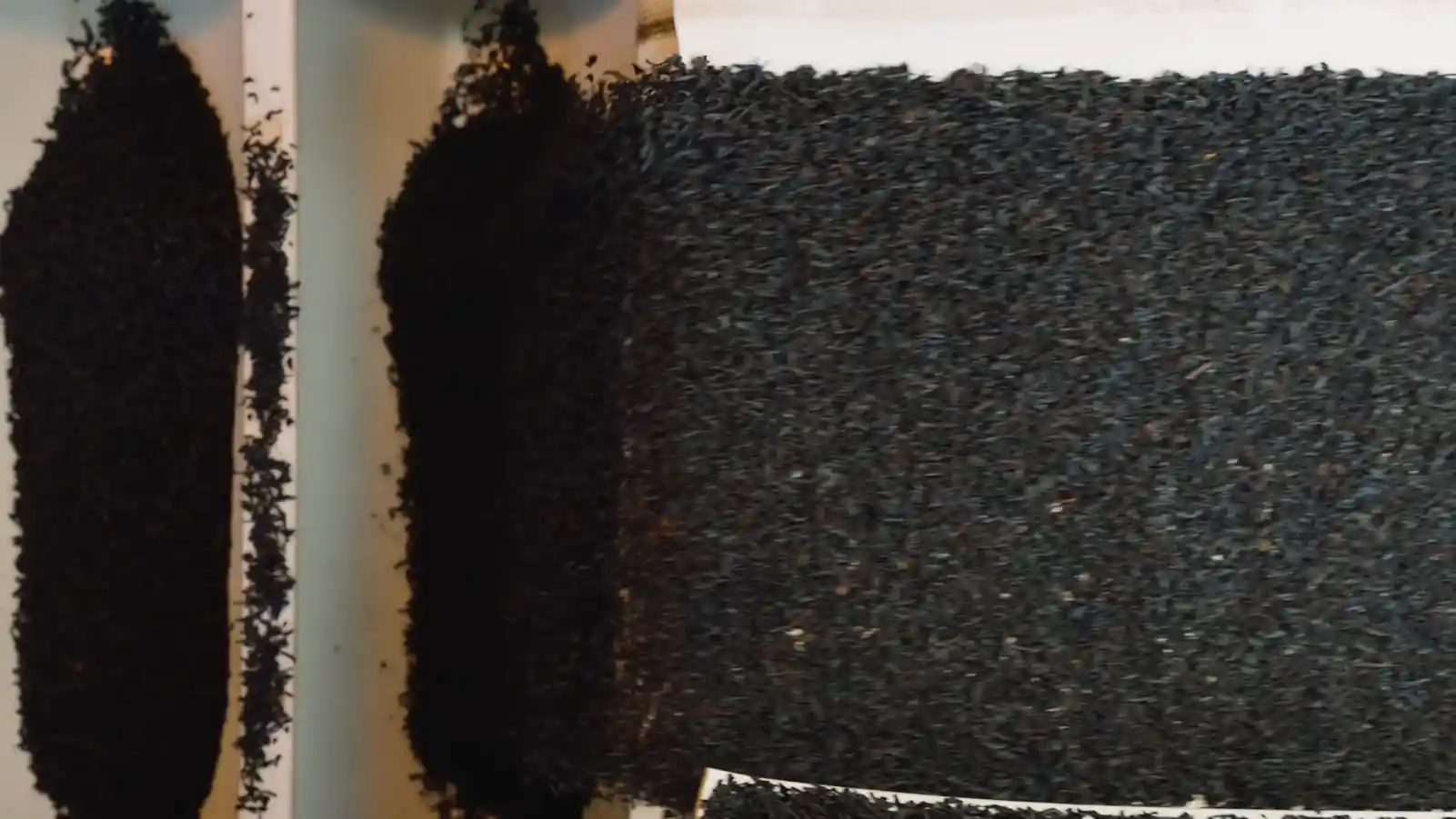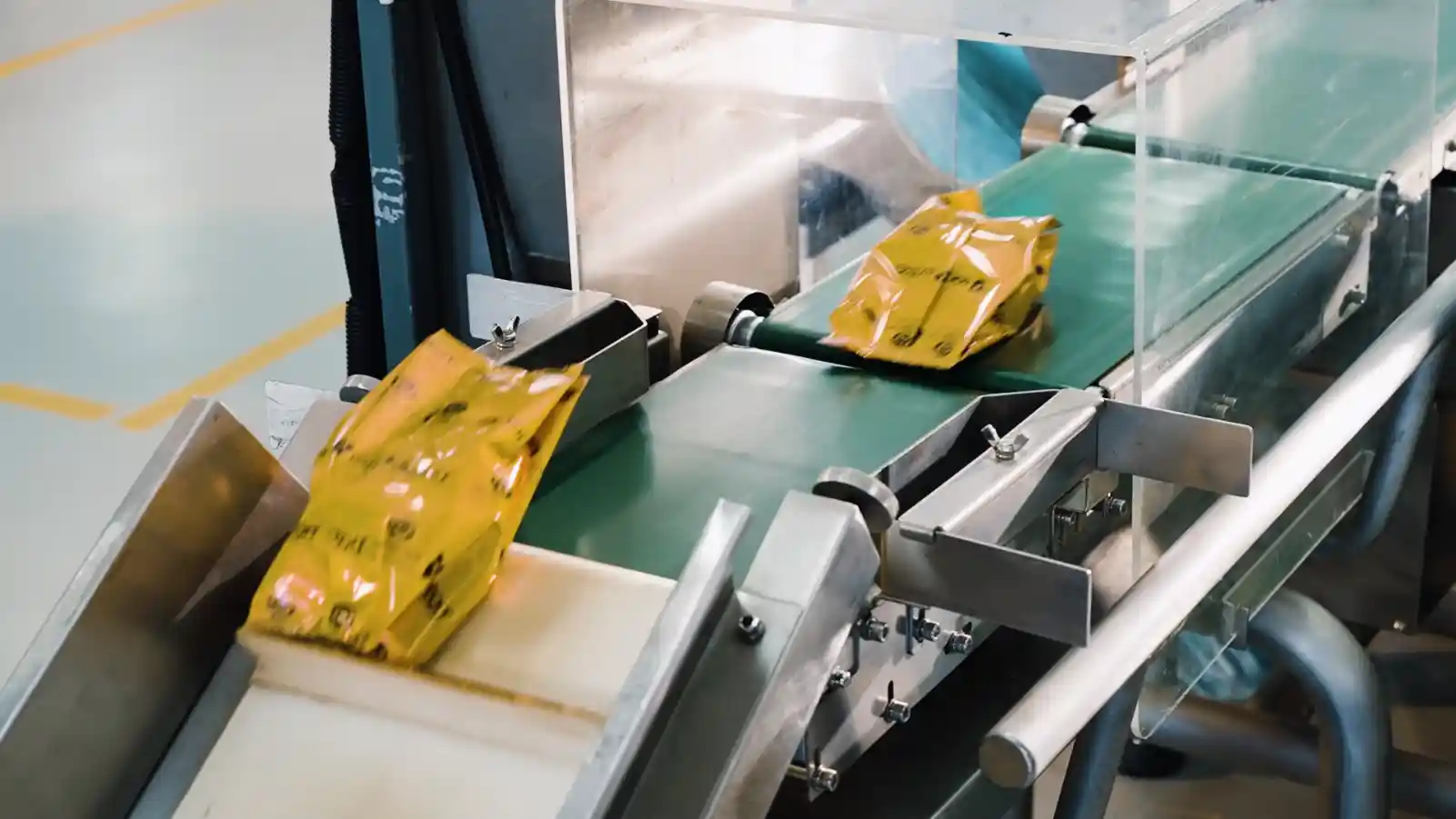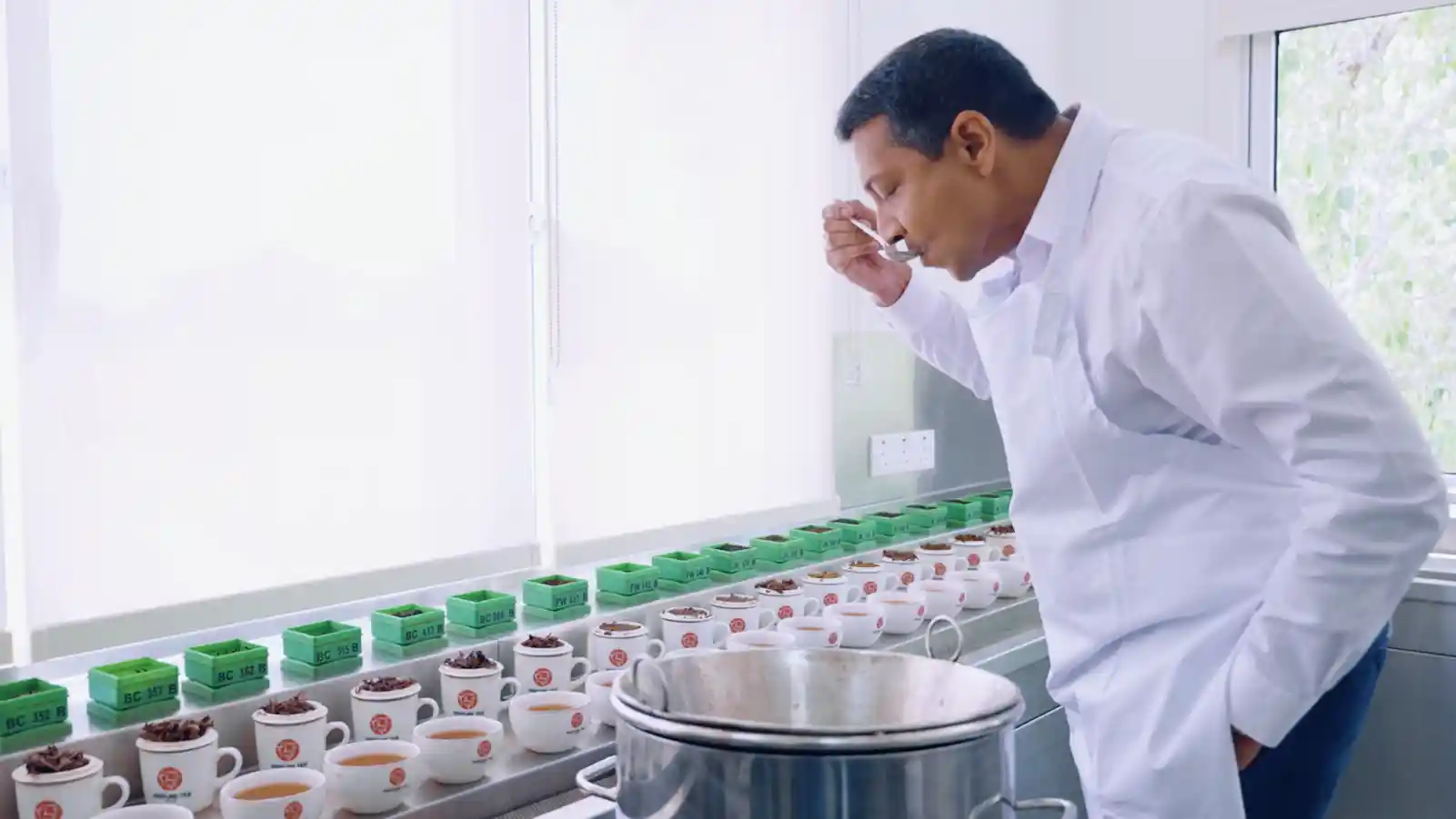
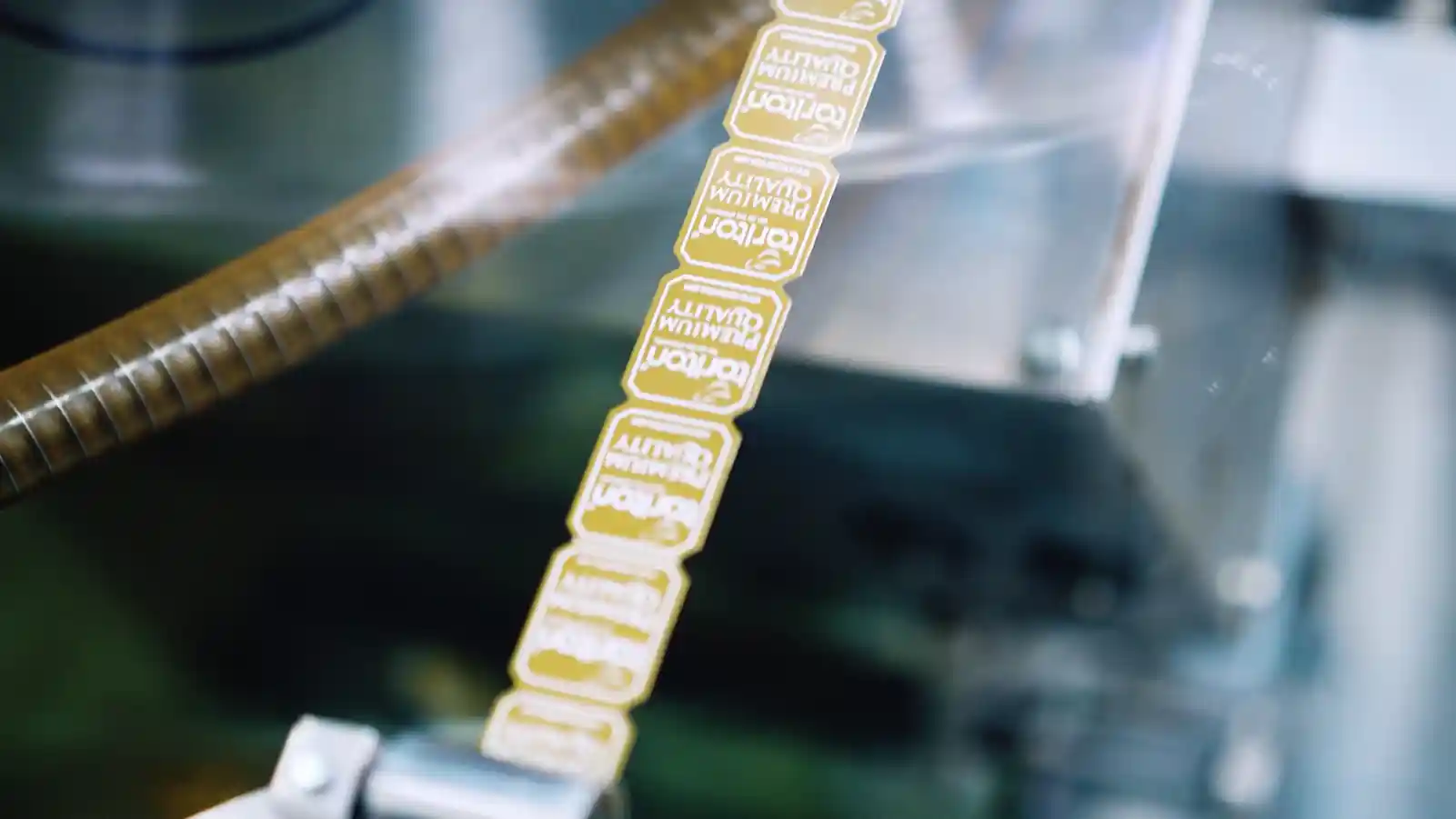
For an international tea brand, sourcing tea from Sri Lanka is only the beginning. Turning Ceylon Tea into a finished product that can be sold in another country requires a manufacturing partner that understands sourcing, blending, packaging, quality control and international supply.
This is where a tea manufacturer in Sri Lanka can provide value beyond simply supplying loose tea.
Venture Tea works with businesses looking to source and manufacture tea products from Sri Lanka for international markets. Depending on the buyer’s requirements, this can include wholesale tea supply, private label manufacturing, white label products and OEM tea manufacturing.
The journey can begin with Ceylon Tea and end with a finished, branded tea product ready for its target market.
Why Source Tea from Sri Lanka?
Sri Lanka is internationally recognised for Ceylon Tea and has an established tea industry covering cultivation, processing, blending, packing and export.
For international brands, sourcing from Sri Lanka can provide access to:
- Ceylon black tea
- Green tea
- English Breakfast blends
- Flavoured teas
- Herbal teas
- Wellness teas
- Speciality blends
- Custom tea products
The important consideration is not simply where the tea comes from, but whether the manufacturer can turn the selected tea into the product the brand actually needs.
What Does Venture Tea Manufacture?
Venture Tea can support different types of tea manufacturing and supply requirements.
Depending on the project, this can include:
Black tea
Traditional Ceylon black tea and commercial black tea blends.
English Breakfast
Blended black tea products developed for classic breakfast tea profiles.
Green tea
Green tea products for retail and speciality markets.
Flavoured tea
Tea combined with suitable flavouring ingredients to create distinctive products.
Herbal tea
Botanical blends using appropriate herbs, flowers, spices and other ingredients.
Wellness tea
Tea and botanical blends developed around wellness-oriented product concepts.
Detox tea
Botanical tea blends developed according to the requirements of the intended market.
Custom blends
Products manufactured according to specific buyer requirements.
Step 1: Understanding the Buyer’s Requirements
International manufacturing begins with understanding what the buyer actually needs.
A brand may already have a finished product specification or may only have a product concept.
The manufacturer needs to establish details such as:
- Tea type
- Blend
- Ingredients
- Flavour
- Product format
- Pack size
- Packaging
- Order quantity
- Target market
- Branding requirements
- Export destination
These details determine the appropriate manufacturing approach.
Step 2: Selecting the Tea
Once the product requirements are established, suitable tea can be selected.
For products based on Ceylon Tea, this may involve choosing teas with characteristics appropriate to the intended flavour profile and product positioning.
Different teas can provide different levels of:
- Strength
- Aroma
- Colour
- Flavour
- Body
- Leaf appearance
The selection process is therefore important when creating a consistent commercial product.
Step 3: Blending and Product Development
Many branded tea products are blends rather than a single tea.
Blending allows the manufacturer to combine different teas or ingredients to achieve the desired product characteristics.
For a custom product, the buyer may have specific requirements relating to:
- Taste
- Aroma
- Strength
- Ingredients
- Appearance
- Brewing characteristics
The manufacturer can then work towards the agreed formulation.
This is particularly relevant to OEM tea manufacturing, where the product needs to be manufactured according to defined specifications.
Step 4: Quality Control
A product intended for international distribution needs to remain consistent from one production batch to another.
Quality control therefore forms an important part of the manufacturing process.
The manufacturer needs to monitor the product against the agreed specifications, including the raw materials, blend and finished product.
For brands, consistency protects the customer experience and helps reduce problems associated with rejected or inconsistent batches.
Step 5: Choosing the Manufacturing Model
Different international buyers require different levels of involvement.
Wholesale Tea Supply
A wholesaler or distributor may simply require tea in commercial quantities.
The manufacturer supplies the agreed product according to the required volume and specifications.
Private Label Tea
A brand may want a finished tea product manufactured and packed under its own brand.
Private label manufacturing can cover tea selection, blending, packaging and branding requirements.
White Label Tea
A business may prefer an existing tea product that can be branded and packaged for its market.
This can provide a simpler route to market.
OEM Tea Manufacturing
An established brand may have detailed requirements for the product and packaging.
OEM manufacturing allows the manufacturer to produce according to those agreed specifications.
The right model depends on how much control and customisation the buyer requires.
Step 6: Packaging the Finished Tea
Packaging needs to protect the tea while presenting the brand appropriately in its target market.
Depending on the product, Venture Tea can work with requirements involving:
- Tea bags
- Loose-leaf tea
- Retail boxes
- Pouches
- Tins
- Sachets
- Bulk packaging
Packaging also needs to accommodate the requirements of the destination country.
This can include product information, ingredient declarations, net quantity, preparation instructions and other required labelling information.
Step 7: Preparing the Product for International Markets
A tea product manufactured in Sri Lanka may ultimately be sold thousands of kilometres away.
This means international requirements need to be considered before production rather than after the product has been manufactured.
The buyer and manufacturer should establish:
- Destination country
- Product requirements
- Packaging requirements
- Labelling requirements
- Documentation
- Export arrangements
- Shipping requirements
Different countries have different regulations, so the final product needs to be prepared for its intended market.
Step 8: Exporting the Finished Tea
Sri Lanka has an established tea export industry, providing an existing foundation for international tea supply.
For a global buyer, the process can therefore follow a straightforward commercial path:
Ceylon Tea → Manufacturing → Packaging → Export → Distribution
The exact export arrangement depends on the buyer, destination and agreed commercial terms.
International buyers should confirm the manufacturer’s specific export capabilities and documentation requirements before placing an order.
Can Venture Tea Supply International Brands Consistently?
For a growing tea brand, the first production run is only the beginning.
Once the product enters the market, the manufacturer needs to support repeat production while maintaining the agreed product specifications.
This makes supply capability an important consideration when choosing a manufacturing partner.
International buyers should discuss:
- Production capacity
- Minimum order quantities
- Lead times
- Repeat orders
- Packaging availability
- Product consistency
- Shipping schedules
A manufacturer should be capable of supporting the commercial relationship beyond the initial shipment.
How Private Label Helps International Brands
Private label manufacturing allows an international business to build its own tea brand without establishing its own tea production facility.
The manufacturer handles the production side while the brand owner focuses on:
- Brand strategy
- Marketing
- Sales
- Distribution
- Customer relationships
For a company entering the tea market, this can significantly reduce the infrastructure required to launch a product.
The brand can source tea from Sri Lanka, have it manufactured and packed under its own identity, and then distribute the finished product in its target market.
How White Label Can Speed Up Market Entry
White label tea can be suitable for businesses that do not need a completely custom product.
Instead of developing a new formulation, the buyer selects an existing tea product and applies its own branding and packaging.
This can reduce the product-development process and allow the business to focus on getting the product into its market.
For businesses testing demand or building an initial product range, white label can be a practical starting point.
When OEM Manufacturing Makes More Sense
OEM manufacturing becomes particularly relevant when the buyer has a specific product concept that cannot be met by an existing product.
For example, the buyer may require:
- A particular tea blend
- Specific botanical ingredients
- A defined flavour profile
- A particular tea bag format
- Custom packaging
- Specific product specifications
The manufacturer works according to those requirements.
This gives established brands greater control over the product they want to bring to market.
What International Buyers Should Look for in a Tea Manufacturer
Choosing a manufacturing partner should involve assessing the complete supply capability.
Can they manufacture?
The manufacturer needs to have the production capability required for your product.
Can they supply consistently?
A manufacturer should be capable of supporting repeat orders as your business grows.
Can they manufacture under your brand?
If you need a branded product, confirm private label capabilities.
Can they manufacture according to your specifications?
For customised products, confirm OEM and product-development capabilities.
Can they supply wholesale quantities?
If you are a distributor or wholesaler, establish production capacity and minimum order requirements.
Can they export?
International buyers should confirm export experience, documentation and shipment arrangements.
Why Choose Venture Tea?
Venture Tea provides a manufacturing and supply route for businesses looking to source tea products from Sri Lanka for local and international markets.
The company can support different buyer requirements, including:
- Tea sourcing
- Ceylon Tea
- Black tea
- Green tea
- Herbal tea
- Wellness tea
- Detox tea
- Tea blending
- Private label tea
- White label tea
- OEM tea manufacturing
- Wholesale supply
- Retail packaging
- Export-oriented production
This allows the manufacturing relationship to be structured around the buyer’s actual business model.
A distributor may need bulk supply.
A retailer may require private label products.
An established brand may need OEM manufacturing.
A new business may want white label tea to enter the market quickly.
An international importer may require finished tea prepared for export.
Frequently Asked Questions
Can Venture Tea manufacture tea for international brands?
Yes. Venture Tea supports businesses seeking tea manufacturing and supply solutions from Sri Lanka, including branded tea products for international markets.
Can Venture Tea manufacture private label tea?
Yes. Private label manufacturing allows businesses to sell tea under their own brand while production and packing are handled by the manufacturer.
Can Venture Tea manufacture OEM tea?
OEM manufacturing can be used for products requiring specific blend, ingredient, packaging or product specifications.
Can I buy tea wholesale from Sri Lanka?
Yes. Wholesale buyers can source tea in commercial quantities, subject to product availability, minimum order quantities and production capacity.
Can Venture Tea manufacture herbal and wellness teas?
Venture Tea can support herbal, wellness and other speciality tea requirements depending on the ingredients, formulation and product specifications.
Can tea manufactured in Sri Lanka be exported?
Yes. Sri Lanka has an established tea export industry, and finished tea products can be prepared for international markets subject to destination-market requirements.
What is the difference between private label, white label and OEM tea?
Private label generally involves producing tea for sale under a specific brand. White label typically uses an existing product that is branded for the buyer. OEM manufacturing is more specification-driven and involves producing according to the buyer’s defined requirements.
From Sri Lanka to Your Market
For an international tea brand, the journey from Ceylon Tea to a finished retail product involves much more than buying tea.
It requires a manufacturing partner capable of connecting:
Sourcing → Blending → Manufacturing → Quality Control → Packaging → Branding → Export
That is the value of working with an experienced tea manufacturer and exporter in Sri Lanka.
Venture Tea supports businesses at different stages of this journey, whether they need wholesale tea supply, a private label product, a white label range or a fully customised OEM tea solution.
For global buyers, the essential questions remain simple:
Can you supply it consistently?
Can you manufacture it under my brand?
Can you manufacture it according to my requirements?
Can you supply it in commercial quantities?
When those questions are answered clearly, Ceylon Tea can become more than a raw material. It can become the foundation of a finished tea brand ready for international markets.