For international tea buyers, sourcing tea from Sri Lanka involves more than finding a suitable product and arranging an international shipment. Quality, packaging and supply consistency all have a direct impact on the success of a tea business.
Sri Lanka is internationally recognised for Ceylon tea, giving global buyers access to an established tea origin and a broad range of products. However, the value of sourcing from Sri Lanka depends heavily on choosing an exporter that can meet the buyer’s requirements consistently.
Venture Tea supports international businesses with tea sourcing, manufacturing, blending, packaging and export capabilities, helping buyers develop and supply tea products for international markets.
What Should Global Buyers Consider When Exporting Tea from Sri Lanka?
There are three areas that deserve particular attention:
Quality — Does the tea meet the required product specification?
Packaging — Is the tea packaged appropriately for the destination market and intended sales channel?
Supply — Can the exporter provide the same product consistently and support future orders?
These factors are closely connected. A high-quality tea is of limited commercial value if it cannot be supplied consistently or packaged appropriately for the intended market.
Tea Quality When Buying from Sri Lanka
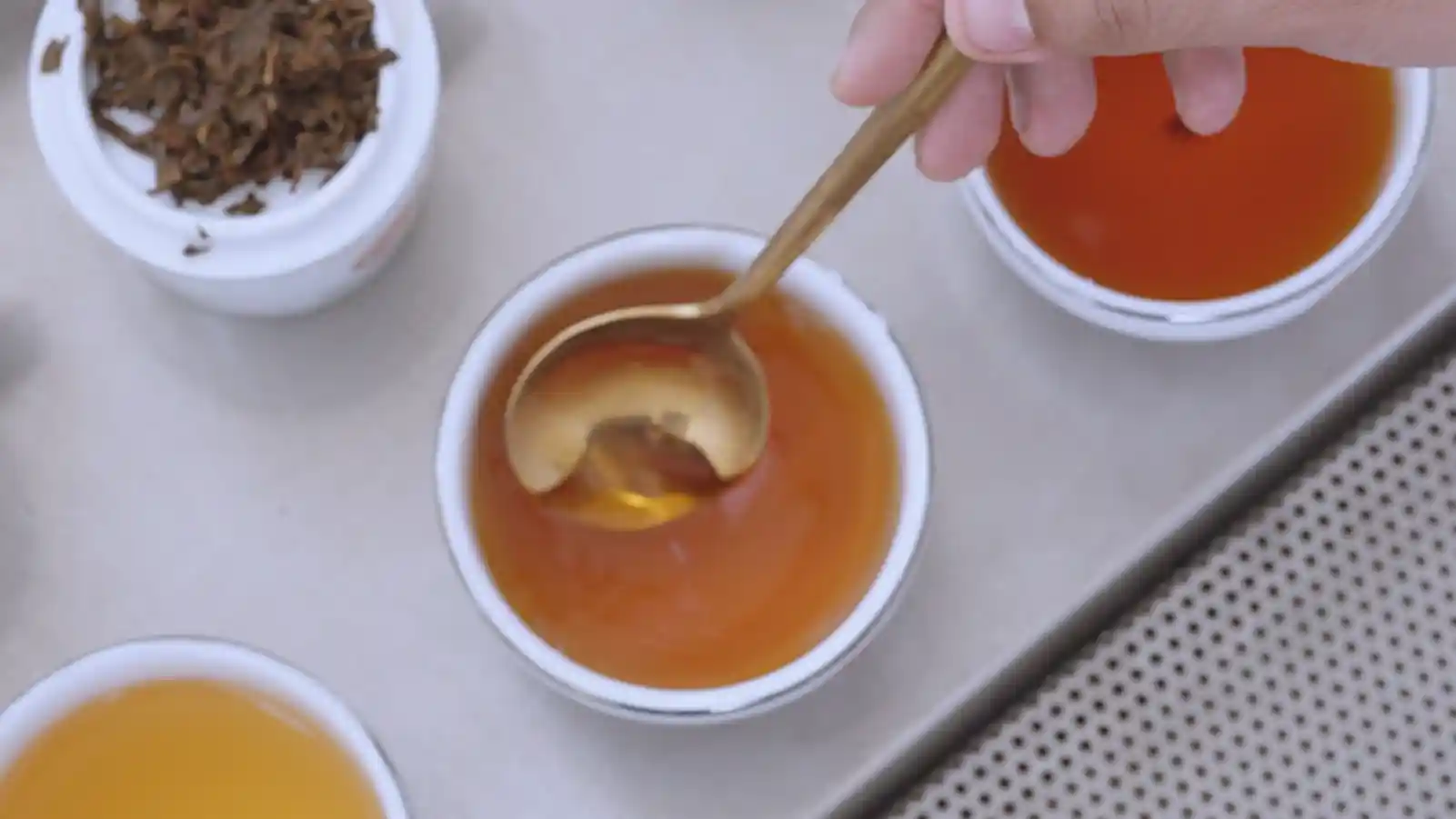
Quality should be established before a commercial order is placed.
International buyers may have specific requirements relating to:
Tea type
Origin
Grade or specification
Appearance
Aroma
Flavour
Strength
Blend composition
Ingredients
Finished product format
A buyer looking for a strong Ceylon black tea, for example, may have very different requirements from a business developing a delicate green tea or a custom wellness blend.
The exporter needs to understand the intended application before recommending the appropriate tea.
Why Tea Consistency Matters
For international tea businesses, consistency is often more important than the quality of one individual shipment.
If a retailer sells a particular tea product, customers expect the next purchase to taste and perform similarly to the previous one.
For distributors and brands, inconsistent supply can result in:
Customer complaints
Product variation
Repeated product testing
Inventory problems
Difficulty maintaining a fixed product specification
When choosing a Sri Lankan tea exporter, buyers should therefore ask how the supplier manages product consistency across repeat orders.
Ceylon Tea and Product Specifications
Ceylon tea is not a single uniform product.
Tea from different Sri Lankan growing regions can have different characteristics, and different manufacturing and blending processes can further affect the finished product.
This means international buyers should define the product they require rather than simply requesting “Ceylon tea.”
A good tea exporter should be able to discuss the characteristics and specification of the proposed product with the buyer.
Packaging for International Tea Markets
Packaging serves two purposes.
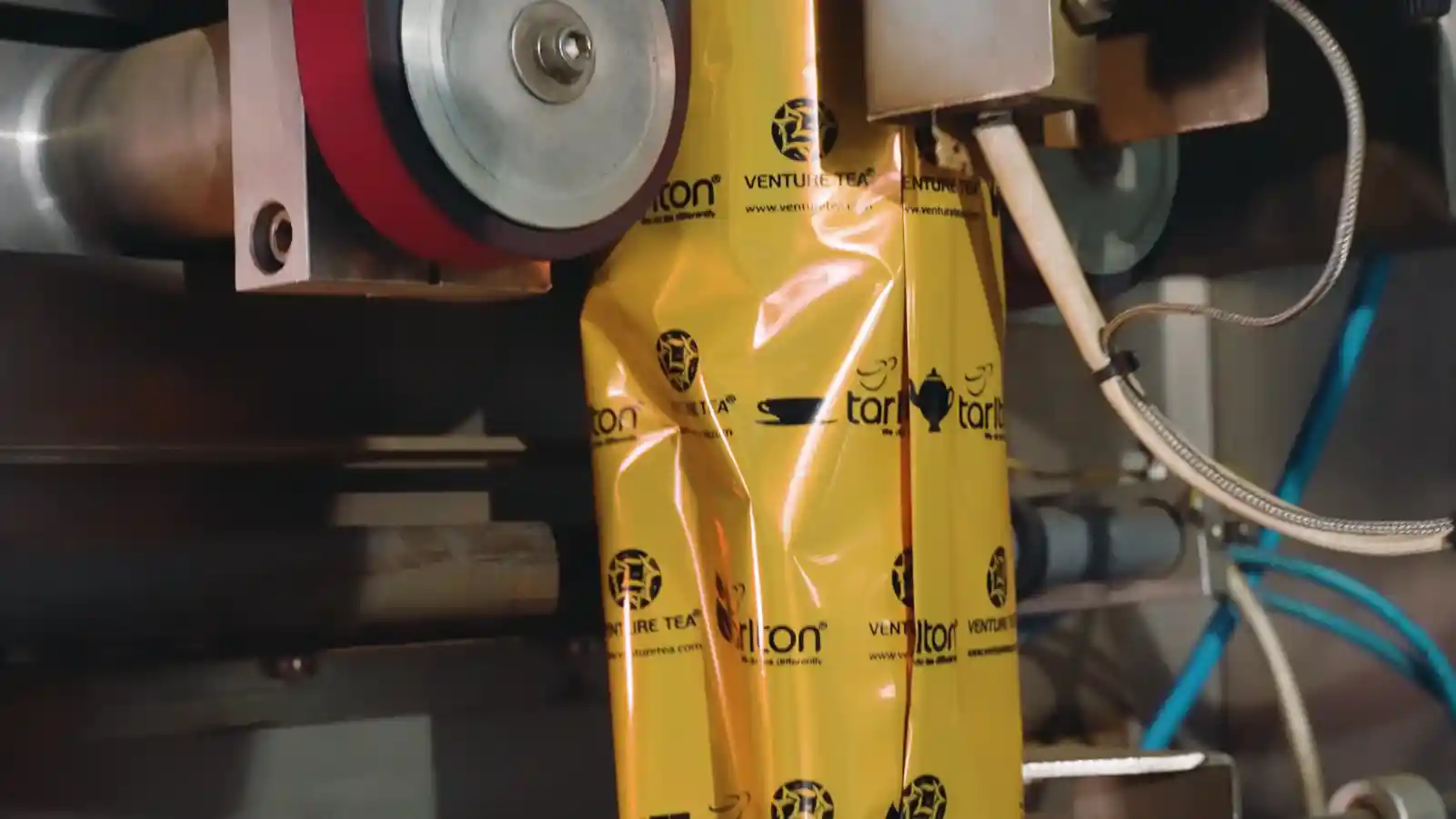
First, it protects the tea during storage and transportation.
Second, it presents the product to the final customer.
The appropriate packaging therefore depends on how the tea will be used and sold.
Bulk Tea Packaging
Bulk buyers may require commercial packaging designed for larger quantities.
This can be suitable for:
Tea distributors
Wholesale buyers
Tea manufacturers
Food-service businesses
Retailers with their own packing facilities
The packaging should be appropriate for the product, quantity and transportation requirements.
Retail Tea Packaging
Retail tea requires a different approach.
Consumer-facing products may need individual packs suitable for display, storage and sale.
Packaging may include the tea product, brand presentation, labels and other information required for the intended market.
For international brands, retail packaging is part of the overall product rather than simply a container for the tea.
Private Label Tea Packaging
Private label buyers often require packaging that reflects their own brand identity.
The tea manufacturer may therefore need to coordinate product preparation and packaging according to the buyer’s requirements.
This can allow an international company to source a finished tea product from Sri Lanka while selling it under its own brand.
White Label Tea Packaging
White label products can provide a simpler approach.
An existing tea product can be packaged and branded for another company, depending on the supplier’s available product range and packaging options.
This can be suitable for businesses that want to introduce a branded tea product without developing a completely new tea formulation.
OEM Tea Packaging
OEM projects can involve highly specific packaging requirements.
The buyer may already have a defined product format, packaging design and technical specification.
The manufacturer then needs to produce and package the tea according to the agreed requirements.
For this reason, packaging should be discussed early in an OEM project rather than after the tea itself has been finalised.
Supply Reliability for Global Buyers
A successful tea export relationship requires more than a single successful shipment.
International buyers need to know that their exporter can support future orders.
Important considerations include:
Production capacity
Product availability
Minimum order quantities
Lead times
Repeat order capability
Packaging availability
Raw material sourcing
Communication
Export coordination
A reliable supplier should be able to give realistic information about what it can consistently provide.
Can Sri Lankan Tea Exporters Support Wholesale Supply?
Yes. International businesses can source tea from Sri Lankan exporters in commercial quantities.
Wholesale buyers may purchase tea for resale, distribution, hospitality, food service or further manufacturing.
The exact quantities and packaging depend on the supplier and the buyer’s requirements.
For businesses expecting regular demand, it is important to discuss ongoing supply capacity rather than focusing only on the first order.
Can Sri Lankan Tea Exporters Manufacture Custom Products?
Some exporters also provide manufacturing and blending services.
This can allow international buyers to move beyond standard tea products and develop:
Custom tea blends
Private label tea
White label tea
OEM tea products
Herbal and wellness teas
Detox tea products
English Breakfast and other blended teas
This is particularly useful for businesses that want to differentiate their tea products in competitive international markets.
Export and Shipping Considerations
Once the tea has been prepared and packaged, it needs to be exported from Sri Lanka.
International export can involve:
Commercial documentation
Export documentation
Product information
Shipment preparation
Freight arrangements
International transportation
Destination-country import requirements
The exact requirements vary according to the product and destination.
International buyers should establish clearly which export and logistics responsibilities are handled by the supplier and which remain with the buyer or importer.
How Venture Tea Supports Global Tea Buyers
Venture Tea supports international businesses sourcing tea from Sri Lanka across multiple stages of the supply process.
The company can support:
Ceylon tea sourcing
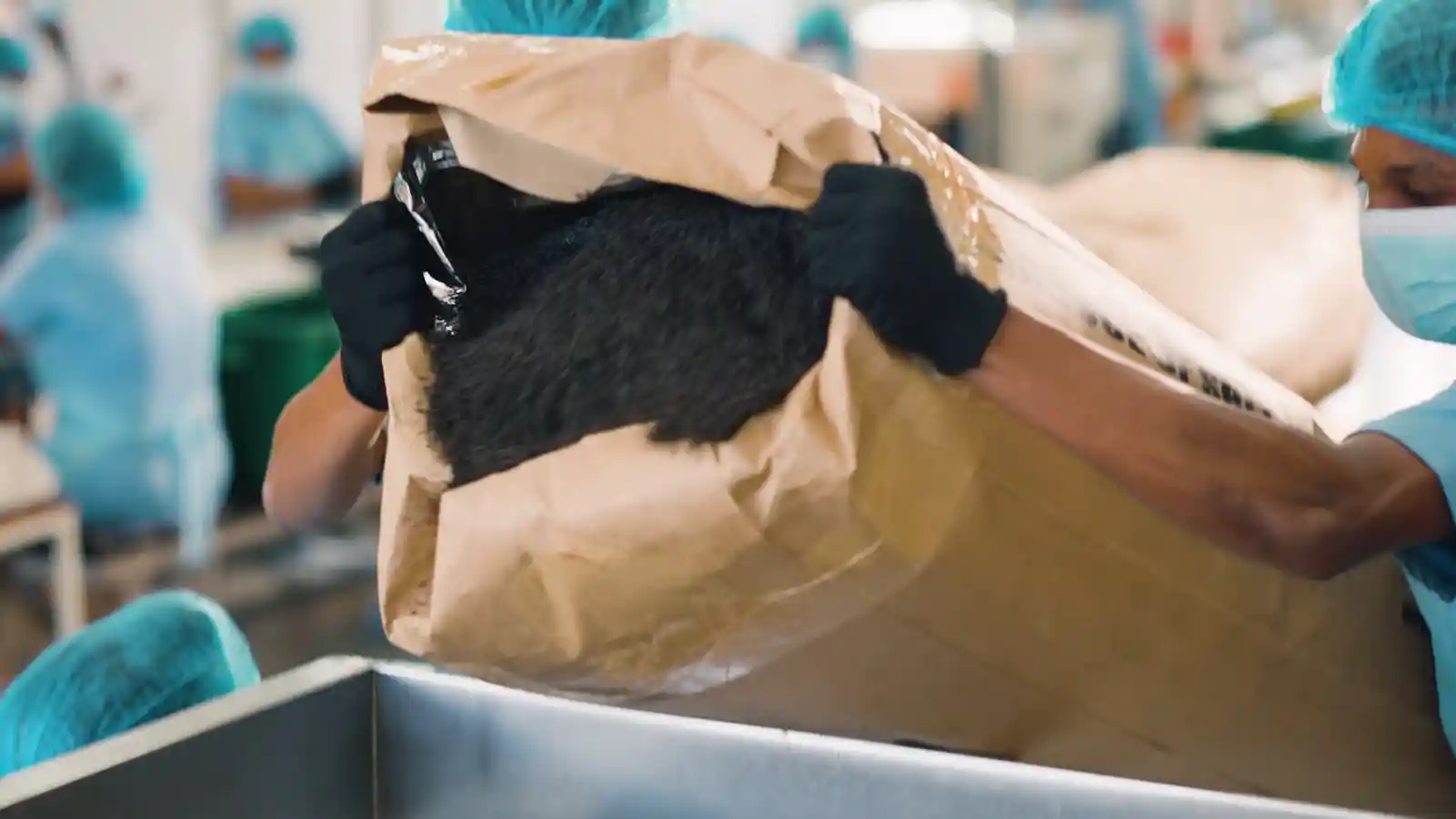
Tea manufacturing
Tea blending
Bulk tea supply
Wholesale tea supply
Private label tea
White label tea
OEM tea manufacturing
Tea packaging
Export coordination
This gives international buyers the flexibility to choose a supply model that matches their business.
A distributor may require bulk tea, while a new tea brand may require private label manufacturing. An established brand may need an OEM product manufactured to a detailed specification.
The supply model can therefore be adapted to the buyer rather than forcing every business into the same purchasing structure.
What Should Global Buyers Ask Before Ordering?
Before selecting a Sri Lankan tea exporter, ask:
What type of tea can you supply?
What product specifications are available?
Can you provide samples?
How is quality controlled?
How is consistency maintained across repeat orders?
What are the minimum order quantities?
What packaging formats are available?
Can you provide private label products?
Do you offer white label tea?
Can you manufacture according to OEM specifications?
What are the expected production lead times?
What export documentation is provided?
Can you coordinate international shipping?
Can you support increasing order volumes?
These questions help buyers assess the complete supply capability of an exporter.
Frequently Asked Questions
What are the most important factors when importing tea from Sri Lanka?
The main considerations are product quality, consistency, packaging, supply reliability, minimum order quantities, lead times and export requirements.
Is Ceylon tea available for wholesale export?
Yes. Ceylon tea can be supplied in commercial quantities for wholesale, distribution, retail and other business applications.
Can tea from Sri Lanka be packaged under my own brand?
Yes. Private label tea manufacturing allows international businesses to have tea packaged and sold under their own brand, depending on the manufacturer’s capabilities.
What is the difference between bulk tea and private label tea?
Bulk tea is generally supplied in larger commercial formats for further use, processing or distribution. Private label tea is prepared as a branded product for sale under the buyer’s own brand.
Can I request a custom tea blend from a Sri Lankan exporter?
Yes. Exporters with tea manufacturing and blending capabilities can work with buyers on custom blends and specific product requirements.
How can I ensure consistent tea supply from Sri Lanka?
Choose an exporter that can demonstrate reliable sourcing, production capacity, quality control and the ability to support repeat commercial orders.
Conclusion
For global tea buyers, successful tea export from Sri Lanka depends on three fundamental areas: quality, packaging and supply.
The tea must meet the required specification, the packaging must protect and present the product appropriately, and the exporter must be capable of maintaining reliable supply over time.
Venture Tea combines Sri Lankan tea sourcing with manufacturing, blending, packaging and export capabilities, supporting international businesses across different supply models.
Whether a buyer needs bulk Ceylon tea, wholesale supply, private label tea, white label products or OEM manufacturing, choosing an exporter capable of supporting the complete supply process can provide a stronger foundation for long-term international tea supply.