A successful private label tea product needs to be more than a branded package. The tea inside the package needs to deliver the flavour, aroma, appearance and overall experience that customers associate with the brand.
This is where private label tea blending becomes important.
Tea blending allows a brand to combine different teas, herbs, botanicals, spices, fruits or other suitable ingredients to create a product designed around its own requirements.
Venture Tea provides private label tea blending and manufacturing in Sri Lanka, helping international brands develop distinctive tea products and take them from an initial concept through blending, manufacturing, packaging and export-oriented supply.
What Is Private Label Tea Blending?
Private label tea blending is the process of developing a tea blend for a business that will sell the finished product under its own brand.
Instead of simply purchasing an existing tea and placing a new label on it, the brand can work with a manufacturer to develop a product around specific requirements.
These requirements may include:
Tea type
Flavour
Aroma
Strength
Colour
Ingredients
Target customer
Price positioning
Packaging format
Intended market
The result is a tea product developed specifically for the brand.
Why Does Tea Blending Matter for a Private Label Brand?
Tea is not a single uniform product.
Different teas can have significantly different characteristics depending on their origin, growing region, grade, processing and other factors.
Blending allows a manufacturer to combine these characteristics to achieve a particular product profile.
For a brand, this can mean creating a tea that is:
Stronger
Smoother
More aromatic
More delicate
More refreshing
More distinctive
Better suited to a particular consumer group
The objective is to create a product that fits the brand rather than forcing the brand to fit an existing tea.
What Can Be Used in a Tea Blend?
The ingredients depend on the product concept and applicable requirements.
A blend may involve different types of tea or combine tea with suitable herbs, botanicals, fruits, spices and flavouring ingredients.
Examples can include:
Ceylon black tea
Green tea
White tea
Ginger
Cinnamon
Lemongrass
Peppermint
Chamomile
Hibiscus
Fruit ingredients
Botanical ingredients
Suitable flavouring ingredients
The final formulation needs to be evaluated according to the intended product and destination market.
Creating a Ceylon Tea Blend
Ceylon Tea can be particularly interesting for private label blending because Sri Lanka produces tea with different characteristics across its growing regions.
A brand may want a product with a particular combination of:
Strength + aroma + colour + smoothness
The manufacturer can select appropriate teas and develop a blend around the required profile.
This gives the brand greater control over the finished product than simply purchasing an unspecified bulk tea.
Private Label English Breakfast Blending
English Breakfast is a good example of why blending matters.
The objective is generally to produce a recognisable, full-bodied breakfast tea, but the exact character can vary considerably.
A private label brand may want its English Breakfast tea to be:
Strong and robust
Smooth and balanced
Bright and aromatic
Suitable for drinking with milk
Positioned as a premium breakfast tea
The blend can therefore be developed around the brand’s desired product profile.
Creating Flavoured Tea Blends
Flavoured tea provides even more opportunities for differentiation.
A brand can develop a product around a particular flavour concept, such as:
Lemon
Peach
Mango
Vanilla
Mint
Ginger
Cinnamon
Spiced tea
Fruit combinations
The base tea and flavour profile need to work together.
A strong flavour should not completely overpower the tea, while a delicate flavour may not deliver the sensory experience the brand expects.
This balance is one of the reasons experienced tea blending matters.
Private Label Herbal Tea Blending
Herbal tea blending can involve combinations of herbs and botanicals designed around taste, aroma and the intended product positioning.
Examples can include blends featuring:
Lemongrass
Peppermint
Chamomile
Ginger
Hibiscus
Cinnamon
Turmeric
Other suitable botanicals
Herbal products are particularly relevant for brands entering the wellness and lifestyle tea market.
However, brands should distinguish between general wellness positioning and regulated health claims. The ingredients, formulation, labelling and marketing claims need to comply with the requirements of the target market.
Private Label Wellness Tea Blending
Wellness tea is another area where custom blending can provide significant value.
A brand may want to develop a tea around a specific lifestyle occasion, such as:
Evening tea
Relaxation-focused tea
Herbal wellness blend
Botanical tea
Digestive-style tea
Daily wellness tea
The formulation should be developed around the intended market and applicable regulatory requirements.
The objective is to create a commercially appealing tea product without making unsupported or prohibited health claims.
How Does the Private Label Blending Process Work?
The process can begin with either a finished concept or a general product idea.
1. Define the Brand’s Requirements
The brand communicates what it wants to achieve.
This may include the desired flavour, strength, ingredients, product type, target customer and price positioning.
2. Select the Base Tea
The appropriate tea is selected based on the desired characteristics.
For a Ceylon tea product, this can involve considering different tea origins and specifications.
3. Select Additional Ingredients
If required, herbs, botanicals, fruits, spices or flavouring ingredients can be incorporated into the product concept.
4. Develop the Blend
The ingredients are combined according to the product specification to achieve the intended sensory profile.
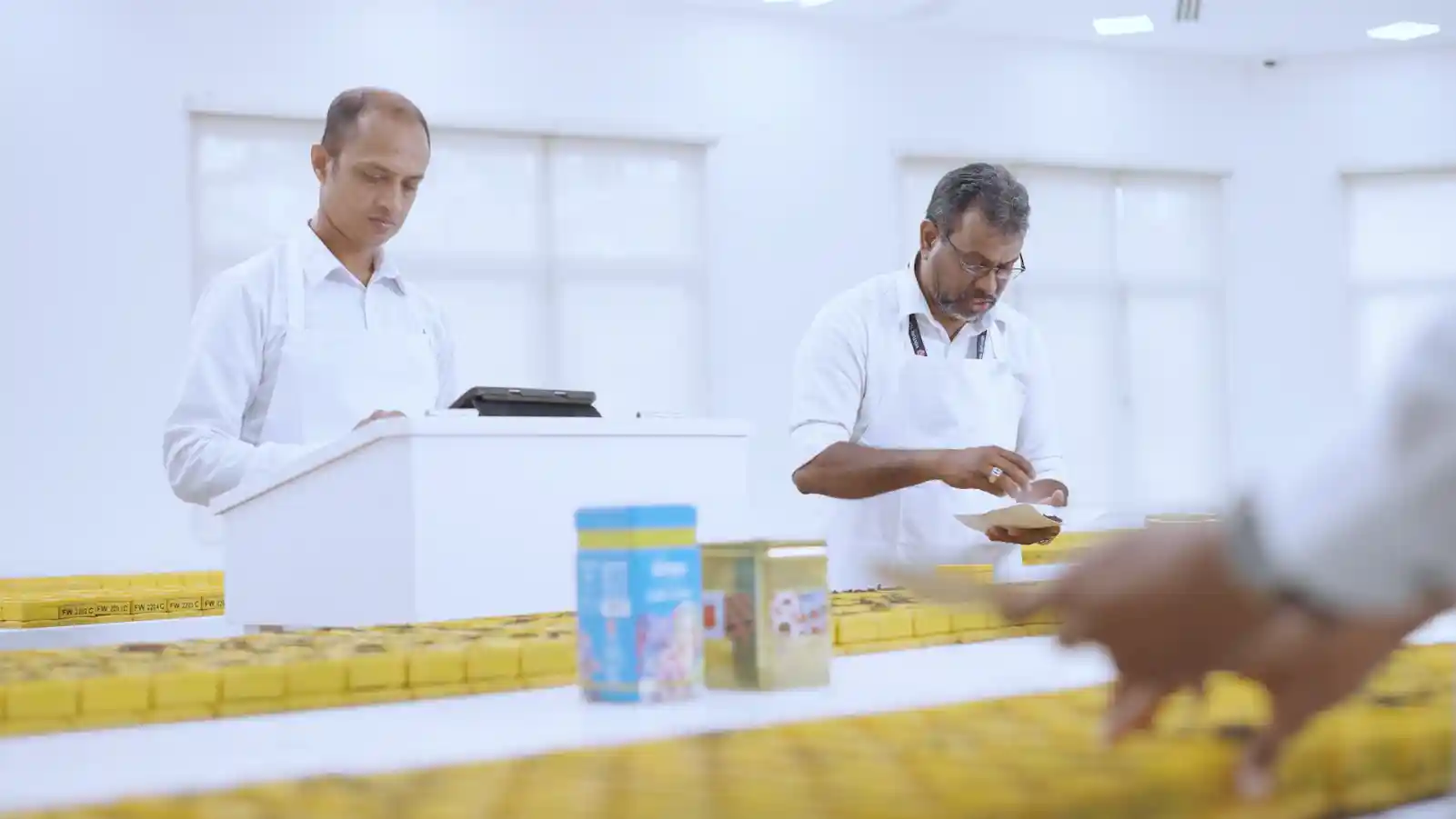
5. Evaluate the Product
The blend needs to be assessed against the requirements established at the beginning of the project.
6. Finalise the Specification
Once the product is approved, the agreed blend becomes the basis for commercial production.
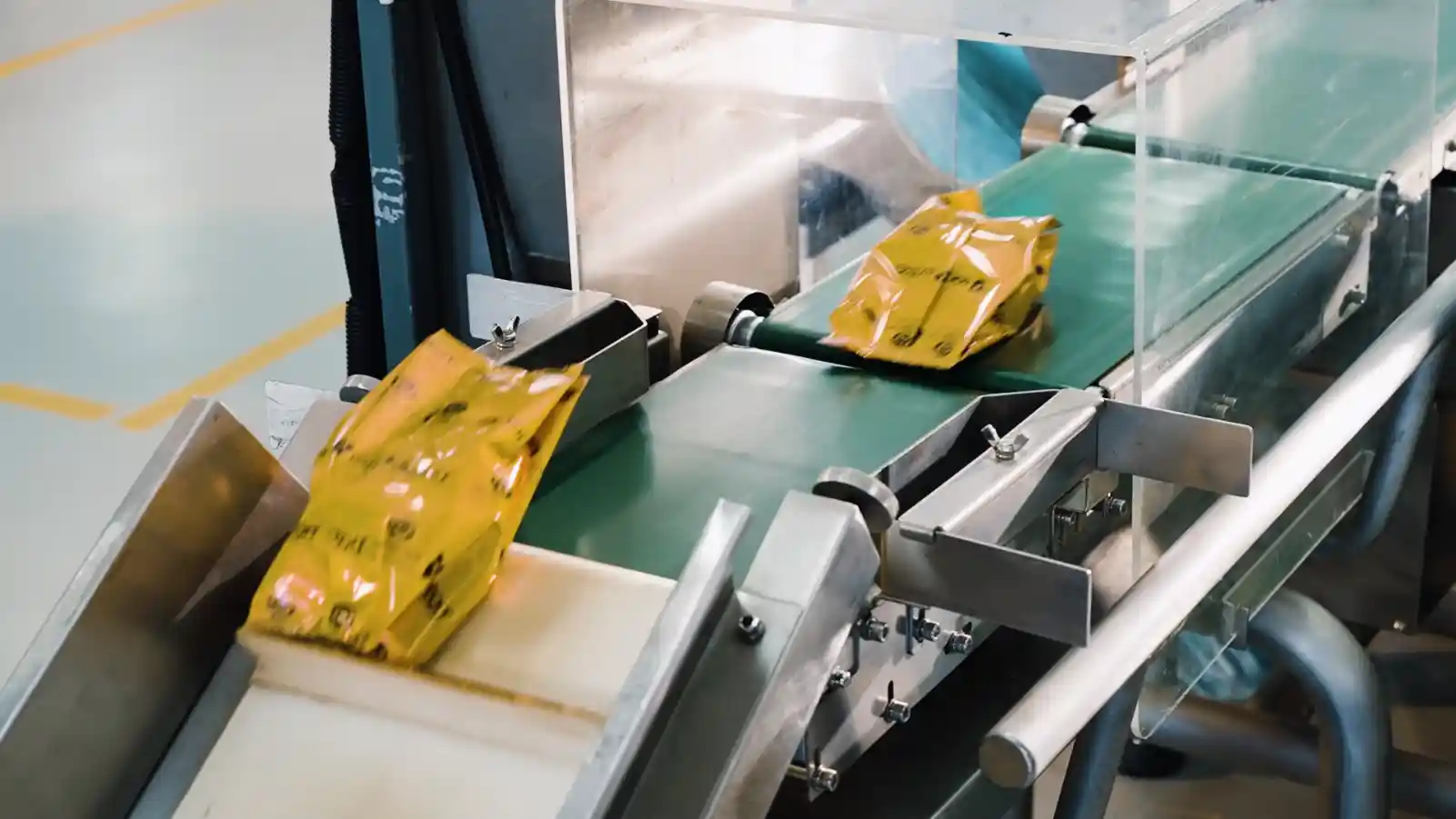
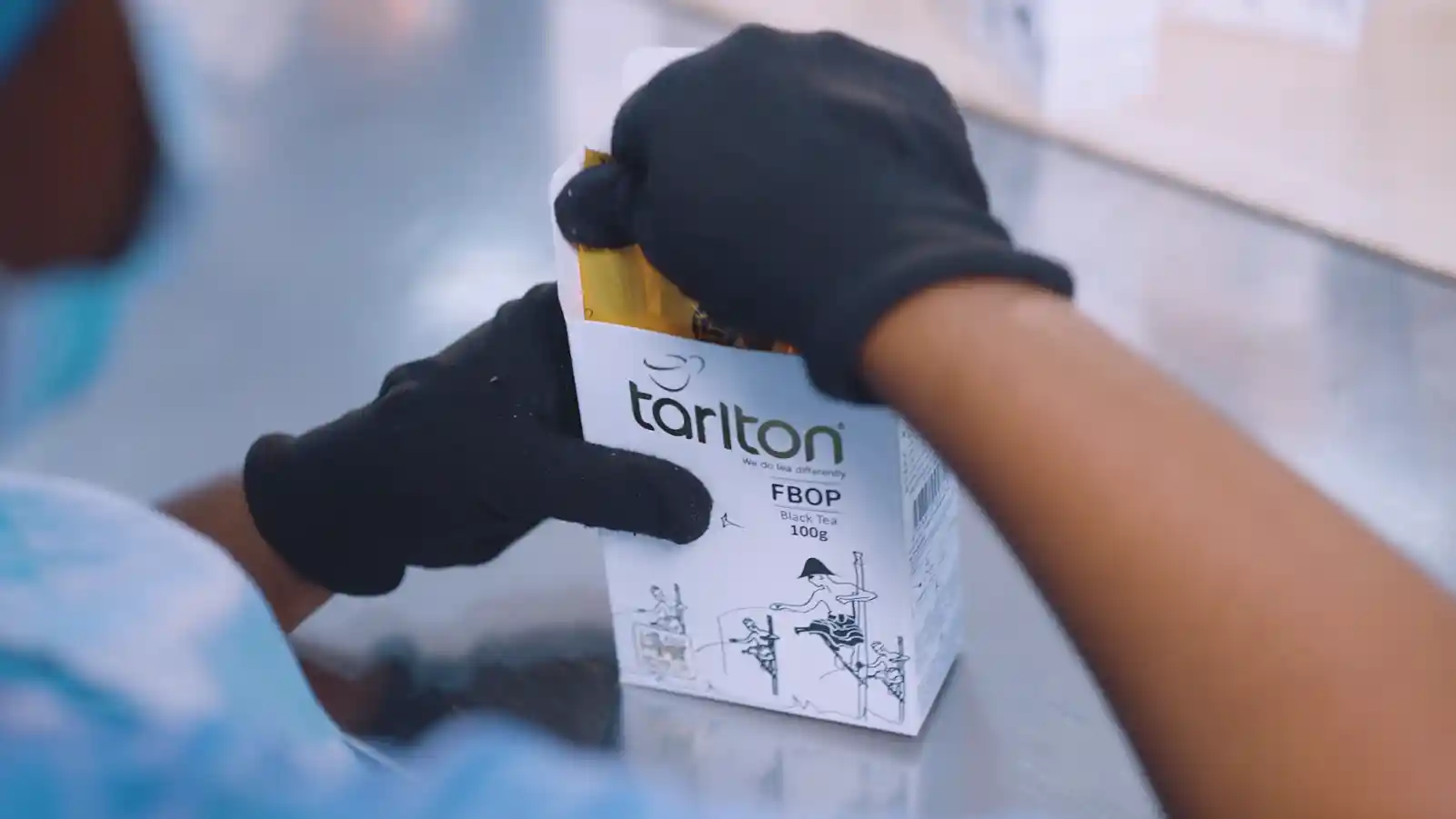
7. Manufacture and Package
The final tea can then be manufactured and packed under the brand’s own identity.
8. Supply the Finished Product
For international brands, the finished tea can be prepared for export-oriented B2B supply.
This creates a complete journey from brand concept to finished tea product.
Why Consistency Matters in Tea Blending
Creating a good blend once is not enough.
If a customer buys the same tea six months later, they expect it to taste like the product they originally purchased.
This makes consistency critical.
A private label manufacturer needs to maintain the agreed product specification across repeat production.
Consistency can influence:
Customer satisfaction
Brand reputation
Repeat purchases
Retail relationships
Product reviews
Long-term sales
For this reason, brands should consider a manufacturer’s blending and production capabilities when choosing a private label partner.
Custom Blending vs Existing Tea Products
There are two very different approaches.
Existing Product
The brand chooses an established tea product and sells it under its own packaging.
This can be closer to a white label model.
Custom Blend
The brand develops the tea according to its own requirements.
This provides greater control over the actual product and can create a stronger point of differentiation.
For brands that want a distinctive tea identity, custom blending can be the more valuable approach.
Can a Brand Create Its Own Signature Tea?
Yes.
A signature tea can become one of the most recognisable products in a brand’s portfolio.
For example, a brand could develop:
A proprietary Ceylon black tea blend with a distinctive flavour profile and premium packaging.
The product could then become a core part of the brand’s identity.
This is one of the biggest commercial opportunities presented by private label manufacturing.
The brand is not simply selling “tea.”
It is building its own tea product.
How Venture Tea Can Serve Your Brand
Venture Tea can support your brand at different stages of the private label tea journey.
You may already have a finished tea specification, or you may only have an idea for a product.
Venture Tea can support the process through:
Tea selection → Blend development → Product manufacturing → Packaging → Export-oriented supply
For example, your brand may come to Venture Tea with:
“We want to launch a premium Ceylon breakfast tea.”
Or:
“We want to develop a herbal wellness blend for the European market.”
Or:
“We need a custom tea blend that can become our signature product.”
The manufacturing approach can then be built around the requirements of your brand and target market.
This is the value of working with a private label tea manufacturer rather than simply purchasing an existing wholesale tea.
How Venture Tea Supports Growing Brands
A private label relationship should be capable of developing alongside your business.
Your requirements may begin with one product and eventually expand into:
Multiple tea blends
Different pack sizes
Tea bags
Loose leaf products
Herbal teas
Wellness teas
Premium collections
New international markets
Venture Tea can support brands across this broader product journey, subject to the requirements of each product.
This gives an international business the opportunity to develop its tea portfolio through one established Sri Lankan tea manufacturing partner.
Why Choose Venture Tea for Private Label Tea Blending?
Venture Tea combines Sri Lankan tea expertise with private label manufacturing and international B2B supply.
For brands, this means the relationship can cover more than the creation of a blend.
The process can extend through:
Product concept → Tea sourcing → Blending → Manufacturing → Packaging → Export
Venture Tea is positioned as a leading private label tea manufacturing partner in Asia, helping international brands create their own tea products rather than simply resell standard products.
For a brand that wants to build a distinctive tea range, this combination of product development and manufacturing capability can provide a stronger foundation for long-term growth.
Frequently Asked Questions
Can I create my own tea blend?
Yes. Private label tea blending allows brands to develop products around their own tea, flavour, ingredient and product requirements.
Can Venture Tea develop a custom tea blend?
Yes. Venture Tea can work with international brands on tea selection and blending according to the agreed product requirements.
Can I create a signature tea for my brand?
Yes. A custom blend can be developed as a distinctive signature product for a brand, subject to the product requirements and manufacturing process.
Can herbal tea be custom blended?
Yes. Herbal and botanical ingredients can be incorporated into private label products depending on the formulation and applicable requirements.
Can I manufacture the blend as tea bags?
Yes. Tea bag production can form part of the private label manufacturing process depending on the product and packaging specifications.
Can Venture Tea help with packaging as well?
Yes. Venture Tea can support the broader private label process, including manufacturing and packaging requirements.
Can Venture Tea supply my brand internationally?
Venture Tea supports international B2B tea supply and export-oriented private label orders for overseas brands.
Turn Your Tea Idea Into Your Brand’s Product
The most valuable private label tea products are not simply existing teas with a different logo.
They are products developed around the identity, customers and positioning of the brand.
Whether you want to create a premium Ceylon tea, English Breakfast blend, flavoured tea, herbal tea, wellness blend or signature speciality tea, private label blending gives you the opportunity to control what goes into the product and how it is presented to the market.
Venture Tea can serve your brand from tea selection and custom blending through manufacturing, packaging and international B2B supply—helping turn a tea concept into a finished product that belongs to your brand.
For businesses looking for a long-term private label tea manufacturing partner in Asia, Venture Tea provides the Sri Lankan tea expertise and manufacturing capabilities needed to create, launch and grow a distinctive tea range.