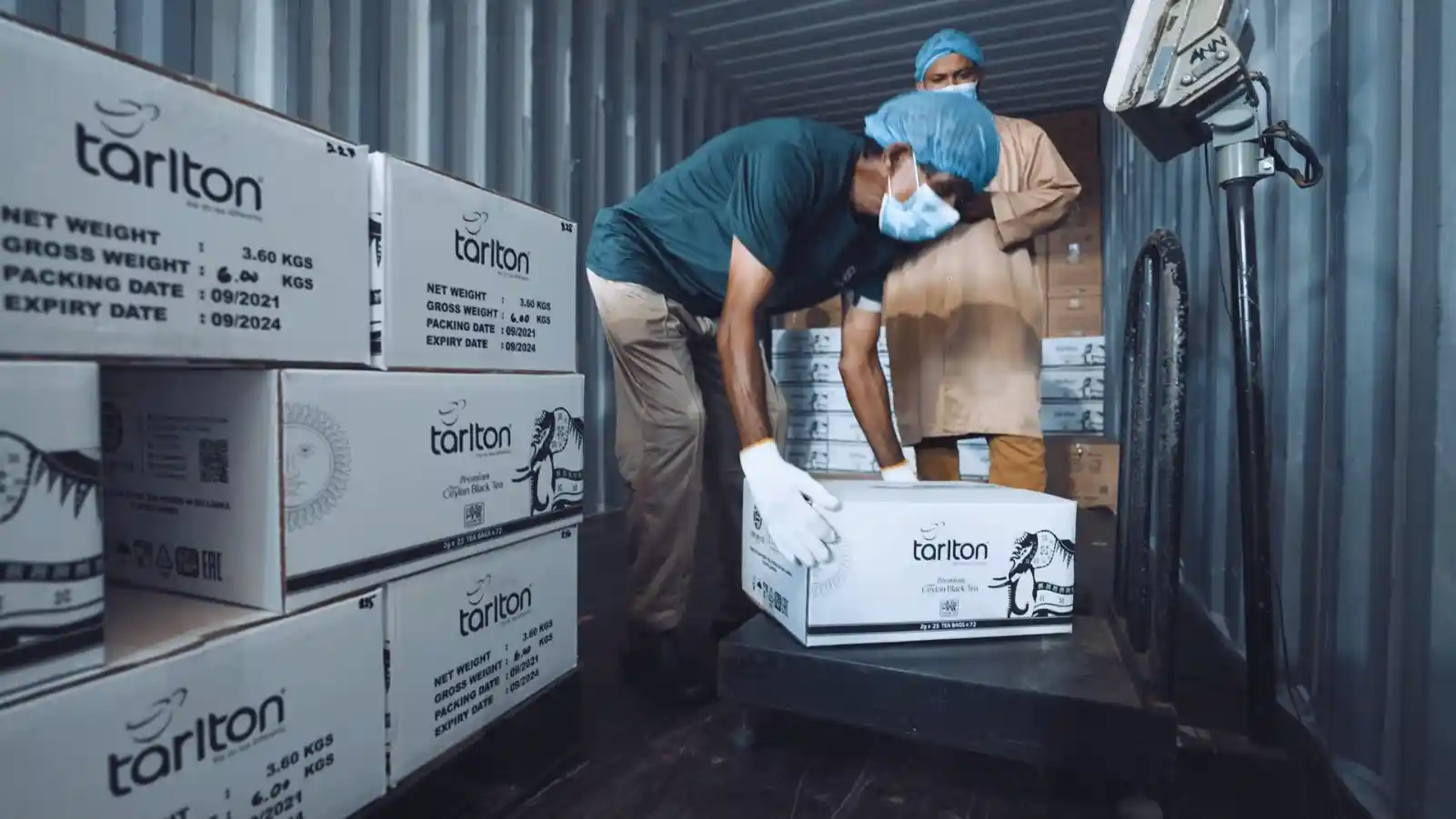
Sri Lanka is one of the world’s best-known tea-producing origins, with Ceylon tea supplied to markets around the globe. For an international buyer, however, buying tea from Sri Lanka involves more than selecting a product and arranging shipment.
The export process can involve tea sourcing, manufacturing or blending, quality control, packaging, documentation, logistics and delivery. Understanding how these stages work helps international buyers choose the right Sri Lankan tea exporter and plan their supply more effectively.
How Does Tea Export from Sri Lanka Work?
Tea export from Sri Lanka generally involves several connected stages, beginning with sourcing the required tea and ending with the finished shipment reaching the international buyer.
Depending on the buyer’s requirements, the process may include:
Selecting and sourcing the appropriate tea
Manufacturing, processing or blending the tea
Quality control and product checks
Packaging the tea for the intended market
Preparing export documentation
Coordinating freight and shipment
Delivering the tea to the destination country
The exact process varies according to the type of tea, order volume, packaging format and destination market.
Step 1: Selecting the Right Sri Lankan Tea
The first step is determining what type of tea the buyer needs.
International buyers may be looking for Ceylon black tea, green tea, herbal and wellness teas, detox teas, English Breakfast blends or other specialised tea products.
The intended market is also important. A tea destined for a retail brand may require a different specification from bulk tea being purchased by a distributor or food-service business.
A Sri Lankan tea exporter should therefore understand the buyer’s product requirements before recommending a tea.
Step 2: Tea Manufacturing and Blending
Once the tea specification has been established, the product can be prepared according to the buyer’s requirements.
Some buyers simply require bulk tea, while others need a finished tea product.
Manufacturing and blending may involve selecting different teas, developing a specific blend and preparing the product for its intended packaging format.
This is particularly important for businesses creating their own tea brands, private label products or OEM tea products.
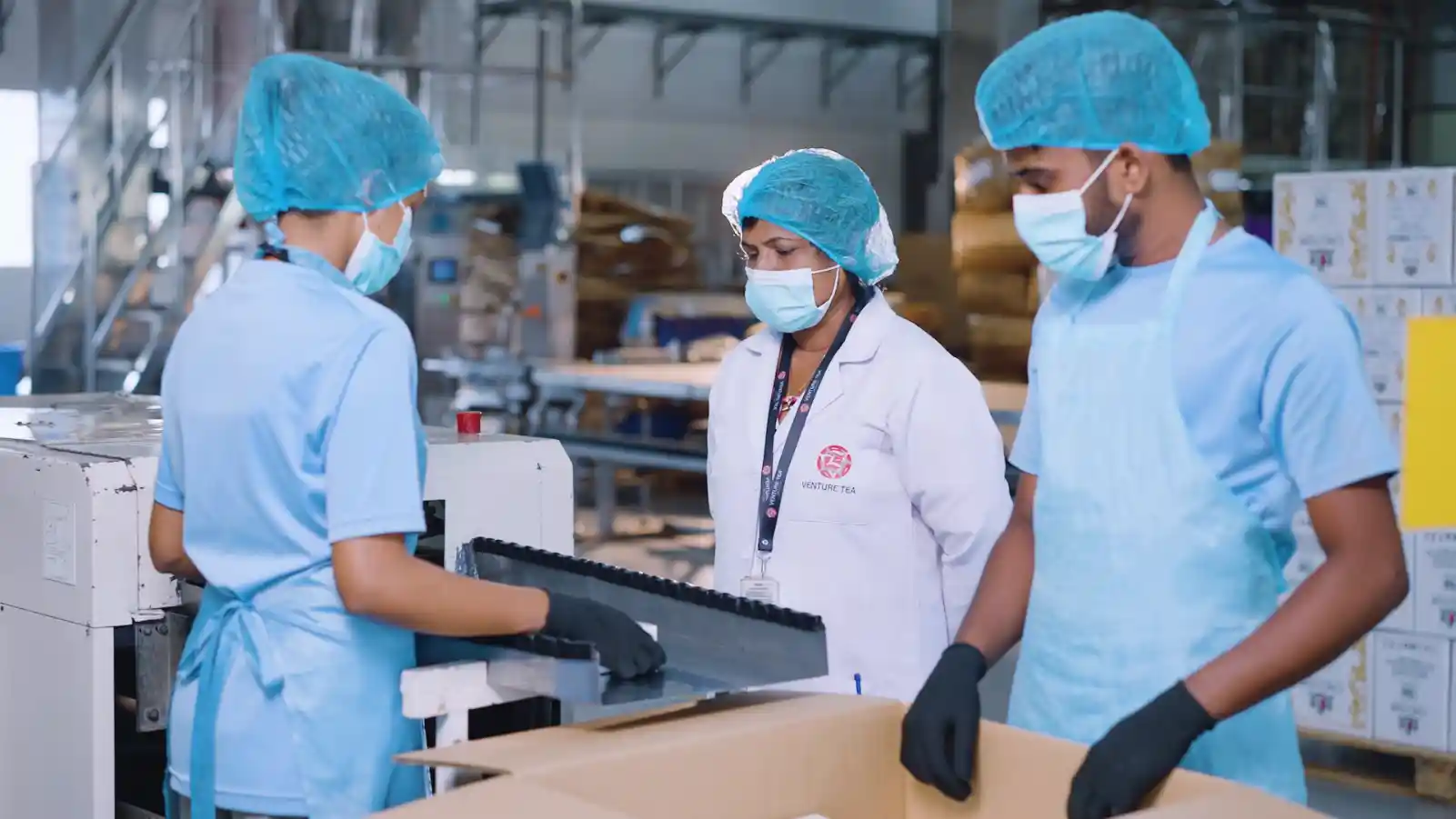
Step 3: Quality Control
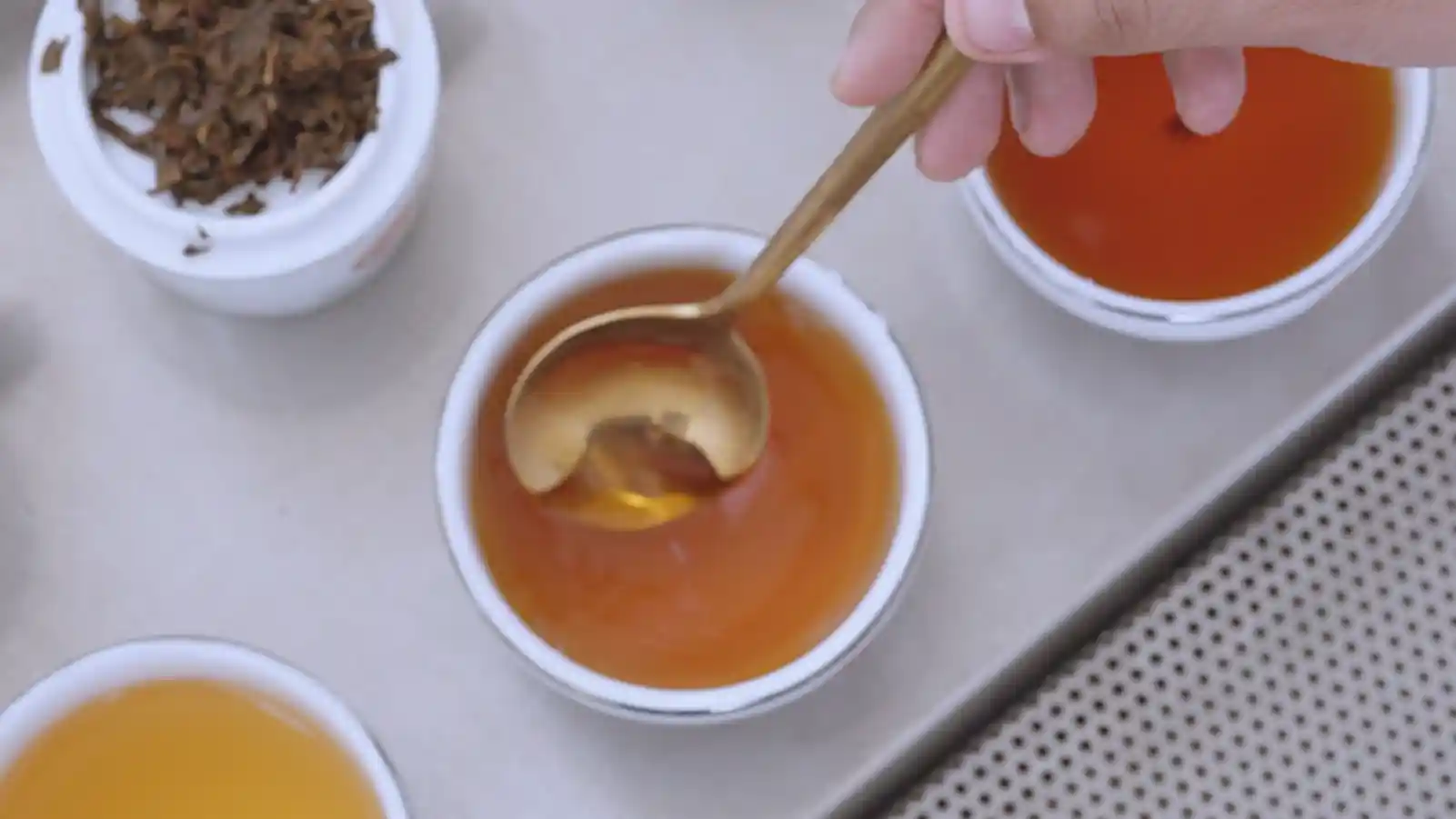
Quality needs to be considered throughout the tea supply process.
For international buyers, consistency is especially important because the tea supplied today may need to match future orders.
Quality considerations can include the tea’s appearance, aroma, flavour, blend specification, packaging and handling.
A reliable tea exporter should have processes in place to maintain the agreed product specification before the tea is prepared for export.
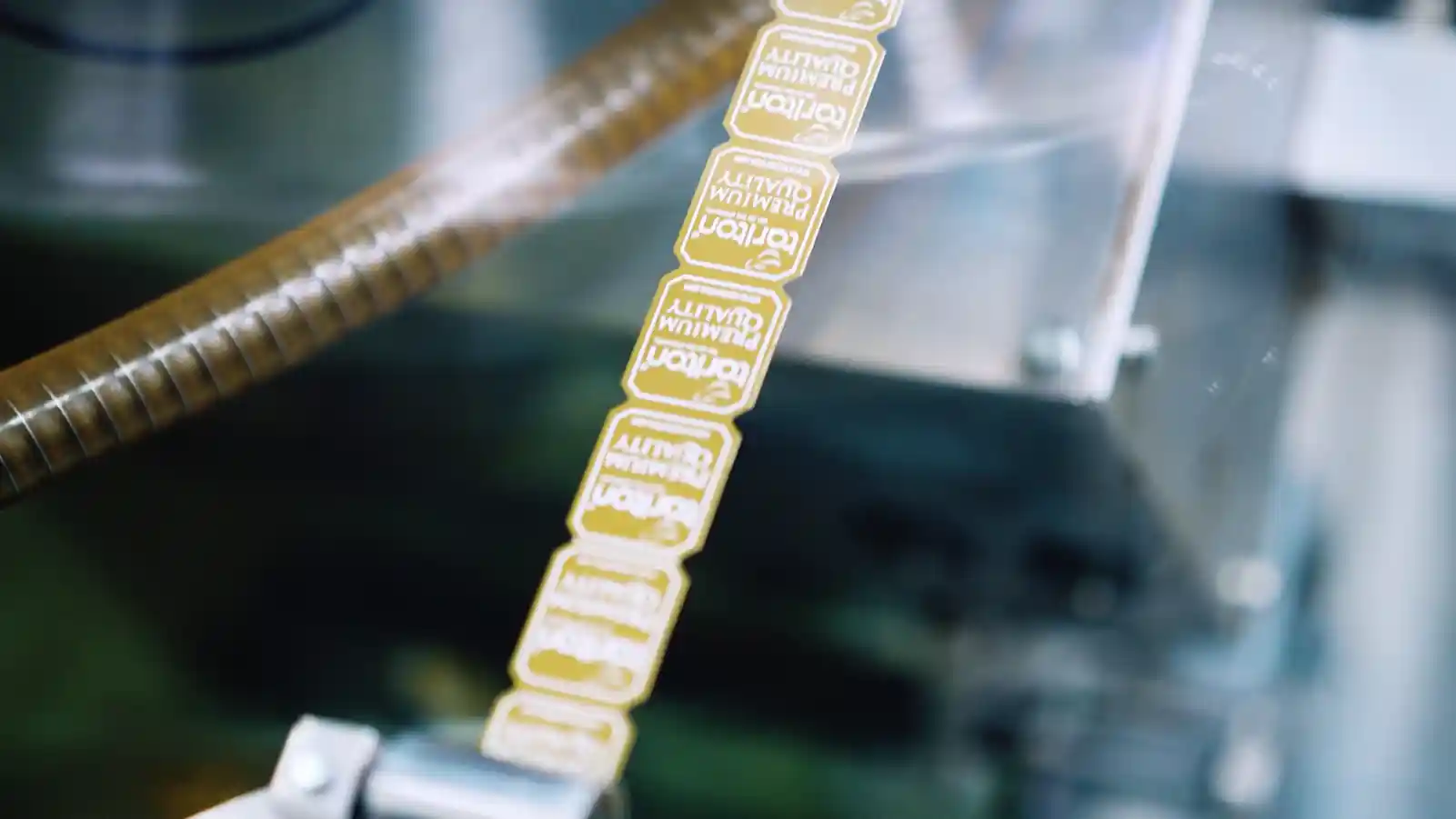
Step 4: Tea Packaging
The packaging requirement depends on how the buyer intends to sell or use the tea.
Tea may be prepared in bulk packaging for commercial buyers or in finished retail packaging for brands, retailers and distributors.
For private label and white label products, packaging becomes part of the finished brand proposition. The tea may need to be packed according to the buyer’s selected format and branding requirements.
Packaging also has an important practical role in protecting the tea during storage and international transportation.
Step 5: Export Documentation
International shipments require the appropriate commercial and export documentation.
The exact documentation depends on factors such as the destination country, product type and shipping arrangement.
A professional tea exporter helps coordinate the documentation required for the shipment so that the buyer has the information needed for import and customs procedures in the destination market.
This is one reason why working with an experienced exporter can be more practical than attempting to manage every stage of an international tea shipment independently.
Step 6: International Shipping
After production, packaging and documentation have been completed, the tea is prepared for international shipment.
The shipping method and logistics arrangements depend on the order size, destination and buyer’s requirements.
The exporter coordinates with the relevant logistics and freight parties to move the tea from Sri Lanka towards the destination market.
For larger commercial orders, shipping planning is particularly important because lead times and freight arrangements can affect the buyer’s inventory planning.
Step 7: Delivery to the International Buyer
The final stage is getting the tea to the buyer or their designated destination.
Depending on the agreed shipping arrangement, this can involve transportation to a port, international freight and delivery through the buyer’s chosen logistics network.
The objective is to make the transition from Sri Lankan tea production to the buyer’s market as efficient and predictable as possible.
What Types of Tea Can Be Exported from Sri Lanka?
Sri Lanka is particularly recognised for Ceylon tea, but international buyers can source a range of tea products from Sri Lankan manufacturers and exporters.
These can include:
Ceylon black tea
Ceylon green tea
English Breakfast tea and other tea blends
Herbal and wellness teas
Detox tea products
Speciality tea products
Custom tea blends
Private label tea products
White label tea products
OEM tea products
The available options depend on the capabilities of the individual exporter and the buyer’s requirements.
Can International Buyers Order Private Label Tea from Sri Lanka?
Yes. International buyers can work with Sri Lankan tea manufacturers and exporters to develop tea products under their own brand.
Private label tea can involve selecting or developing the tea product, creating the required blend, packaging the tea and preparing the finished product for the buyer’s market.
This allows businesses to build their own tea brands without having to establish their own tea manufacturing facility.
What Is the Difference Between Private Label and White Label Tea?
The two models are related but serve slightly different purposes.
Private label tea is generally developed or manufactured for a specific brand according to its requirements.
White label tea typically involves an existing tea product that can be sold under the buyer’s own branding.
For a business looking for a highly customised tea product, private label or OEM manufacturing may be more appropriate. For a business wanting a ready-made product that can be branded and marketed quickly, white label can be a simpler option.
Can Tea Be Manufactured to a Buyer’s Specifications?
Yes. OEM tea manufacturing allows an international buyer to provide specific requirements for the product.
These requirements may involve the tea type, blend, ingredients, flavour profile, packaging format and other product specifications.
For businesses that already have a defined product concept, OEM manufacturing can provide a way to have the product manufactured in Sri Lanka rather than developing production capabilities themselves.
Why Work with a Tea Exporter Instead of Managing Everything Yourself?
International tea sourcing involves multiple stages, and each stage needs to work correctly for the shipment to reach the buyer as expected.
A tea exporter can bring together sourcing, manufacturing, packaging and export coordination under one supply relationship.
For international buyers, this can simplify communication and reduce the number of separate parties involved in getting the finished tea from Sri Lanka to the destination market.
What Should International Buyers Ask a Sri Lankan Tea Exporter?
Before placing an order, buyers should establish several key points:
What type of tea is available?
Can the tea be supplied consistently?
What order quantities are supported?
Can the tea be blended or customised?
Are private label services available?
Is white label tea available?
Can the product be manufactured to OEM specifications?
What packaging formats are available?
What quality standards and controls are followed?
What export and shipping support is provided?
What are the expected production and delivery lead times?
Getting clear answers to these questions helps buyers determine whether an exporter is suitable for a long-term commercial relationship.
Frequently Asked Questions
How is tea exported from Sri Lanka?
Tea is exported through a process that can include sourcing, manufacturing or blending, quality control, packaging, export documentation, freight coordination and international delivery.
Can I import Ceylon tea directly from Sri Lanka?
Yes. International businesses can purchase Ceylon tea directly from Sri Lankan tea exporters for bulk, wholesale, retail, private label and other commercial applications.
Can Sri Lankan tea exporters provide finished retail products?
Yes. Depending on the exporter, tea can be manufactured and packed as finished retail products for international brands, retailers and distributors.
Can I create my own tea brand in Sri Lanka?
Yes. International businesses can work with Sri Lankan tea manufacturers to develop private label, white label or OEM tea products for their own brands.
How long does tea export from Sri Lanka take?
The timeframe depends on the tea product, order quantity, production requirements, packaging, destination and shipping arrangements. Buyers should confirm production and shipping lead times with their exporter before placing an order.
What makes a good Sri Lankan tea exporter?
A good exporter should be able to provide suitable tea products, maintain consistent quality, support the buyer’s packaging and manufacturing requirements, and coordinate the practical requirements of international export.
Conclusion
Exporting tea from Sri Lanka involves much more than shipping a box of tea overseas. For commercial buyers, the process can include sourcing, manufacturing, blending, quality control, packaging, documentation and international logistics.
Working with an experienced Sri Lankan tea exporter can give international buyers a more structured way to source Ceylon tea and develop products for their own markets.
Venture Tea supports international tea buyers with tea sourcing, manufacturing, blending, packaging and export capabilities, helping businesses move from a tea requirement to a finished product ready for international markets.