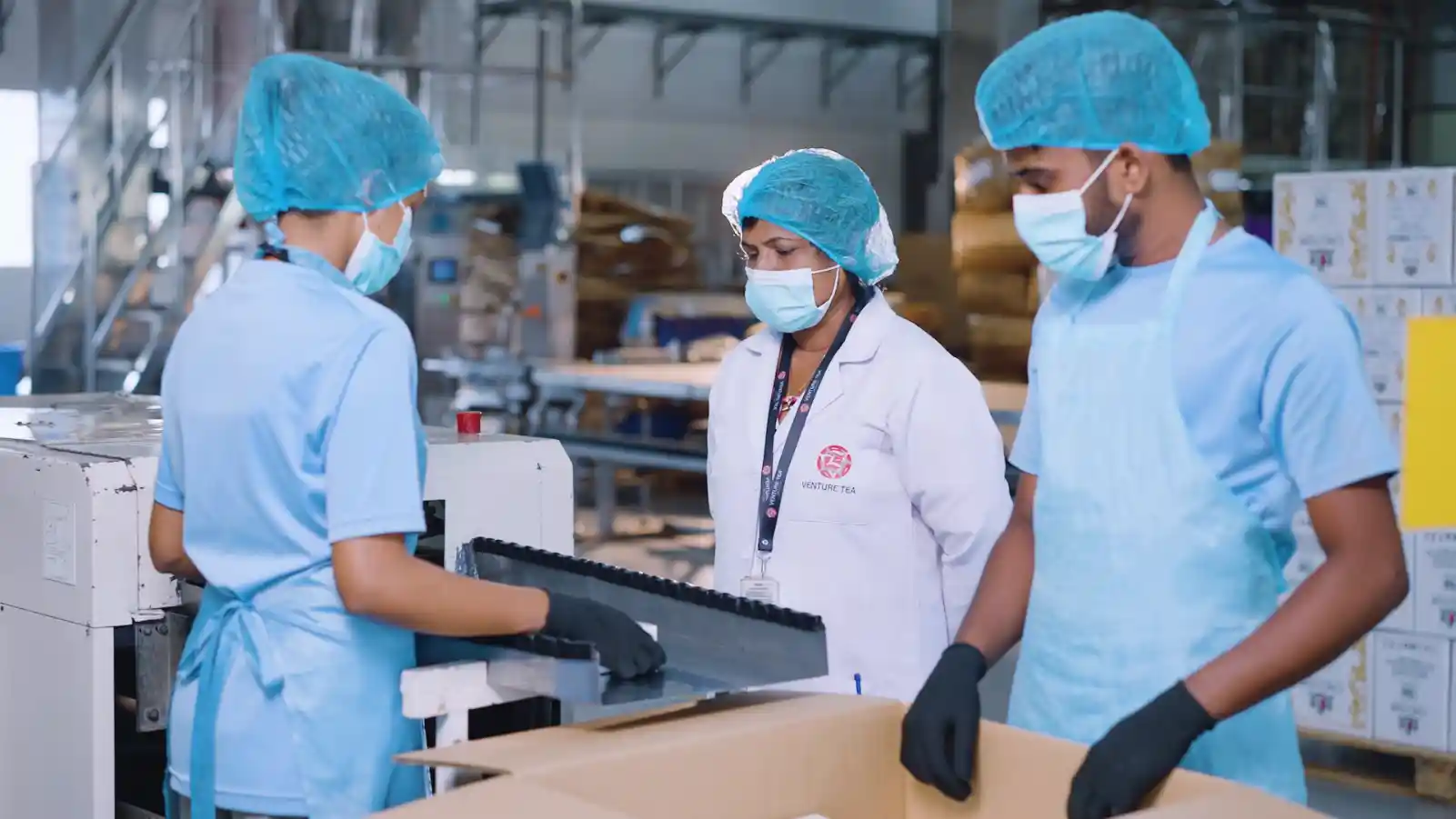
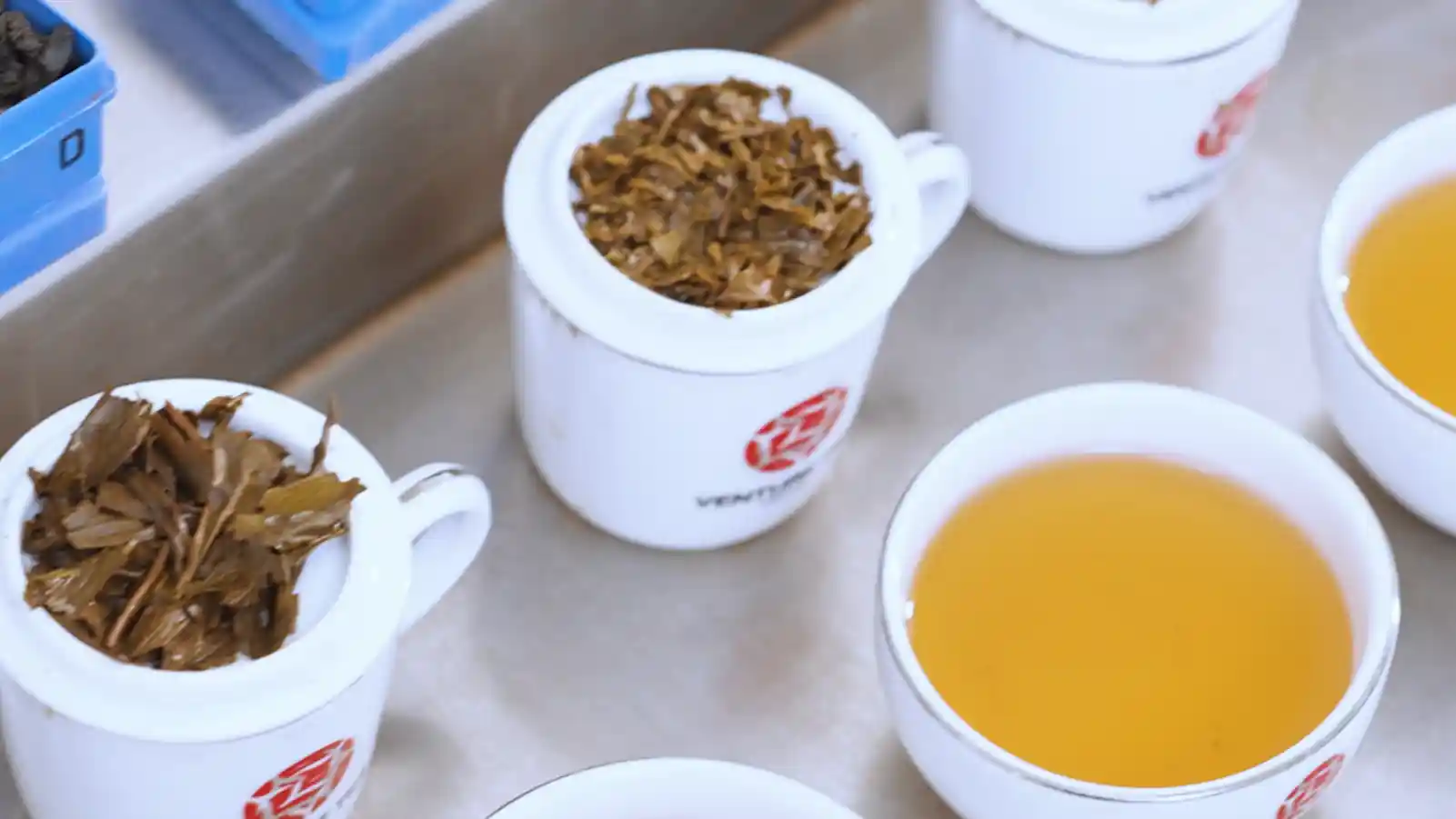
Launching a tea brand does not necessarily require building your own tea factory, sourcing every ingredient independently or managing the entire manufacturing process yourself. Private label tea manufacturing allows businesses to create branded tea products while working with an experienced tea manufacturer to handle production and packing.
For brands looking to source from Sri Lanka, Venture Tea provides a route from tea selection and blending to finished, branded tea products prepared for their target market.
Whether you are launching your first tea range, expanding an existing product portfolio or looking for a new manufacturing partner, understanding how private label tea manufacturing works can help you determine whether it is the right model for your business.
What Is Private Label Tea Manufacturing?
Private label tea manufacturing is a business arrangement where a tea manufacturer produces a tea product that is sold under another company’s brand.
The manufacturer handles the relevant production processes, while the brand owner sells and markets the finished product under its own name.
Depending on the project, private label tea manufacturing can involve:
- Tea selection
- Tea blending
- Product development
- Ingredient selection
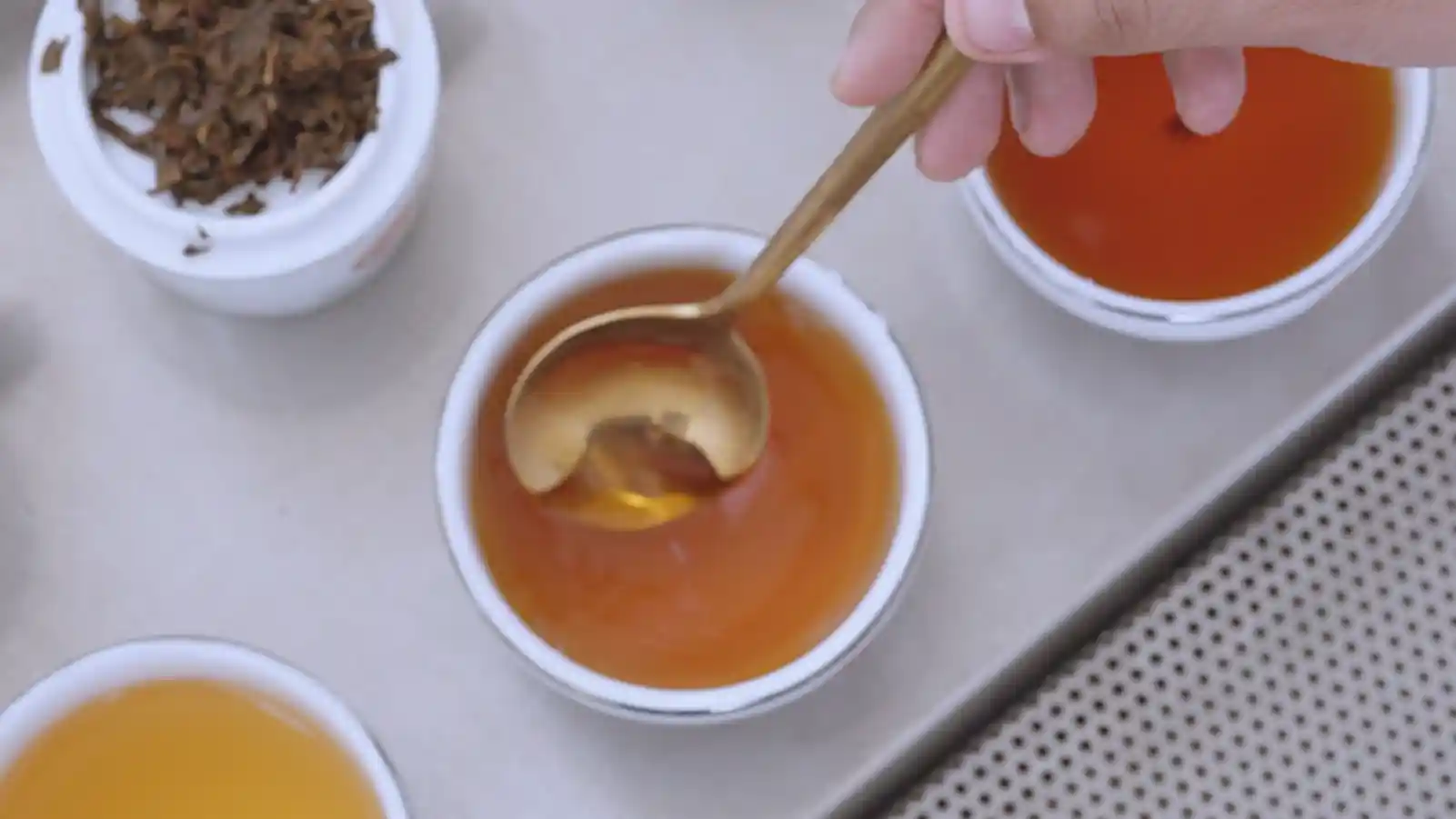
- Quality control
- Tea bag or loose-leaf production
- Retail packaging
- Custom branding
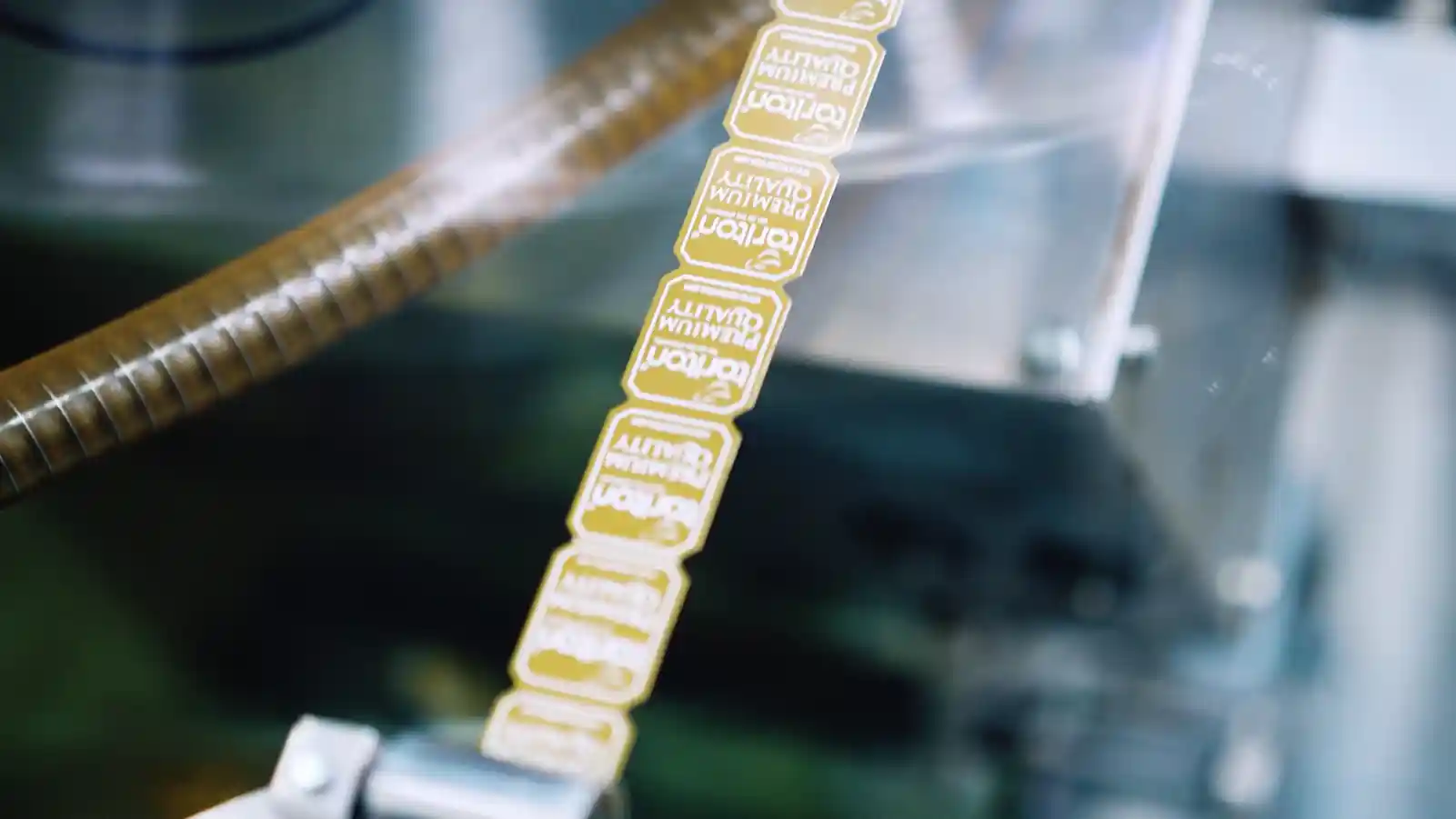
- Labelling
- Bulk production
- Export preparation
The level of customisation depends on the manufacturer’s capabilities and the buyer’s requirements.
Why Choose Private Label Tea Manufacturing?
Building a tea manufacturing operation from the ground up requires significant investment in equipment, facilities, personnel, quality systems, sourcing and production management.
Private label manufacturing allows a business to use an established manufacturer’s infrastructure instead.
This means the brand can focus more heavily on:
- Brand development
- Product positioning
- Marketing
- Sales
- Distribution
- Customer relationships
The manufacturer focuses on producing the tea according to the agreed requirements.
For many businesses, this provides a more practical route into the tea market.
Why Manufacture Private Label Tea in Sri Lanka?
Sri Lanka is internationally recognised for Ceylon Tea and has an established tea industry supporting cultivation, processing, blending, packing and export.
For a brand, manufacturing in Sri Lanka can provide access to:
- Ceylon Tea
- Tea manufacturing expertise
- Tea blending capabilities
- Established tea supply chains
- Retail and bulk packaging
- International export infrastructure
This makes Sri Lanka an attractive sourcing location for brands looking to develop tea products for international markets.
How Does Venture Tea’s Private Label Process Work?
The exact process depends on the product, but a private label tea project can generally follow a series of stages.
1. Define Your Tea Product
The first step is identifying what you want to sell.
This could be:
- Ceylon black tea
- English Breakfast
- Green tea
- Flavoured tea
- Herbal tea
- Wellness tea
- Detox tea
- A speciality blend
- A custom tea blend
The product should be considered alongside the target customer, market and intended price positioning.
2. Select or Develop the Tea
Once the product concept is established, the appropriate tea or blend can be selected.
For a standard product, an existing blend may be suitable.
For a more differentiated product, the manufacturer may work with the buyer to develop a specific blend according to requirements for flavour, strength, aroma, ingredients and other characteristics.
3. Establish the Product Specification
Before production, the product requirements need to be clearly established.
This can include:
- Tea type
- Blend
- Ingredients
- Product format
- Tea bag specification
- Pack size
- Packaging
- Labelling
- Quantity
- Quality requirements
A clear product specification helps ensure that production remains consistent between orders.
4. Choose the Packaging
Packaging is a major part of a private label tea product because it represents the brand directly to the customer.
Depending on the product, options can include:
- Tea boxes
- Pouches
- Tins
- Sachets
- Tea bag cartons
- Loose-leaf packs
- Bulk packaging
The appropriate format depends on the target market, product positioning and distribution channel.
5. Apply Your Brand
The tea is then prepared for sale under the buyer’s brand.
This may involve incorporating the brand identity into the packaging, labels and other approved product materials.
The finished product should present a consistent connection between the tea itself and the brand that sells it.
6. Manufacture and Pack the Product
Once the product specifications and packaging requirements are agreed, production can begin.
The manufacturer handles the relevant production, blending and packing processes according to the approved requirements.
Quality checks are important throughout this stage to maintain consistency.
7. Prepare for Delivery or Export
After production and packing, the finished tea can be prepared for delivery.
For international brands, this may include export-related documentation, shipment preparation and coordination with logistics providers.
The exact process depends on the destination market and the agreed supply arrangement.
What Types of Private Label Tea Can Be Produced?
Private label manufacturing is not limited to traditional black tea.
Depending on the manufacturing capabilities and product requirements, brands can develop products such as:
Private Label Ceylon Black Tea
A classic option for brands wanting to build a tea range around Sri Lankan tea.
Private Label English Breakfast Tea
A familiar black tea style suitable for everyday retail and hospitality markets.
Private Label Green Tea
A lighter tea option for brands targeting consumers interested in green tea products.
Private Label Herbal Tea
Herbal blends can combine suitable herbs, flowers, fruits and spices to create distinctive products.
Private Label Wellness Tea
Wellness-focused blends can be developed around appropriate tea and botanical ingredients for the intended market.
Private Label Detox Tea
Detox tea products can be formulated using suitable tea and botanical ingredients, with the final formulation and claims aligned with destination-market requirements.
Private Label Flavoured Tea
Flavoured teas allow brands to create products with distinctive taste profiles using suitable flavouring ingredients.
Can Private Label Tea Be Customised?
Yes, depending on the manufacturer’s capabilities and the scope of the project.
Private label does not necessarily mean choosing a completely standard product.
A buyer may be able to specify requirements relating to:
Tea
The type and grade of tea used.
Blend
The proportions and combination of tea components or ingredients.
Flavour
The desired flavour profile and sensory characteristics.
Format
Tea bags, loose leaf or another product format.
Packaging
The pack size, packaging type and presentation.
Branding
The visual identity and brand information used on the finished product.
The greater the level of customisation, the more closely the project begins to resemble an OEM manufacturing arrangement.
Private Label vs White Label Tea
These two terms are often used interchangeably, but there is an important distinction.
Private label tea generally involves producing a product for a specific brand, with the buyer potentially having greater input into the product, blend, packaging or specifications.
White label tea generally involves selecting an existing product that is then branded and packaged for the buyer.
White label can therefore be a simpler route to market, while private label can provide greater opportunity to build a product around a particular brand.
The exact definitions and level of customisation can vary between manufacturers, so buyers should confirm the available options before starting a project.
Private Label vs OEM Tea Manufacturing
OEM manufacturing is typically more specification-driven.
With an OEM project, the buyer may provide detailed requirements for the product, and the manufacturer produces it according to those specifications.
For example, an OEM tea project could specify:
- A particular blend
- Specific ingredients
- Defined product characteristics
- Tea bag format
- Packaging specifications
- Labelling requirements
Private label can be broader, covering both customised and established products sold under the buyer’s brand.
Can Venture Tea Supply Private Label Tea Wholesale?
Private label manufacturing can be structured around commercial production quantities.
For distributors, retailers and larger brands, this may involve producing significant quantities for ongoing supply.
Before starting production, buyers should establish:
- Minimum order quantities
- Production capacity
- Lead times
- Packaging requirements
- Pricing
- Repeat-order requirements
- Delivery arrangements
This is particularly important for brands planning to distribute through multiple retailers or international markets.
Can Private Label Tea Be Exported from Sri Lanka?
Yes. Finished private label tea products manufactured in Sri Lanka can be prepared for international markets, subject to the relevant destination-market requirements.
For an overseas buyer, it is important to consider export documentation, product labelling, packaging and shipping requirements as part of the manufacturing project.
A manufacturer with experience working with international buyers can help make the process more straightforward.
Who Uses Private Label Tea Manufacturing?
Private label manufacturing can be suitable for a wide range of businesses.
Tea Brands
Existing tea companies can expand their product range without establishing additional manufacturing facilities.
New Brands
Entrepreneurs can launch a tea brand using an established manufacturer’s production capabilities.
Retailers
Retail businesses can develop tea products under their own store or private brands.
Distributors
Distributors can create branded products for specific markets and customer groups.
Hospitality Businesses
Hotels, restaurants and other hospitality businesses can develop branded tea products for their customers.
International Importers
Importers can source finished tea products from Sri Lanka and distribute them under their own brand in their target markets.
What Should You Ask a Private Label Tea Manufacturer?
Before choosing a manufacturing partner, ask practical questions rather than focusing only on the product price.
Can you manufacture the tea I want?
Confirm that the manufacturer can produce your chosen tea type, blend and format.
Can I customise the blend?
If product differentiation is important, establish how much control you have over the blend and formulation.
What packaging formats are available?
Packaging needs to match your product, brand and target market.
What is the minimum order quantity?
MOQ can significantly affect the economics of launching a new product.
Can you support repeat orders?
A manufacturer should be able to discuss production capacity and ongoing supply.
Can you export the finished product?
If you are an overseas buyer, confirm export capabilities and documentation requirements.
Can you manufacture according to my specifications?
If you require a highly customised product, establish whether private label or OEM manufacturing is the more appropriate model.
Why Work with Venture Tea?
Venture Tea provides tea manufacturing and supply solutions from Sri Lanka for businesses developing branded tea products.
Depending on the project, Venture Tea can support requirements involving:
- Ceylon Tea
- Black tea
- Green tea
- Herbal tea
- Wellness tea
- Detox tea
- Flavoured tea
- Tea blending
- Private label tea
- White label tea
- OEM manufacturing
- Wholesale supply
- Retail packaging
- International export
The objective is to create a manufacturing solution that matches the buyer’s product and business requirements.
For a new brand, that may mean a straightforward private label product. For an established business, it may mean developing a customised blend and packaging solution with ongoing wholesale supply.
Frequently Asked Questions
What is private label tea manufacturing?
Private label tea manufacturing is when a tea manufacturer produces and packs tea for sale under another company’s brand.
Can I create my own tea blend?
Depending on the manufacturer’s capabilities, you may be able to develop a custom blend according to requirements for flavour, strength, ingredients and other product characteristics.
Can I manufacture herbal tea under my own brand?
Yes. Private label manufacturing can be used for herbal, wellness and other speciality tea products, subject to the manufacturer’s capabilities and applicable market requirements.
What is the difference between private label and white label tea?
Private label generally allows more involvement in creating a product for a specific brand, while white label typically uses an existing product that is branded for the buyer.
Is private label tea suitable for a new business?
It can be. Private label manufacturing allows a new business to use established manufacturing infrastructure rather than building its own production facility.
Can I order private label tea wholesale?
Yes. Private label tea can be manufactured in commercial quantities for retailers, distributors, brands and other businesses, subject to minimum order and production requirements.
Can Venture Tea manufacture private label tea for international markets?
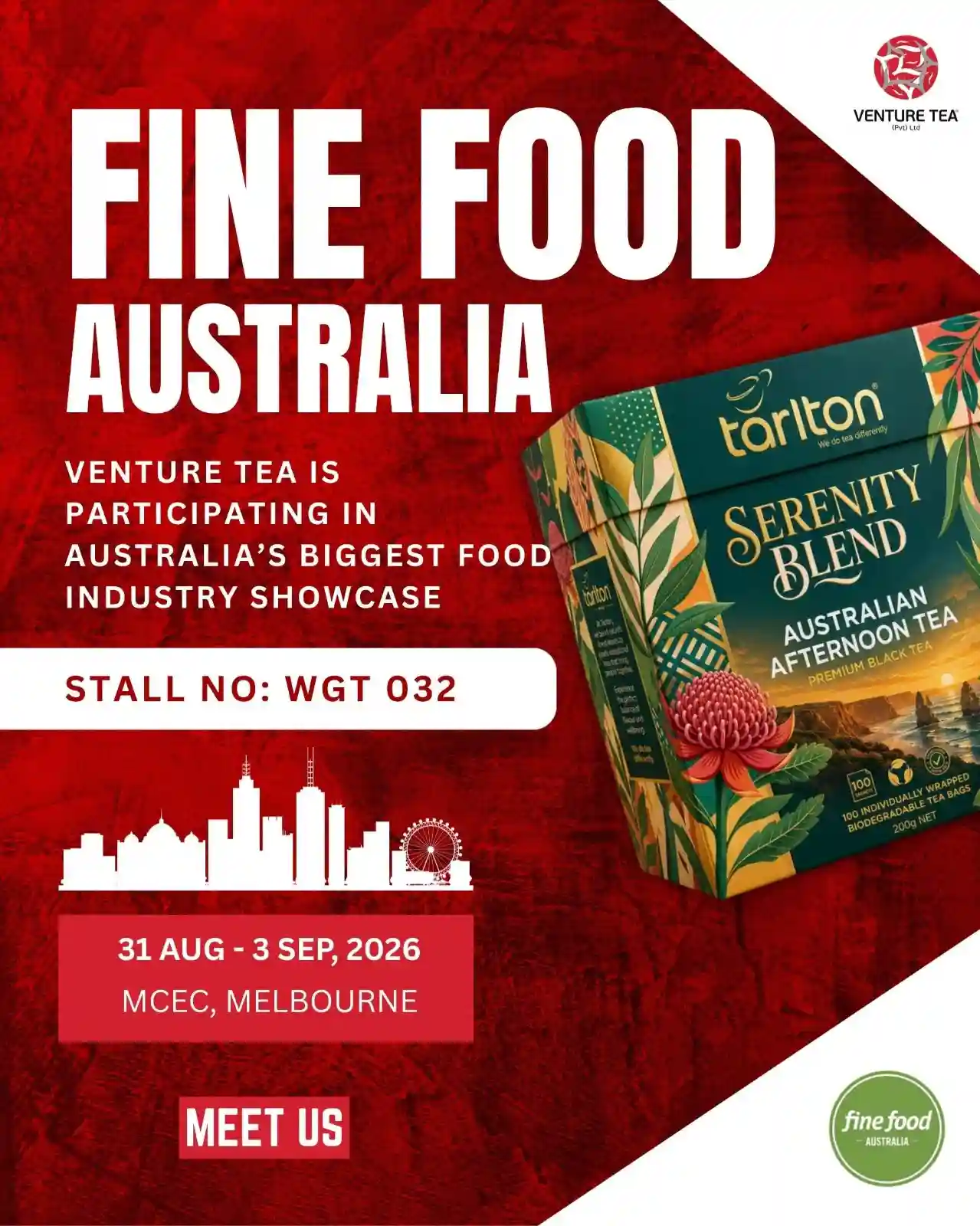
Venture Tea supports tea manufacturing and supply for businesses sourcing products from Sri Lanka, including branded tea products intended for international markets.
Build Your Tea Brand Without Building a Factory
Private label tea manufacturing gives businesses a practical way to develop and sell branded tea products without taking on the investment and complexity of operating their own manufacturing facility.
For brands sourcing from Sri Lanka, the combination of Ceylon Tea, tea manufacturing expertise, blending, packaging and export capabilities can create a strong foundation for building an international tea range.
If your requirement is more customised, the next step may be OEM tea manufacturing. If you want an existing product with your branding, white label tea may be more appropriate. If you need tea in commercial quantities without a consumer-facing brand, wholesale tea supply may be the better solution.
The right manufacturing model ultimately depends on one question:
What do you need your tea manufacturer to do for your business?