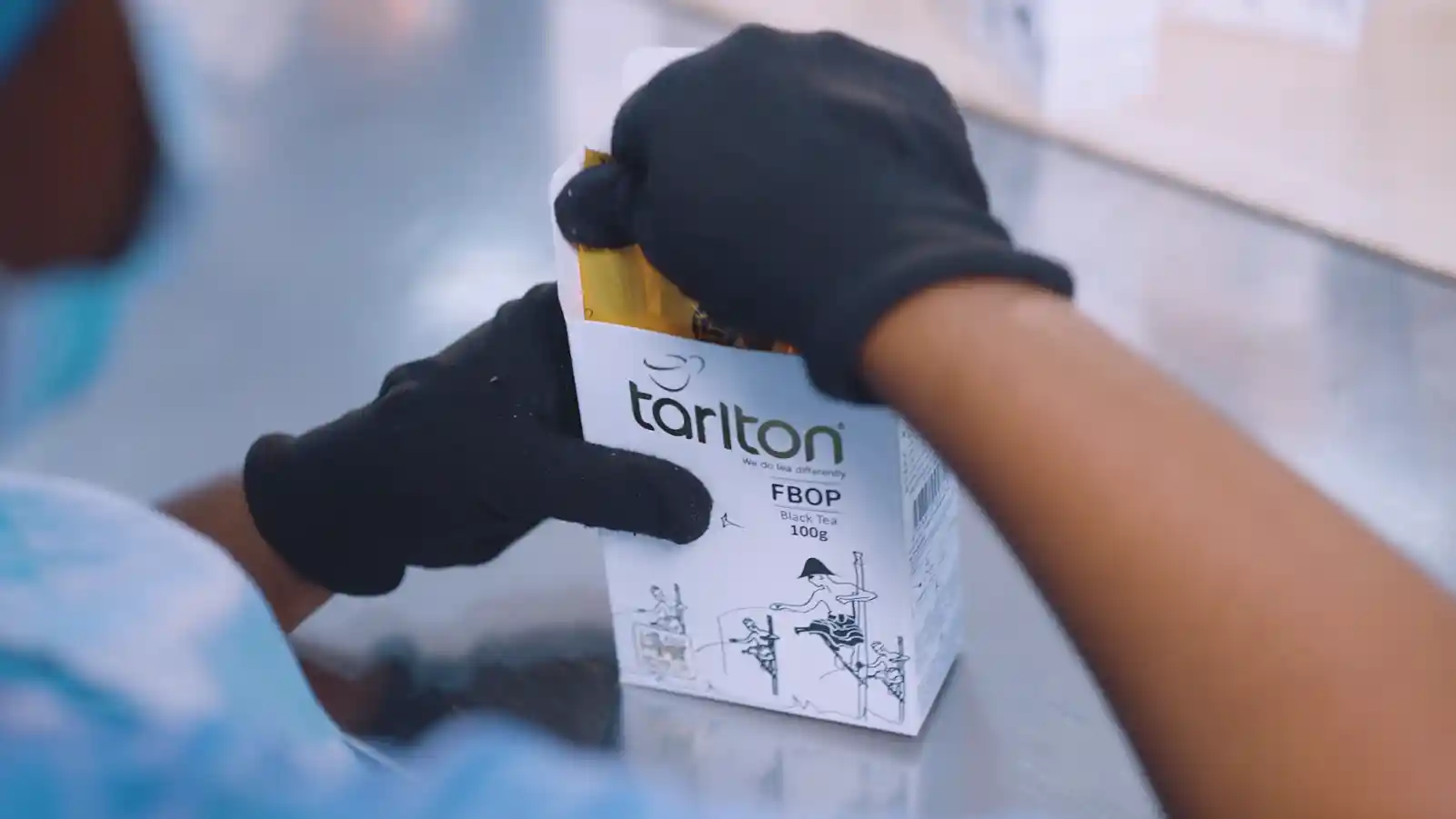
Launching a tea brand can seem complicated when you consider tea sourcing, manufacturing, packaging, labelling, quality control and international supply. White label tea manufacturing simplifies this process by allowing a business to select an existing tea product and sell it under its own brand.
Instead of developing a tea product entirely from scratch, you work with an established tea manufacturer that already has suitable products, production capabilities and supply infrastructure.
For businesses in the United States, Europe and Australia, this can be an efficient way to enter the tea market or expand an existing product portfolio.
Venture Tea helps businesses explore white label tea manufacturing from Sri Lanka, providing access to Ceylon tea, established tea products, manufacturing, packaging and export support.
What Is White Label Tea Manufacturing?
White label tea manufacturing involves producing an existing tea product for another company to sell under its own brand.
The tea itself has already been developed by the manufacturer. Rather than commissioning a completely new formulation, the customer selects an available product that fits its requirements.
The manufacturer then prepares the product for the customer’s brand, including the appropriate packaging and labelling arrangements.
In simple terms:
The manufacturer provides the tea product. Your company provides the brand.
This makes white label particularly useful for businesses that want to launch a tea range without investing in extensive product development.
How Does White Label Tea Manufacturing Work?
The process can vary between manufacturers, but a typical white label project follows several stages.
1. Define Your Tea Brand Requirements
The first step is understanding what you want to sell.
You may already have a clear product idea, such as:
Ceylon black tea
English Breakfast tea
Earl Grey
Green tea
Herbal tea
Wellness tea
Fruit or botanical infusions
Tea bags
Loose-leaf tea
You should also consider your target market, intended retail positioning, pack size and approximate order quantities.
For example, a specialty tea retailer in Australia may be looking for premium Ceylon black tea in retail-ready boxes, while a US wellness brand may be interested in herbal or botanical tea products.
The requirements will be different, so defining the intended market early is important.
2. Select an Existing Tea Product
Once the requirements are established, the next step is selecting a suitable existing tea product.
This is one of the biggest differences between white label and private label manufacturing.
With white label, you are generally choosing from products that the manufacturer already produces.
This allows you to move faster because the manufacturer does not need to develop a completely new formulation.
Venture Tea can help businesses explore suitable tea products based on factors such as tea type, flavour profile, positioning and intended application.
3. Review the Tea and Product Specifications
Before proceeding to production, the business and manufacturer need to agree on the relevant product specifications.
These can include:
Tea type
Blend composition
Ingredients
Tea grade
Product format
Pack size
Packaging format
Quantity
Quality requirements
Labelling requirements
For international brands, it is particularly important to establish the requirements of the destination market.
A product being prepared for the US market may have different commercial and regulatory considerations from one intended for Europe or Australia.
4. Decide on Your Packaging
Once the tea product has been selected, the next major consideration is packaging.
Depending on the product, packaging options may include:
Tea bags
Cartons
Pouches
Sachets
Tins
Loose-leaf packs
Other retail formats
Packaging is not simply about appearance.
It protects the tea, communicates product information and creates the physical presentation customers associate with your brand.
For an international tea brand, packaging should therefore be considered alongside the product, target customer and market requirements.
5. Apply Your Brand Identity
This is where an existing tea product becomes your branded tea product.
The brand owner can provide its branding requirements, which may include:
Logo
Brand name
Product name
Packaging artwork
Brand colours
Product descriptions
Marketing information
The final packaging presents the tea under the customer’s brand rather than as a Venture Tea consumer product.
This allows businesses to build their own identity while using an established tea manufacturing operation behind the product.
6. Confirm the Commercial Order
Before manufacturing begins, the commercial details need to be agreed.
This can include:
Minimum order quantity
Product specifications
Packaging specifications
Pricing
Production schedule
Shipping requirements
Documentation
Payment arrangements
Minimum quantities can vary depending on the product, packaging and manufacturing requirements.
A good manufacturing partner should make these requirements clear before the customer commits to production.
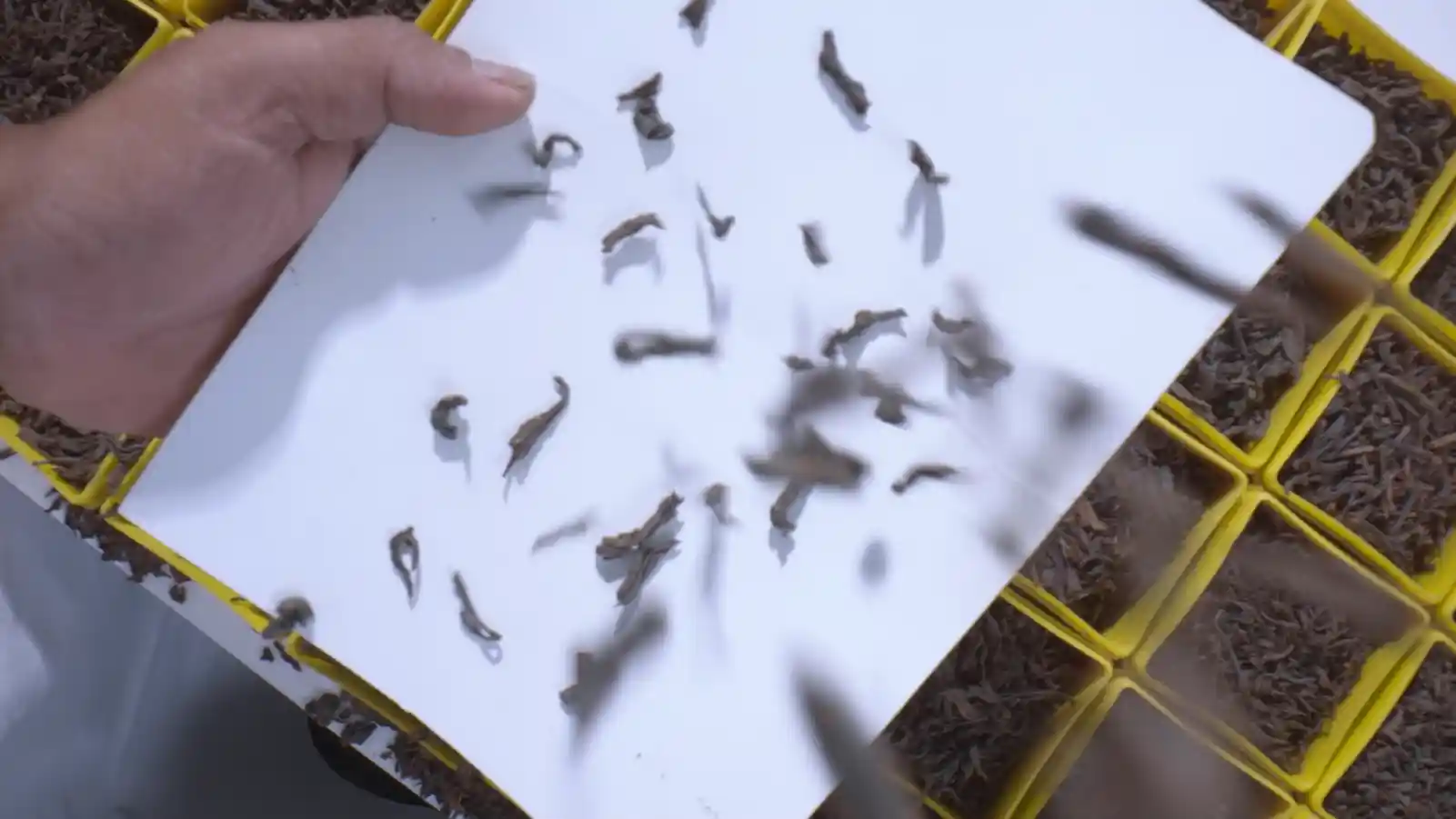
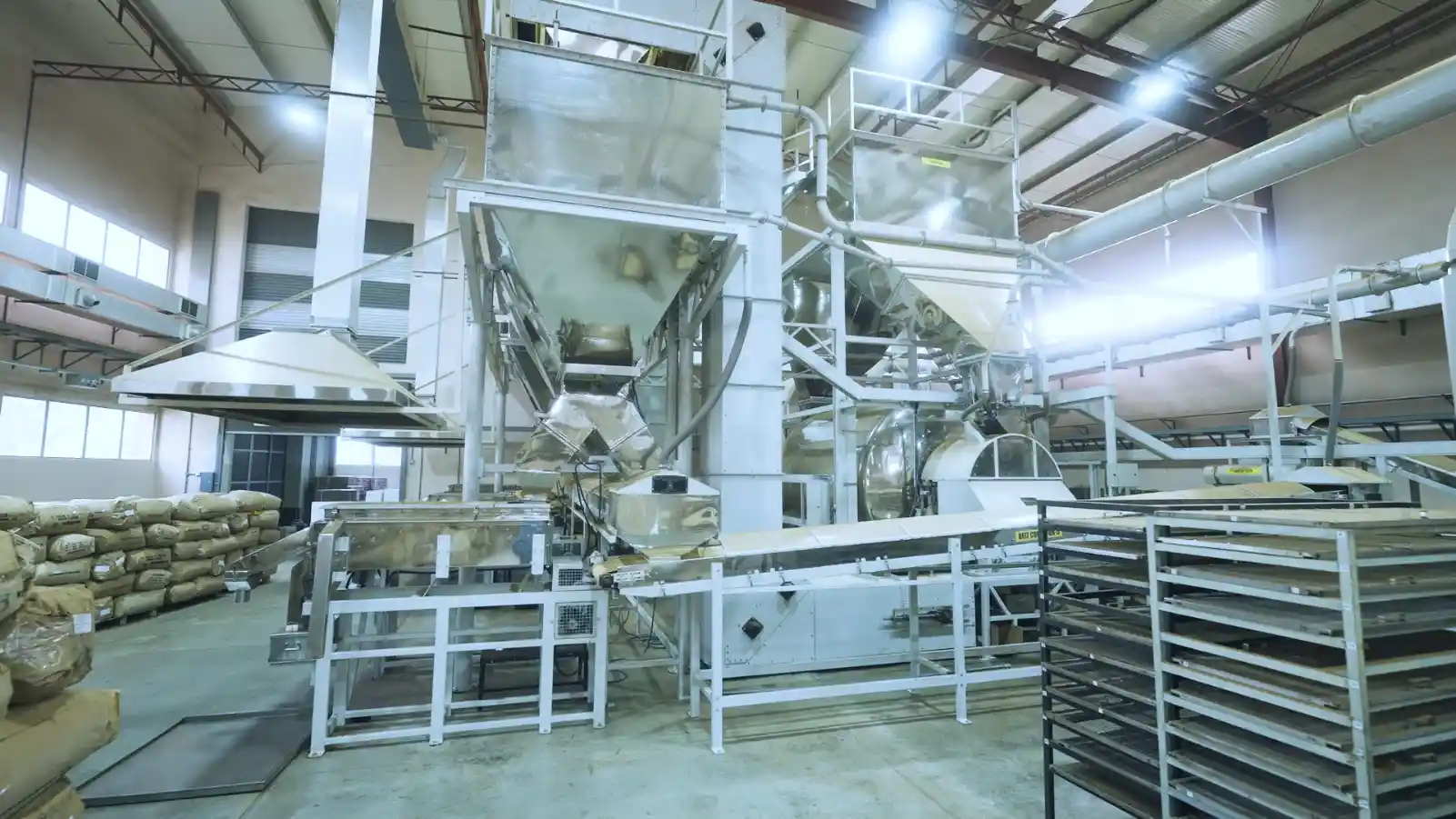
7. Manufacture the Tea Product
Once the specifications and commercial requirements are confirmed, the tea can proceed through production.
Because the white label product is already established, manufacturing can generally follow the manufacturer’s existing production process rather than requiring a completely new product development cycle.
Quality control remains an important part of the process.
The objective is to ensure that the tea supplied to your brand remains consistent with the agreed product specifications.
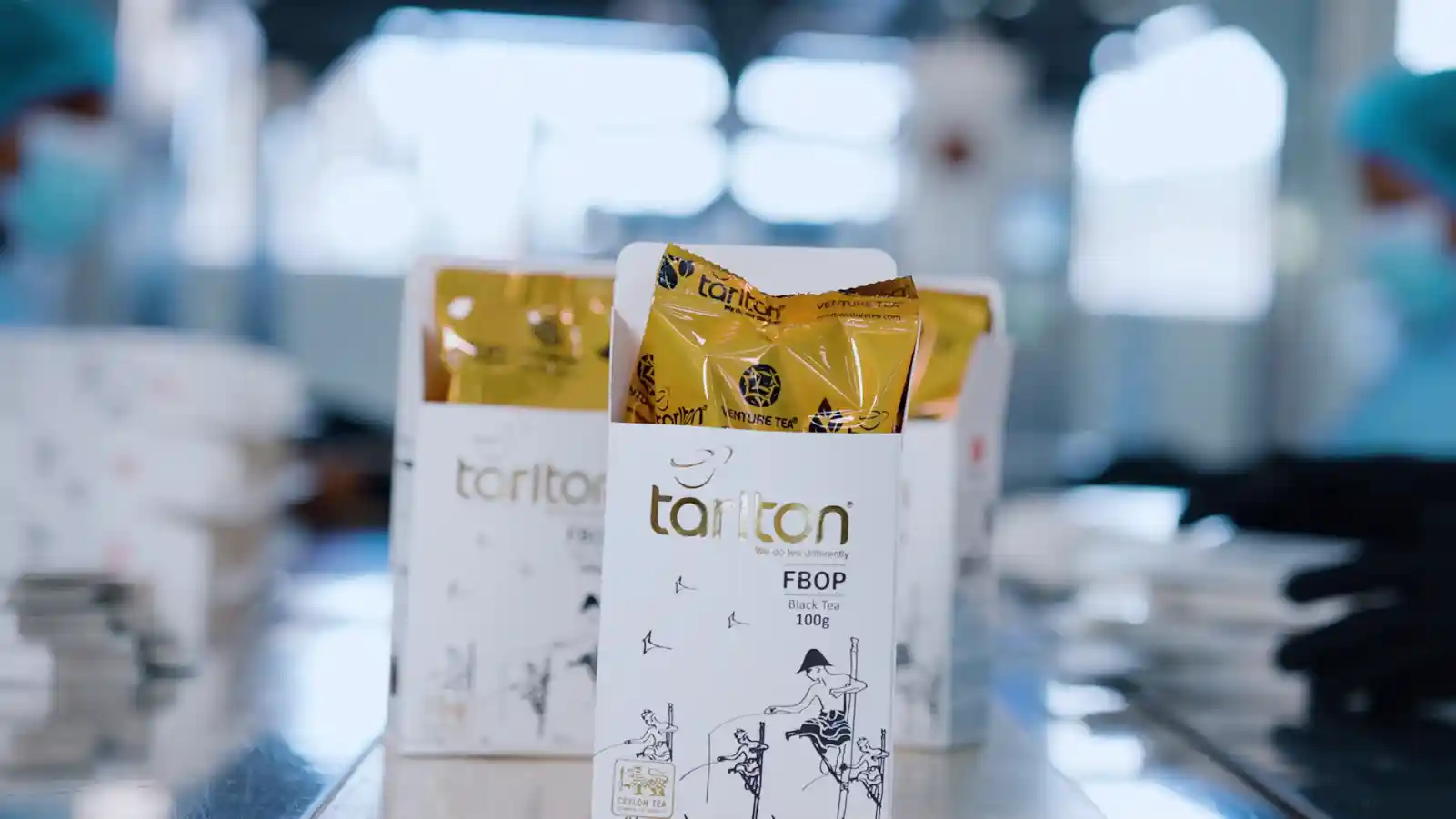
8. Package the Finished Tea
After manufacturing, the tea is prepared in the agreed packaging format.
For a retail product, this may involve packing the tea into branded cartons, pouches, tins or other formats.
For tea bags, it may include the tea bag format, individual wrapping and outer retail packaging depending on the product.
The final result is a finished product that can be prepared for commercial distribution under your brand.
9. Prepare the Product for Your Market
International tea brands need to consider the destination market before placing products into commercial distribution.
For businesses selling in the United States, European markets or Australia, considerations can include:
Ingredient declarations
Food labelling
Packaging information
Import requirements
Product documentation
Traceability
Country-specific requirements
The exact requirements depend on the product and destination country.
The brand owner should therefore confirm the applicable requirements for the market where the finished product will be sold.
10. Export from Sri Lanka
Once the tea is manufactured and prepared for shipment, the next stage is international supply.
For international customers, Venture Tea can support the export process from Sri Lanka.
This gives businesses in markets such as the US, Europe and Australia a direct route to sourcing Ceylon tea products from Sri Lanka.
The practical shipping arrangement will depend on the order, destination, shipping method and agreed commercial terms.
11. Receive Your Finished Branded Tea
At the end of the process, your business receives a finished tea product carrying your own brand.
You can then distribute it through your chosen channels, which may include:
E-commerce
Retail stores
Supermarkets
Specialty tea shops
Hospitality
Cafés
Restaurants
Corporate gifting
Wholesale distribution
This is the fundamental advantage of white label manufacturing.
You focus on building and selling the brand while the manufacturing partner handles the tea production.
White Label Tea Manufacturing for US Brands
For US companies, white label tea can be an effective way to test a new tea category or expand an existing beverage portfolio.
A business might launch:
Premium Ceylon black tea
English Breakfast tea
Green tea
Herbal tea
Wellness-focused tea
Specialty tea bags
Loose-leaf tea
The important consideration is choosing a product and packaging solution appropriate for the intended US market.
Venture Tea can help US businesses explore tea products manufactured in Sri Lanka and supplied for their own brands.
White Label Tea Manufacturing for European Brands
European brands may be looking for premium tea products that combine quality, attractive packaging and reliable international supply.
White label manufacturing can provide a relatively straightforward route to creating branded products without establishing a manufacturing facility.
However, European businesses should consider the specific requirements of the country or countries where their products will be sold.
A manufacturer experienced in international tea supply can help establish the product specifications and documentation required for the project.
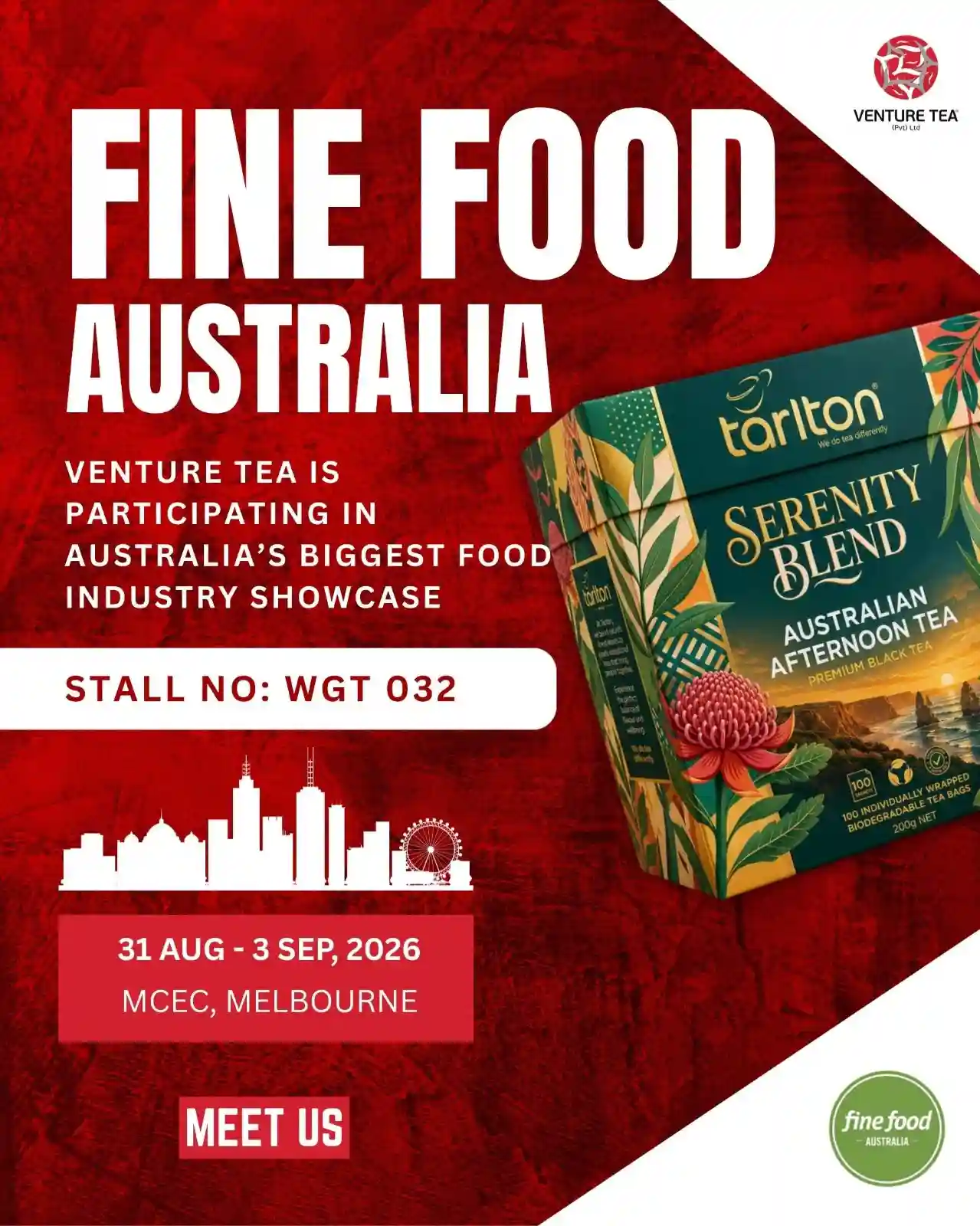
White Label Tea Manufacturing for Australian Brands
Australian businesses can also use white label tea manufacturing to create branded products for retail, hospitality, e-commerce and other channels.
Ceylon tea can be particularly attractive for brands looking to position their products around Sri Lankan tea origin and established tea-growing heritage.
Venture Tea can help Australian companies explore suitable tea products, packaging and international supply arrangements.
White Label vs Private Label Manufacturing
White label is generally based on an existing product.
Private label can involve a higher degree of product development specifically for the customer’s brand.
For example:
White Label:
Select an existing Ceylon black tea → apply your branding → package → sell.
Private Label:
Develop a tea blend around your requirements → manufacture specifically for your brand → package → sell.
Neither approach is automatically better.
The right choice depends on your budget, timeline, desired differentiation, product requirements and long-term brand strategy.
What If Your Brand Needs More Customisation?
White label is ideal when an existing tea product meets your needs.
But perhaps you want:
A unique tea blend
Specific ingredients
A particular flavour profile
A proprietary formulation
Custom tea bag specifications
Special packaging
A particular tea grade
A product developed exclusively for your brand
In that case, private label or OEM tea manufacturing may be more appropriate.
This is where having a manufacturing partner with broader capabilities becomes valuable.
You can start with white label products and potentially move toward a more customised manufacturing relationship as your business grows.
How Venture Tea Can Manufacture for Your Brand
Venture Tea can support businesses at different stages of their tea product journey.
If you are simply looking for an existing tea product to brand, white label may be the most practical solution.
If you need a more customised product, Venture Tea can explore private label and OEM manufacturing options.
This creates a flexible pathway:
Existing Tea Product → White Label → Branded Product
or:
Tea Concept → Private Label/OEM Development → Custom Product → Your Brand
The appropriate route depends on what your company is trying to achieve.
Why Work with Venture Tea?
Choosing the right manufacturer is one of the most important decisions when launching a tea brand.
Venture Tea provides international businesses with access to Sri Lankan tea manufacturing and supply capabilities, allowing brands to explore:
Ceylon tea sourcing
Tea manufacturing
Tea blending
White label tea
Private label tea
OEM tea manufacturing
Tea packaging
Wholesale supply
International export
Rather than simply purchasing bulk tea, businesses can develop a relationship with a partner capable of supporting multiple stages of their tea supply chain.
For companies in the United States, Europe and Australia, this can provide a practical route to sourcing and developing branded tea products directly from Sri Lanka.
From Ready-Made Tea to Your Brand
White label tea manufacturing does not mean simply buying an anonymous tea product and putting a sticker on it.
A professional white label project involves selecting the right product, establishing specifications, choosing packaging, preparing appropriate branding, manufacturing consistently and arranging supply to the target market.
The manufacturer handles the production side.
Your business builds the brand, marketing and customer relationship.
That division of responsibilities makes white label tea particularly attractive for businesses that want to enter the tea market without building their own manufacturing infrastructure.
Start Your White Label Tea Project with Venture Tea
If you already have a tea brand, Venture Tea can help you explore additional products for your portfolio.
If you are starting a new brand, Venture Tea can help you investigate existing tea products that could be developed into your first branded range.
And if your requirements eventually move beyond standard white label products, Venture Tea can also explore private label and OEM manufacturing options.
From selecting the tea to manufacturing, packaging and international supply, the objective is to provide your company with a practical route from ready-made tea to a finished product carrying your brand.
Venture Tea works with international businesses seeking white label, private label and OEM tea manufacturing solutions from Sri Lanka.
If your company is looking to launch or expand a tea range in the United States, Europe or Australia, Venture Tea can help you explore the product, packaging, manufacturing and supply options that fit your business.