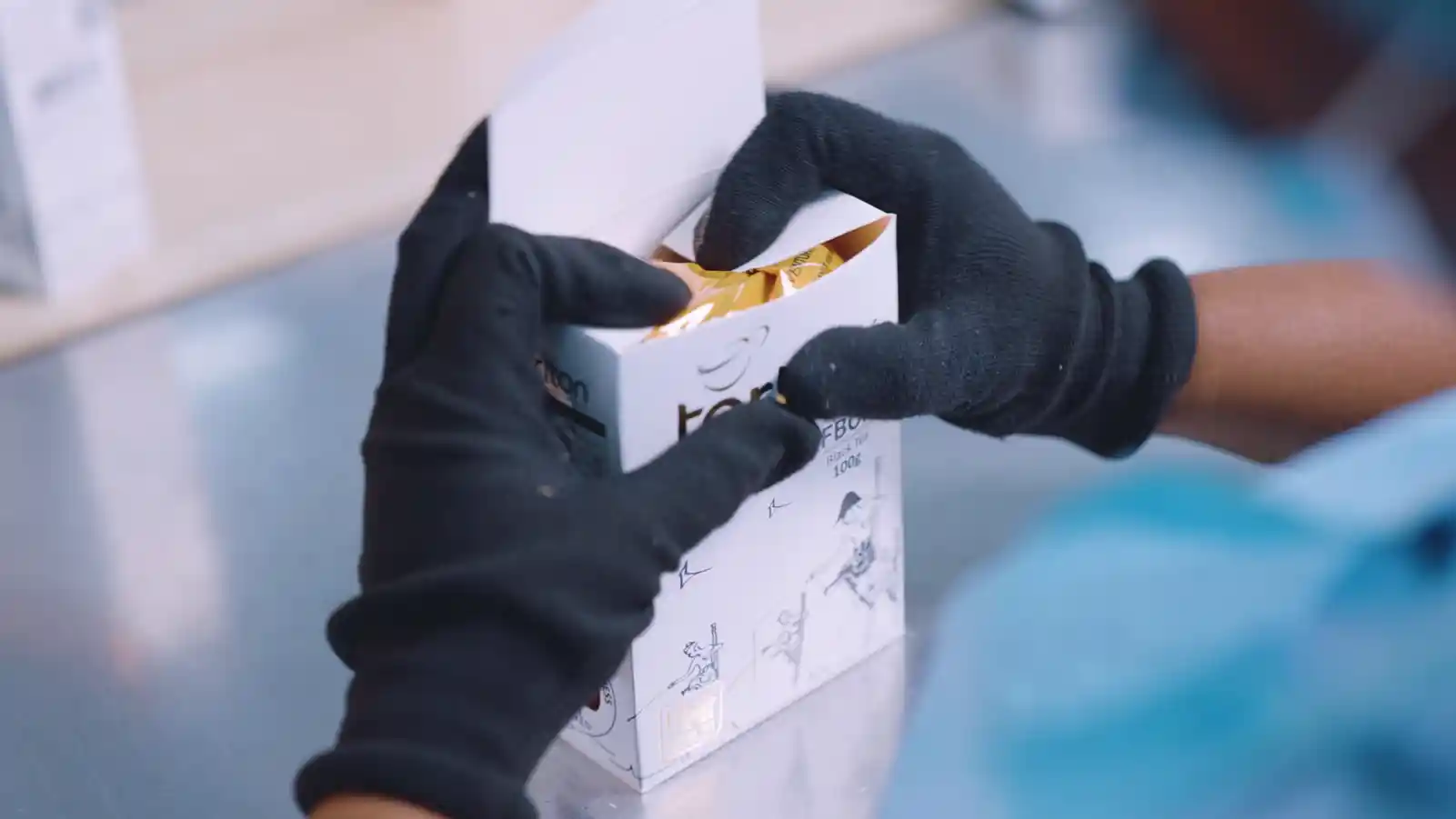
Launching a tea brand can look complicated from the outside.
You need to find the right tea, develop a product, create packaging, establish manufacturing, arrange supply and eventually get the finished product into your target market.
But you do not necessarily need to build all of this yourself.
White label tea allows businesses to start with an existing tea product, put their own brand around it and launch a finished product without operating their own tea manufacturing facility.
For entrepreneurs and established companies targeting the United States, Europe and Australia, this can provide a practical route into the tea market.
Venture Tea helps international businesses develop and manufacture branded tea products in Sri Lanka through white label, private label and OEM manufacturing, while also supporting wholesale supply, packaging and export.
The process can be much simpler when you work with a manufacturer that can handle multiple stages of the supply chain.
What Is White Label Tea?
White label tea is an existing tea product manufactured by a tea company that another business can sell under its own brand.
The manufacturer already has the underlying tea product.
Your business develops the customer-facing identity around it.
This can include:
- Brand name
- Logo
- Product name
- Packaging
- Pack size
- Retail presentation
- Marketing
- Distribution
The basic model is:
Existing tea product → Your branding → Your packaging → Your finished tea product
This makes white label particularly useful for companies that want to launch a tea brand without developing every product from scratch.
Why Start a Tea Brand with White Label?
The biggest advantage is that you do not need to begin by solving every manufacturing problem yourself.
A new tea business can focus on:
- Finding customers
- Building its brand
- Developing its website
- Creating marketing campaigns
- Establishing retail relationships
- Selling the product
The manufacturer handles the tea production side.
This can reduce the complexity involved in launching your first product.
It can also allow you to test the market before investing in highly customised tea formulations.
Step 1: Define What Your Tea Brand Will Stand For
Before contacting a manufacturer, determine what your brand is actually trying to sell.
Are you creating:
- A premium Ceylon tea brand?
- An everyday tea brand?
- A wellness-focused brand?
- A herbal tea company?
- A specialty tea business?
- A luxury gifting range?
- A hospitality tea brand?
- An e-commerce tea business?
Your positioning will influence the tea products, packaging and pricing you choose.
For example, a premium European tea brand may need a very different product presentation from an Australian everyday tea brand.
A US wellness company may be more interested in herbal and botanical products.
The manufacturing process should begin with the business strategy, not simply the tea.
Step 2: Identify Your Target Market
Your target market matters because the product needs to be appropriate for the country where it will be sold.
For this type of international tea business, three major markets can be particularly relevant:
United States
Europe
Australia
Each market has its own food, packaging, labelling and import requirements.
If you plan to sell internationally, tell the manufacturer where the product will be sold from the beginning.
This allows product and packaging requirements to be considered before production.
Step 3: Choose the Type of Tea
Once your brand positioning is clear, choose the tea category.
Potential white label products can include:
Ceylon Black Tea
A natural choice for brands that want to build their identity around Sri Lankan tea.
English Breakfast
A familiar category suitable for everyday and premium tea ranges.
Earl Grey
A classic flavoured tea that can work well for specialty and premium brands.
Green Tea
Suitable for brands looking to expand beyond traditional black tea.
Herbal Tea
Useful for wellness, lifestyle and specialty tea brands.
Wellness Tea
Products designed around lifestyle and wellness occasions, subject to appropriate market requirements and claims.
Tea Blends
Existing blends can provide opportunities for brands that want distinctive flavour profiles without developing a completely new formulation.
Step 4: Decide Between Tea Bags and Loose Leaf
Your product format is another important decision.
Tea Bags
Tea bags are convenient and familiar to consumers.
They can work well for:
- Supermarkets
- E-commerce
- Hospitality
- Everyday tea
- Wellness products
- Corporate gifting
Loose Leaf Tea
Loose-leaf products can provide a more premium or specialty positioning.
They may be particularly appropriate for:
- Specialty tea retailers
- Premium brands
- Tea enthusiasts
- Gourmet products
- Luxury gifting
The right format depends on your target customer and pricing strategy.
Step 5: Select the White Label Product
Once you know what you want to sell, the manufacturer can help identify an existing product that fits your requirements.
You should consider:
- Tea type
- Quality
- Flavour
- Aroma
- Origin
- Product format
- Packaging options
- Commercial price
- Target retail price
The goal is not simply to find the cheapest tea.
The product needs to make sense for your brand.
A premium brand built around Ceylon tea, for example, needs a product that supports its premium positioning.
Step 6: Understand What Can Be Customised
White label does not mean that everything about the tea can be changed.
Generally, the existing tea product remains the foundation.
Your business can potentially customise:
- Brand name
- Logo
- Packaging
- Product name
- Pack size
- Retail presentation
If you want to change the actual tea blend, formulation or ingredients, you may need private label manufacturing instead.
If you have detailed manufacturing specifications, OEM manufacturing may be more appropriate.
This distinction should be established early.
Step 7: Develop Your Brand Identity
Now you can begin turning the tea product into a brand.
Your identity can include:
- Company name
- Logo
- Typography
- Packaging style
- Product naming
- Photography
- Brand story
- Product descriptions
Your tea may come from an established manufacturer, but the customer’s relationship is with your brand.
That makes branding extremely important.
Step 8: Create the Packaging
Packaging is one of the most visible parts of the white label process.
Potential packaging formats include:
- Tea boxes
- Pouches
- Tins
- Cartons
- Individual tea bag envelopes
- Loose-leaf packs
- Gift packaging
Your packaging should match the positioning of the product.
For example:
Premium tea → premium packaging
Everyday tea → practical packaging
Wellness brand → clean, lifestyle-oriented presentation
Luxury gifting → premium presentation and materials
The packaging should also contain the information required for the target market.
Step 9: Develop the Product Artwork
Once the packaging format has been selected, artwork can be prepared.
This can include:
- Logo placement
- Product name
- Tea description
- Ingredients
- Net quantity
- Brewing instructions
- Brand information
- Required regulatory information
- Barcode and other commercial information where applicable
For international products, packaging should be reviewed carefully before manufacturing begins.
Changing packaging after production can be expensive.
Step 10: Confirm the Tea Product Specifications
Before production, make sure everyone agrees on exactly what is being manufactured.
This can include:
- Tea type
- Tea grade or specification
- Ingredients
- Tea bag format
- Pack size
- Number of tea bags
- Packaging
- Artwork
- Order quantity
- Destination market
A clear product specification reduces misunderstandings later.
Step 11: Confirm the Minimum Order Quantity
Your manufacturer may have a minimum order quantity.
The MOQ can depend on:
- Tea product
- Packaging
- Printing
- Production setup
- Customisation
- Product format
A new brand should consider its expected sales carefully before committing to large inventory.
You need enough stock to support your launch, but not so much that your cash is unnecessarily tied up in unsold products.
Step 12: Manufacture Your Tea
Once the product specifications and packaging have been approved, manufacturing can begin.
This is where working with an established tea manufacturer becomes valuable.
Your company does not need to operate:
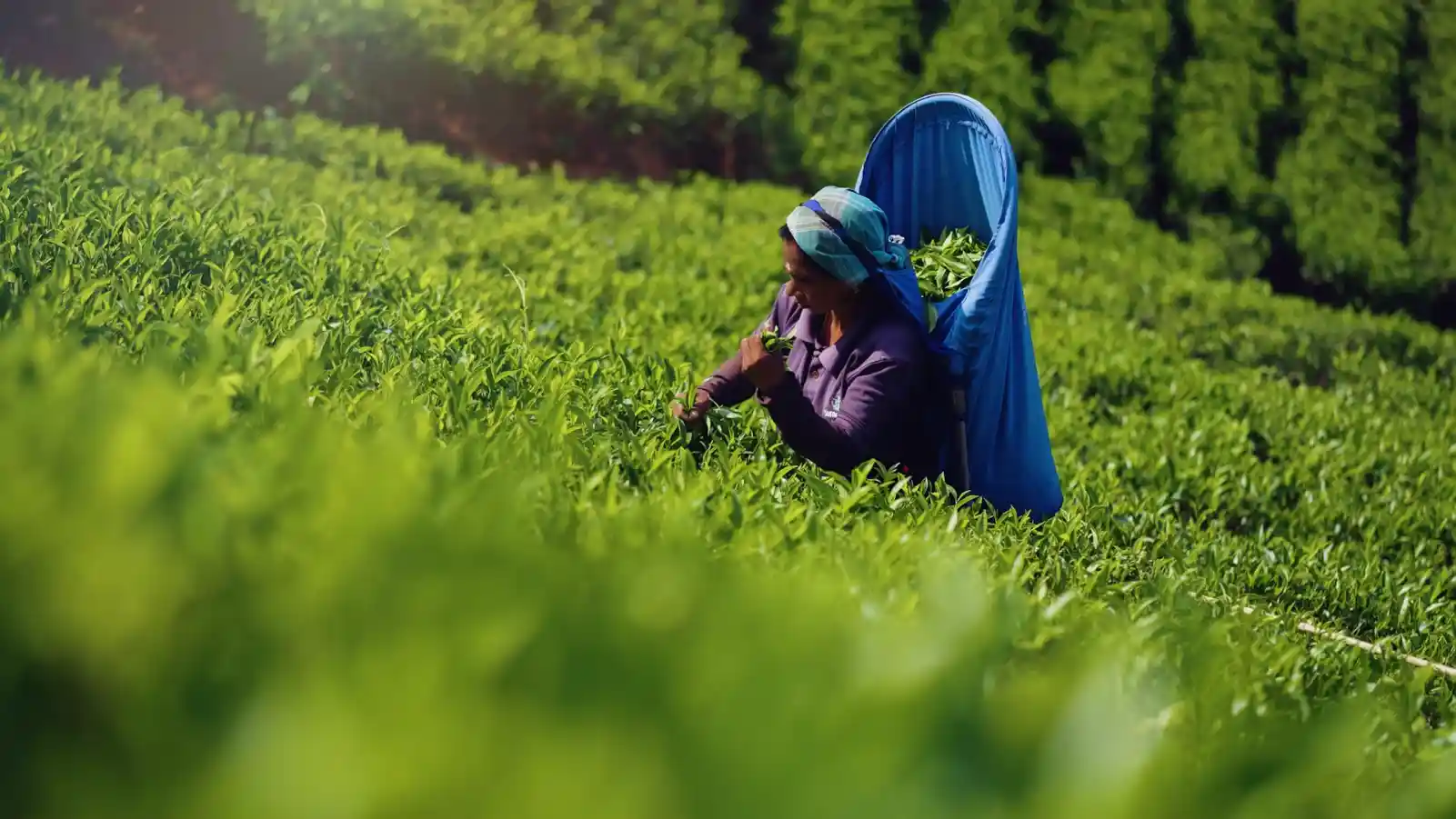
- Tea processing equipment
- Tea blending equipment
- Tea bag machinery
- Packaging machinery
- Manufacturing facilities
The manufacturer manages the production process according to the agreed specifications.
Your company remains focused on building the brand and selling the finished product.
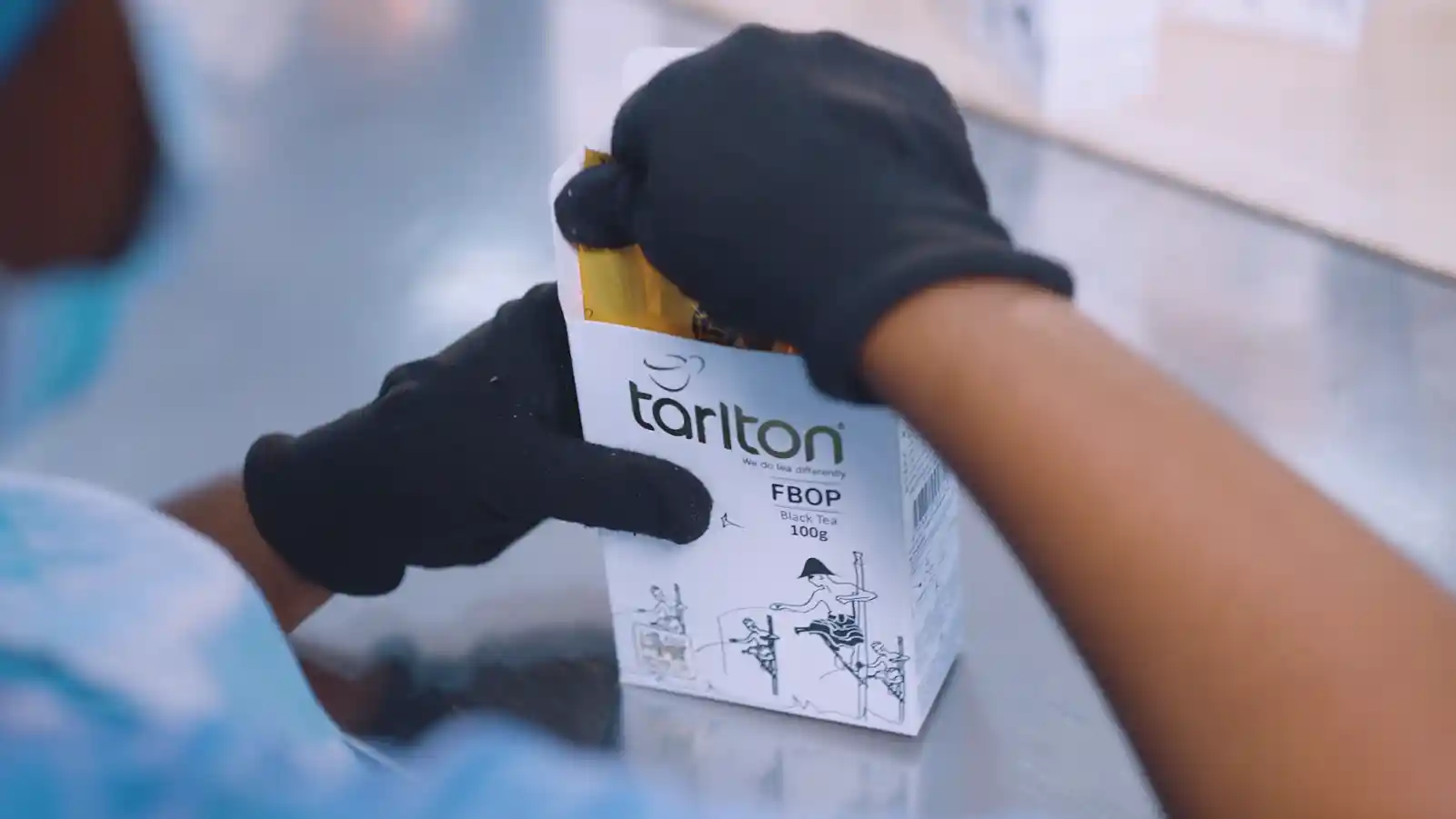
Step 13: Package the Finished Tea
After manufacturing, the tea is prepared in its final retail presentation.
Depending on your product, this can involve:
Tea → Tea bags → Individual packaging → Retail box
or:
Loose-leaf tea → Inner packaging → Retail pouch or box
The exact process depends on the product and packaging specification.
The objective is a finished product that is ready for your distribution channels.
Step 14: Prepare the Product for Your Market
Before selling the tea, ensure that the finished product meets the applicable requirements of your destination market.
This is particularly important for international brands.
United States
Review applicable requirements relating to food products, ingredients, labelling, packaging and importation.
Europe
Review the requirements applicable to the specific European markets where the product will be sold.
Australia
Review applicable Australian requirements for food products, ingredients, labelling and importation.
The manufacturer can provide product information and manufacturing documentation, but the brand owner also needs to ensure that its finished product and marketing comply with the requirements of the markets in which it operates.
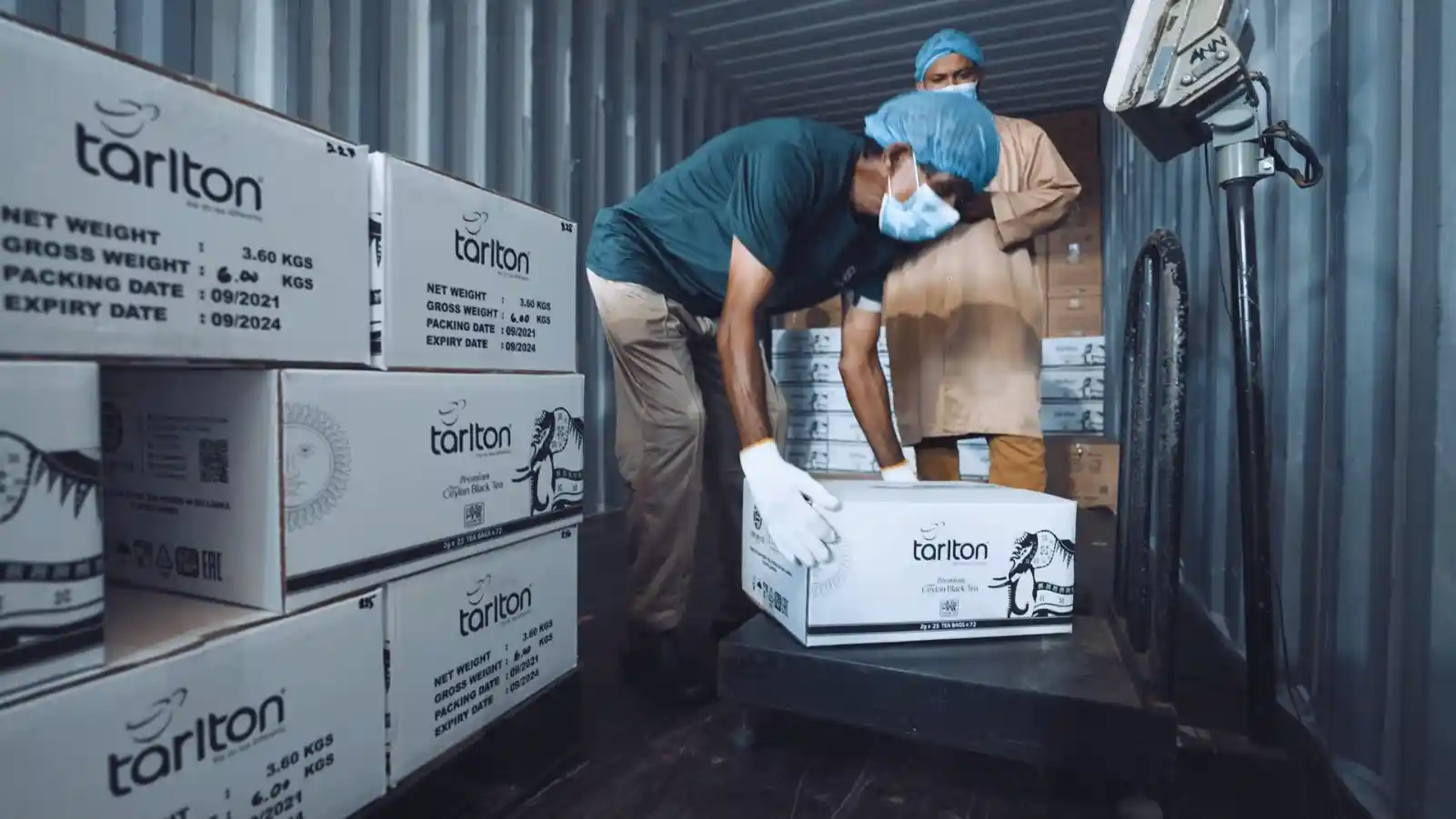
Step 15: Arrange International Export
If your tea is manufactured in Sri Lanka and your business is located in the US, Europe or Australia, the finished product needs to be exported.
This introduces another important consideration when choosing a manufacturing partner.
Ideally, your tea manufacturer should understand international supply rather than simply manufacturing tea.
Venture Tea can support businesses looking at:
- Tea manufacturing
- Packaging
- Wholesale supply
- Export from Sri Lanka
- International tea distribution
This can simplify the supply chain.
Step 16: Launch Your Tea Brand
Once the finished products are ready, your business can launch through its chosen channels.
These could include:
- Your own website
- E-commerce platforms
- Supermarkets
- Specialty retailers
- Cafés
- Hotels
- Restaurants
- Distributors
- Corporate gifting
At this point, the manufacturer’s role becomes part of your larger business operation.
Your success depends on your ability to market, distribute and sell the product.
White Label Tea Is Not the Same as Private Label
This distinction should remain clear throughout your project.
White Label
You select an existing tea product.
Best for:
Launching quickly and simplifying product development.
Private Label
The product is developed more specifically around your requirements.
Best for:
Brands that want more product differentiation.
OEM
The manufacturer produces according to detailed specifications.
Best for:
Businesses with specific formulations, product requirements or manufacturing specifications.
A smart tea business can potentially use all three at different stages.
A Practical Growth Path for a New Tea Brand
Your tea brand does not need to begin with a highly complex product.
A sensible progression could be:
Stage 1 — White Label
Select an existing tea product.
Stage 2 — Brand Development
Create your identity and packaging.
Stage 3 — Market Launch
Sell the product and measure demand.
Stage 4 — Product Expansion
Add additional white label products.
Stage 5 — Private Label
Develop unique blends based on customer demand.
Stage 6 — OEM
Move into highly specific manufacturing requirements where commercially justified.
This allows your investment in product development to grow alongside your business.
How Venture Tea Can Serve Your Brand
Venture Tea can support your tea business at multiple stages.
If you want to start with an existing product:
White Label Tea
If you want a more customised tea:
Private Label Tea
If you have detailed specifications:
OEM Tea Manufacturing
If you need commercial quantities:
Wholesale Tea Supply
If you need your products transported internationally:
Tea Export
This means your business can potentially work with one manufacturing partner rather than having to find a new company every time your requirements change.
Why Venture Tea for International Tea Brands?
For businesses in the United States, Europe and Australia, Venture Tea provides access to Sri Lankan tea manufacturing and supply.
The relationship can cover:
Tea Selection
↓
Manufacturing
↓
Blending
↓
Tea Bag Production
↓
Packaging
↓
Branding
↓
Wholesale Supply
↓
Export
This can be particularly useful for businesses that do not already have a tea supply network in Sri Lanka.
Building a Brand Around Ceylon Tea
For businesses looking for a distinctive origin story, Ceylon tea provides a strong foundation.
A brand can develop products around Sri Lankan tea while creating its own identity for its target market.
For example:
A US company can create a premium Ceylon tea brand for American consumers.
An Australian company can build a specialty tea range around Sri Lankan origin.
A European company can create a premium Ceylon tea collection for specialty retail.
The tea’s origin becomes part of the product story, while the brand creates its own market positioning.
What If Your First Product Becomes Successful?
This is where choosing your manufacturer carefully becomes important.
Imagine you launch a white label Ceylon tea.
The product performs well.
Customers want more.
You decide to introduce:
- A second black tea
- An Earl Grey
- A green tea
- A herbal tea
- A wellness blend
Then you decide you want one completely unique blend exclusive to your company.
You need a manufacturer capable of supporting all these stages.
This is why Venture Tea’s combination of white label, private label, OEM, wholesale and export capabilities can be valuable to a growing brand.
How to Launch Your Tea Brand with Venture Tea
You do not need to arrive with every technical detail already decided.
Start with a clear commercial brief.
Tell Venture Tea:
Where are you selling?
United States, Europe, Australia or another market.
What do you want to sell?
Black tea, green tea, herbal tea, wellness tea or another category.
What format do you want?
Tea bags, loose leaf or another format.
Do you want an existing product or something customised?
This determines whether white label, private label or OEM is most appropriate.
How much do you expect to purchase?
This helps determine the appropriate commercial and manufacturing approach.
How do you want the finished product presented?
This determines the packaging and branding requirements.
From there, the manufacturing project can be developed around your business.
Your Brand. Your Product. Your Market.
The biggest advantage of white label tea is that you do not have to become a tea manufacturer just because you want to own a tea brand.
You can focus on the parts of the business where your company creates value:
Brand → Marketing → Customers → Sales → Distribution
Your manufacturing partner handles:
Tea → Manufacturing → Packaging → Supply
And for an international brand, the relationship can extend into:
Export → International Delivery
This division of responsibilities can make entering the tea market considerably more manageable.
Start Your Tea Brand with Venture Tea
Launching a tea brand does not have to begin with building a factory or developing a completely new tea formulation.
You can begin with an established white label tea product, develop your own brand and packaging, manufacture the finished product in Sri Lanka and supply it to your target market.
As your business grows, you can move into private label and OEM manufacturing when your product strategy requires greater customisation.
Venture Tea can support international businesses across that journey.
White Label → Start with an existing product.
Private Label → Create a more customised product.
OEM → Manufacture according to your requirements.
Wholesale → Supply your business in commercial quantities.
Exporter → Get the finished product from Sri Lanka to your market.
For companies targeting the United States, Europe and Australia, Venture Tea can help turn a tea brand concept into a commercially manufactured product.
You build the brand.
Venture Tea helps build the tea product behind it.
If you are ready to launch a branded tea range, the process can start with something as simple as telling Venture Tea what you want to sell, where you want to sell it and how you want your brand to look.
From there, the right manufacturing and supply model can be developed around your business.